Most people skip toner. They cleanse, maybe add a serum, then moisturize. Toner feels like an extra step. It feels optional. But that thinking is costing you something real.
A good skin-brightening toner does more than most people realize. It is not just about wiping away leftover cleanser. It preps your skin. It resets the surface. It gets everything else you apply to work better.
This guide breaks down what a toner actually does, what ingredients to look for, and how to use one properly regardless of your skin type.
What a Toner Actually Does
After cleansing, your skin is clean but vulnerable. The pH of your skin sits around 4.5 to 5.5. Most cleansers push it higher. A toner brings it back down. This balance matters because enzymes that keep your skin healthy work best at the right pH.
Beyond pH, a brightening toner targets pigmentation. It works on the top layer of your skin. It removes dead cells that make your complexion look flat and uneven. Over time, regular use reveals fresher skin underneath.
A toner also creates a clean canvas. Any serum or cream you apply afterward works deeper and more efficiently.
Ingredients That Actually Brighten Skin
Not all toners are equal. The ingredients list tells you everything.
Glycolic acid is one of the most trusted brightening ingredients. It is an alpha-hydroxy acid, or AHA. It breaks the bonds between dead skin cells. This allows them to shed naturally. The result is a smoother, more even surface. It also stimulates collagen, which means long-term skin firmness improves too. For beginners, even a low percentage makes a visible difference within weeks.
Alpha-arbutin is another key ingredient. It targets melanin production directly. Melanin is what creates dark spots and uneven tone. Alpha-arbutin slows that process down without harming the surrounding skin. It is gentle enough for sensitive skin. It works well alongside glycolic acid.
Niacinamide, also known as vitamin B3, completes the brightening trio. It reduces redness. It minimizes pore appearance. It also helps regulate oil. Oily and combination skin types benefit especially from this ingredient.
PDRN, which stands for Polydeoxyribonucleotide, is a newer but powerful addition. It is derived from salmon DNA. It activates adenosine receptors in the skin. This boosts collagen synthesis. The skin regains elasticity over time. Think of it as repair work happening at a cellular level.
Ceramides round off a good formula. They seal moisture into the skin. They strengthen the barrier. Without a healthy barrier, even the best brightening ingredients cannot do their job properly.
How to Use a Toner the Right Way
Step one is to always cleanse first. A toner cannot work on a dirty face. Use a gentle cleanser that suits your skin type.
Step two is to apply the toner while your skin is still slightly damp. This helps the ingredients absorb faster.
If the toner comes in a spray bottle, mist it directly onto your face. Pat it in gently with clean fingers. Do not rub. Rubbing irritates and pushes the product off the surface rather than in.
If using a cotton pad, swipe lightly in upward strokes. This also gives a gentle mechanical exfoliation effect.
Wait about 30 seconds. Then apply your serum. Then your moisturizer. This layering order matters. Each layer seals in the one before it.
Use your toner both morning and night. Consistency is what brings results. A single use will not transform your skin. Two weeks of daily use will show a difference.
Is a Skin Brightening Toner Right for All Skin Types?
Yes, if you pick the right formula.
Dry skin needs a toner that hydrates while it brightens. Look for glycerin, xylitol, or aquaporin-based hydration systems. These pull moisture into the skin and hold it there.
Oily skin benefits from glycolic acid and niacinamide together. They clear pores and regulate sebum production without stripping the skin dry.
Combination skin does well with a balanced formula. It should hydrate where dry and control oil where oily. A single good toner can manage both zones.
Sensitive skin should look for formulas that skip artificial dyes and heavy fragrance. Allantoin is a great inclusion for sensitive types because it soothes inflammation.
The idea that toners are only for one skin type is outdated. A well-formulated brightening toner works across the board.
Final Thought
A skin-brightening toner is not a luxury step. It is a practical one. It levels out your skin tone, clears the surface, and makes everything after it work harder. You just need to choose one with the right ingredients and use it every day.
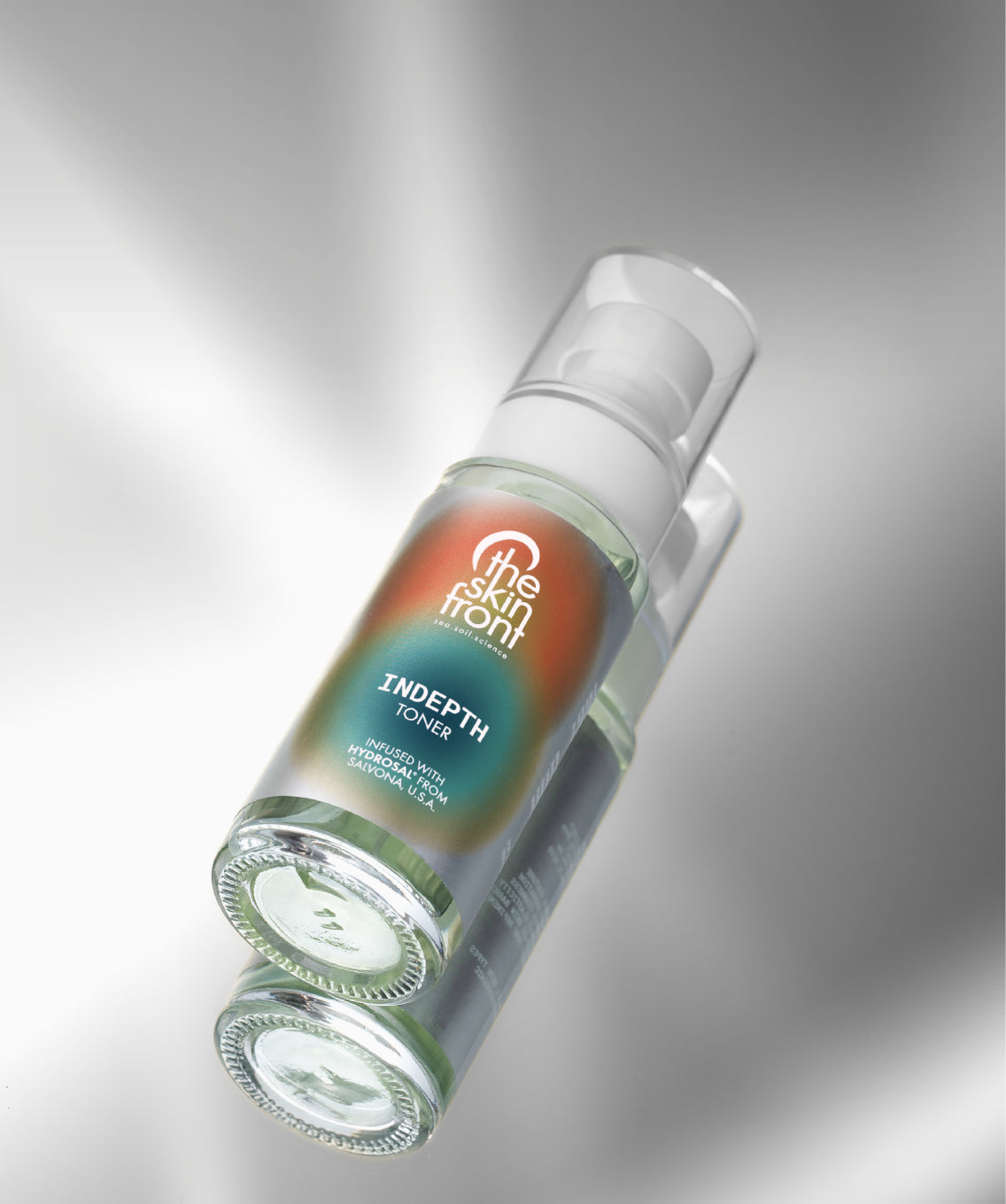
If you are looking for a science-backed option formulated with PDRN, glycolic acid, HydroSal technology, and marine-derived brightening actives, The Skin Front INDEPTH Toner is worth exploring.