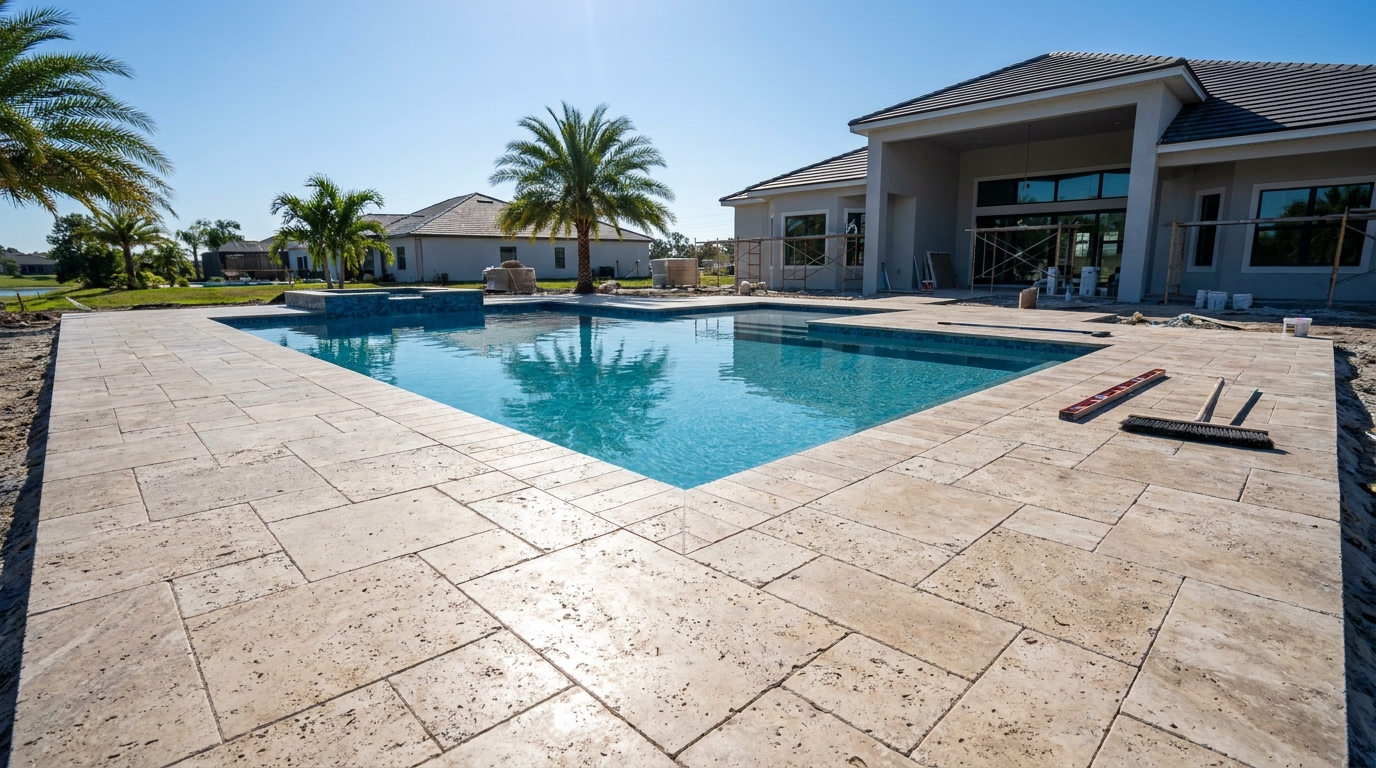
A beautiful pool area can become a favorite place for family memories, but safety should always come first. Slippery surfaces, poor layouts, and damaged materials can create unnecessary risks for children and guests. Choosing the right design and working with experienced Pool deck contractors helps homeowners create a secure outdoor space that supports fun and relaxation. A well-built pool deck combines strong materials, smart planning, and regular care to keep everyone protected.
What Makes a Pool Deck Safe for Kids and Families?
Choosing Slip-Resistant Pool Deck Materials
The surface material plays a major role in preventing accidents around a swimming pool. Wet areas naturally increase the chance of slipping, especially for children who run or play near the water. A safe pool deck should have a textured finish that provides better grip even when the surface is wet.
Concrete, natural stone, pavers, and composite materials can all be suitable choices when they are designed correctly. However, the material alone does not guarantee safety. The finish, installation quality, and maintenance routine all affect how well the surface performs over time.
Homeowners should avoid overly smooth surfaces that become dangerous after rain or pool splashes. Materials with a slightly rough texture offer better footing while still creating an attractive outdoor appearance.
Creating a Smart Pool Deck Layout
A safe pool deck requires more than durable materials. The overall layout should allow children and adults to move comfortably without obstacles or crowded areas. Proper spacing around the pool gives swimmers enough room to enter, exit, and walk safely.
The design should include clear pathways and avoid sharp corners or unnecessary raised sections. Rounded edges, open walking areas, and organized furniture placement can reduce injuries caused by trips or falls.
Good planning also considers visibility. Parents should be able to watch children easily from seating areas or nearby spaces. A well-organized pool deck improves both safety and convenience for everyday family use.
Installing Proper Drainage Systems
Water buildup is one of the most common safety concerns around pools. Standing water creates slippery conditions and can lead to accidents. A quality drainage system helps move excess water away from walking areas and keeps the surface safer.
Proper grading during installation allows water to flow away naturally instead of collecting near the pool edge. Drain channels and carefully planned slopes can also reduce moisture problems that damage materials over time.
A professional contractor understands how drainage affects both safety and durability. This step is essential because even high-quality materials can become hazardous when water does not drain properly.
Adding Safe Pool Deck Features for Children
Small design details can make a major difference in family safety. Features such as secure handrails, well-placed lighting, and comfortable entry points help children and older family members use the pool area with confidence.
Useful safety additions include:
- Slip-resistant steps for easy pool access
- Proper lighting for evening activities
- Protective barriers around unsafe areas
- Durable furniture with stable designs
- Clearly marked shallow and deep pool sections
These features create a more controlled environment and reduce common risks. Safety improvements do not have to affect the appearance of the space. Many modern designs combine protection with attractive outdoor styles.
How Professional Installation Improves Pool Deck Safety
Preventing Construction Mistakes
A pool deck must be installed with accuracy because small mistakes can create long-term problems. Uneven surfaces, weak joints, and incorrect slopes may increase the risk of falls or water damage.
Experienced professionals understand local building requirements and know how different materials react to weather conditions. They can recommend solutions based on the property layout, climate, and expected family use.
Proper installation also improves the lifespan of the pool area. A carefully built deck requires fewer repairs and maintains a safer surface for years.
Selecting Materials Based on Home Needs
Every family has different requirements for their outdoor space. A household with young children may need a softer, more slip-resistant surface, while another homeowner may prioritize low maintenance and durability.
Professionals can help compare options based on budget, appearance, and safety needs. For example, textured concrete may provide strength and customization, while pavers can offer easier repairs because individual sections can be replaced.
The right choice depends on how the pool area will be used. Considering daily activities helps create a safer and more practical design.
Maintaining a Pool Deck for Long-Term Safety
Inspecting the Surface Regularly
Even the best pool deck needs ongoing attention. Weather exposure, temperature changes, and regular use can cause cracks, stains, or surface damage. Regular inspections help identify problems before they become safety hazards.
Homeowners should check for uneven areas, loose materials, slippery buildup, and damaged edges. Quick repairs can prevent accidents and protect the investment made in the outdoor area.
Cleaning is also important. Dirt, algae, and mold can make surfaces slippery, especially in shaded or damp areas. A consistent cleaning schedule helps maintain proper traction.
Repairing Damage Before It Gets Worse
Small issues can quickly become bigger concerns around a swimming pool. A minor crack may expand due to moisture and temperature changes, creating uneven sections that increase fall risks.
Prompt repairs help maintain a stable walking surface. Replacing damaged sections, resealing materials, and correcting drainage problems can restore safety without requiring a complete rebuild.
Regular maintenance also keeps the pool area looking attractive. A clean and properly maintained deck provides a welcoming space for family gatherings and outdoor activities.
Improving Family Safety Around the Pool Area
Teaching Safe Pool Habits
A well-designed pool deck supports safety, but family habits are equally important. Children should learn basic pool rules, such as walking instead of running and staying away from unsafe areas without supervision.
Adults should also establish clear guidelines for pool use. Simple habits, combined with a safe outdoor design, create stronger protection for everyone.
Supervision remains one of the most important safety measures. Even with excellent materials and professional construction, active monitoring helps prevent unexpected situations.
Keeping the Area Organized
A cluttered pool deck can create unnecessary risks. Toys, hoses, chairs, and other items should be stored properly when not in use. Keeping pathways open allows children and guests to move safely.
Furniture placement should also leave enough room around the pool edge. Organized spaces are easier to maintain and reduce the chance of trips or falls.
A clean and structured pool area creates a better experience for families. Safety becomes easier when the environment supports responsible use.
Conclusion
A safe pool deck requires thoughtful planning, reliable materials, proper installation, and regular maintenance. Families can enjoy their outdoor spaces more when the design reduces common risks such as slipping, poor drainage, and uneven surfaces. Professional guidance, smart features, and good safety habits all contribute to a secure pool environment. By focusing on quality construction and ongoing care, homeowners can create a comfortable area where children and adults can spend time together with greater confidence and peace of mind.