Extending a home can be a practical way to create additional living space without the disruption of moving to a new property. For homeowners considering Home Extentions in Great Yarmouth In Norfolk, a well-planned extension can improve how a house looks, feels, and functions. Whether you need a larger kitchen, an extra bedroom, a home office, or a more comfortable family area, extending your existing property can provide a solution tailored to your needs.
Great Yarmouth offers a mixture of traditional homes, modern properties, terraces, semi-detached houses, and larger detached homes. Each property has its own characteristics, so extension projects need careful planning. From understanding the available space to considering planning requirements and selecting suitable materials, every stage can influence the final result.
Why Consider Home Extentions in Great Yarmouth In Norfolk?
One of the main reasons homeowners choose an extension is the need for more space. Families can grow over time, working arrangements can change, or existing rooms may simply no longer meet everyday requirements. Instead of searching for another property, an extension allows homeowners to adapt their current home.
For example, a kitchen extension can create a larger area for cooking, dining, and socialising. A rear extension may provide space for a family room, while a side extension could offer room for an office or additional storage. The right design depends on the property and the lifestyle of the people living there.
Another benefit is that an extension can make better use of underused outdoor or internal space. With thoughtful design, homeowners can create rooms that feel connected to the rest of the property rather than appearing like an addition that does not belong.
Planning Home Extensions in Great Yarmouth
Planning is one of the most important stages of any extension project. Before construction begins, homeowners should understand whether their proposed work requires planning permission, building regulations approval, or other permissions.
The requirements can vary depending on the size and design of the extension, the location of the property, and whether the building is within a conservation area or subject to specific restrictions. Some projects may qualify for permitted development rights, while others may require a formal planning application.
It is important to check the current requirements before making commitments. Professional advice can also help identify potential issues early and reduce the risk of costly changes later in the project.
Designing an Extension That Suits Your Property
A successful extension should work with the existing building. The new structure needs to complement the property’s proportions, roofline, windows, materials, and overall appearance.
For homeowners researching Home Extentions in Great Yarmouth In Norfolk, local property styles can be an important consideration. A modern glass extension may suit certain properties, while a more traditional design may work better with an older or characterful home.
The internal layout is equally important. A well-designed extension should provide practical movement between existing and new rooms. Natural light, ventilation, storage, heating, and electrical requirements should all be considered during the design stage.
Popular Types of Home Extensions
Different types of extensions can serve different purposes. A rear extension is often chosen when homeowners want to enlarge a kitchen, dining area, or family room. Because it generally extends into the rear garden, the available outdoor space needs to be considered carefully.
Side extensions can be useful for properties with additional space alongside the house. They may create an extra bedroom, office, utility room, or larger kitchen area. Depending on the property’s layout, a side extension can also improve circulation between rooms.
Single-storey extensions are often suitable for creating additional ground-floor living space. In contrast, a double-storey extension can provide significantly more floor area, potentially adding bedrooms upstairs while enlarging living areas downstairs.
Creating Energy-Efficient Living Space
Modern homeowners are increasingly interested in energy efficiency when extending their properties. A new extension provides an opportunity to incorporate better insulation, efficient glazing, suitable ventilation, and modern heating solutions.
Good insulation can help maintain comfortable indoor temperatures throughout the year. High-quality windows can also improve natural light while reducing heat loss. The orientation of the extension may influence how much sunlight enters the room, which is another factor worth considering during design.
Energy-efficient improvements can contribute to a more comfortable home and may help manage household energy consumption over time. These features should be considered as part of the overall design rather than added as an afterthought.
Choosing Materials for Your Extension
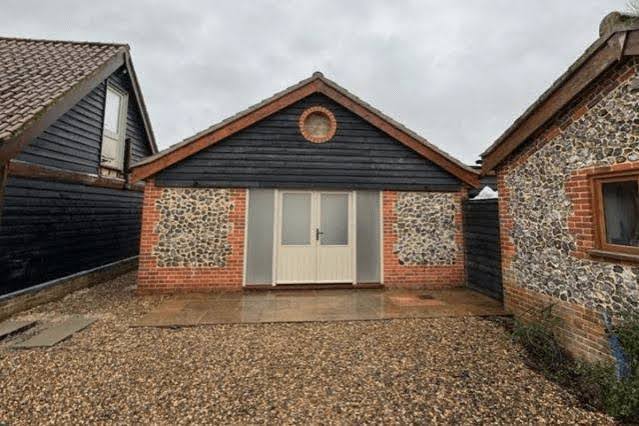
Materials have a major impact on both appearance and durability. Brickwork can be selected to closely match an existing property, while timber, render, stone, or modern cladding can create a different architectural style.
Windows and doors also contribute significantly to the character of an extension. Large glazed doors can connect an indoor space with the garden, while rooflights can bring additional daylight into areas that might otherwise feel dark.
The best materials will depend on the property’s design, budget, maintenance expectations, and local requirements. Choosing durable materials at the planning stage can help ensure the finished extension remains practical for years to come.
Budgeting for Home Extentions in Great Yarmouth In Norfolk
Establishing a realistic budget is essential before construction begins. The total cost can depend on the size of the extension, structural requirements, materials, labour, internal finishes, plumbing, electrical work, heating, windows, doors, and professional services.
It is sensible to allow some financial flexibility because unexpected issues can arise during construction. Older properties, for example, may reveal structural or drainage problems once work begins.
Homeowners should also consider costs associated with architectural drawings, surveys, applications, structural calculations, and building control where applicable. A clear budget helps make design decisions more confidently and reduces the likelihood of major financial surprises.
Working With Experienced Extension Professionals
Choosing the right contractor or building professional can make a significant difference to the project. Experience, communication, workmanship, and attention to detail are important factors to consider.
Before appointing a company, homeowners should look at examples of previous work and ask relevant questions about the proposed project. A clear written quotation should explain what is included and identify areas that may incur additional costs.
Good communication throughout the project is equally important. Homeowners should understand the expected construction stages, approximate timescales, payment arrangements, and how changes will be handled if they become necessary.
How an Extension Can Improve Everyday Living
A carefully planned extension is not simply about adding square footage. It can change how a household uses the entire property. A cramped kitchen can become an open and welcoming space, an unused side area can become a useful office, and a small living area can be transformed into a comfortable family room.
The design should reflect how the household actually lives. For example, a family that regularly entertains guests may benefit from a spacious kitchen-dining area, while someone working from home may prioritise a quiet office with plenty of natural light.
This practical approach can help ensure that the extension remains useful long after construction has finished.
Considering Property Value
A thoughtfully designed extension may also contribute to the appeal of a property. Buyers often look for homes that offer practical layouts, modern facilities, and sufficient living space.
However, adding space does not automatically guarantee a higher property value. The quality of the work, design, location, available garden space, and overall condition of the property can all influence how an extension affects its market appeal.
For this reason, homeowners should focus on creating a space that improves their own quality of life rather than relying solely on potential future returns.
Making the Most of Your Extension Project
The best extension projects begin with a clear understanding of what the homeowner wants to achieve. Before finalising plans, consider how the new room will be used, how it will connect with existing areas, and how much natural light it should receive.
Storage should also be considered early. Built-in cupboards, practical utility areas, and clever furniture arrangements can help prevent the new space from becoming cluttered.
It is also worth thinking about the garden and exterior appearance. An extension should ideally maintain a sensible balance between indoor and outdoor space, particularly on smaller plots.
Conclusion
Home Extentions in Great Yarmouth In Norfolk can provide homeowners with a practical opportunity to improve their properties without moving to a new house. Whether the goal is to create a larger kitchen, an additional bedroom, a home office, or a comfortable family space, careful planning is essential.
From design and permissions to materials, energy efficiency, budgeting, and construction, each stage contributes to the success of the project. A well-designed extension should complement the existing property while providing useful space that meets the household’s changing needs. By working with experienced professionals and making informed decisions from the beginning, homeowners can create an extension that is attractive, practical, and suitable for long-term living.
FAQs
1. Do Home Extensions in Great Yarmouth require planning permission?
Not every extension requires a full planning application. Some projects may fall under permitted development rights, depending on their size, location, design, and other conditions. Building regulations may still apply. It is advisable to check the current requirements with the relevant local authority or a qualified professional before starting work.
2. How long does a home extension take to complete?
The timeframe depends on the size and complexity of the project, the design, approvals, materials, and construction conditions. A straightforward single-storey extension may take considerably less time than a large or multi-storey project. A detailed schedule should be discussed with the contractor before construction begins.