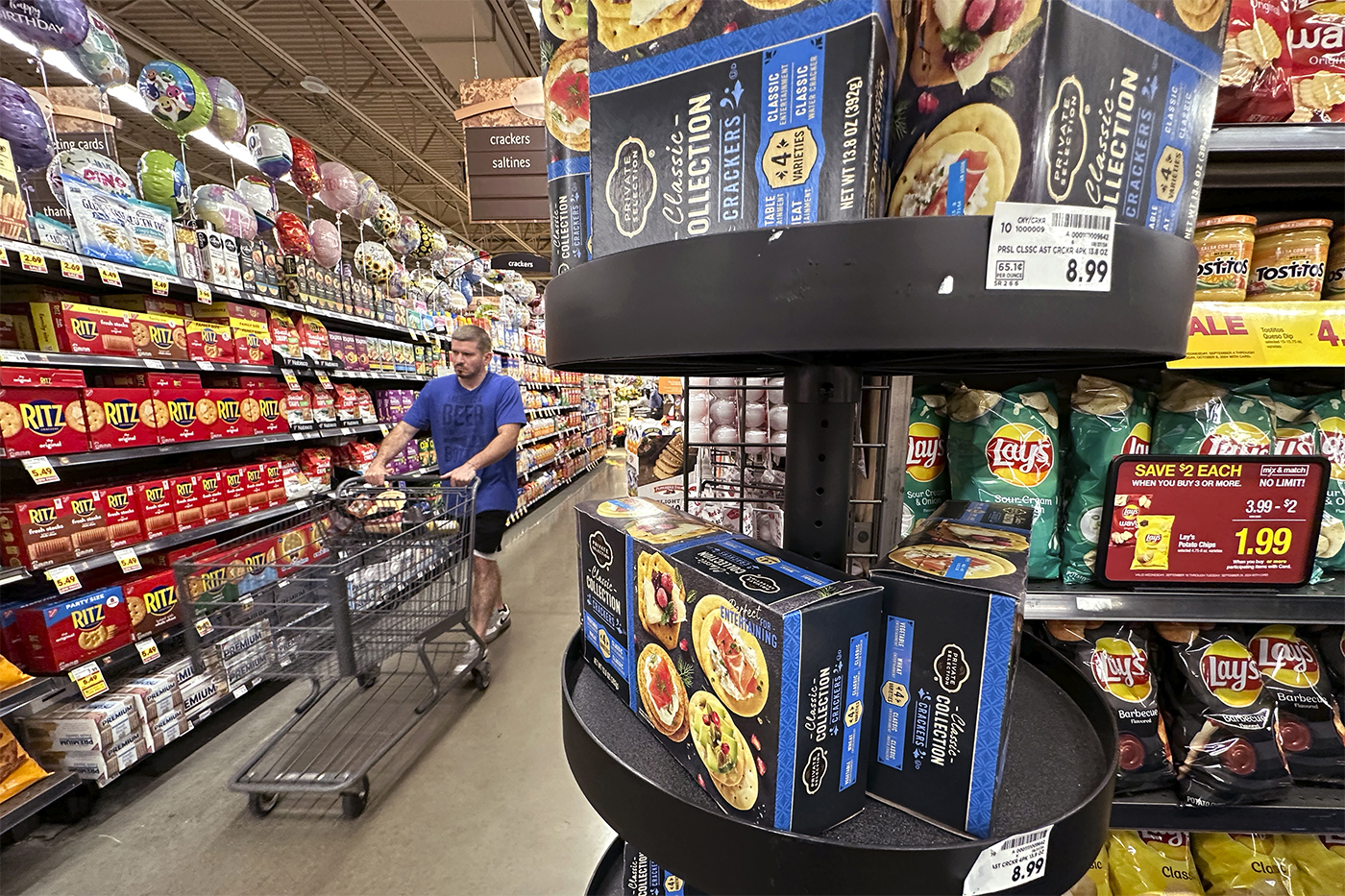
Feeding a large family can feel like a constant challenge, especially as grocery prices continue to rise. Every shopping trip has the potential to stretch or strain a household budget. Families that shop strategically often save hundreds of dollars each year without sacrificing quality or nutrition. Many parents searching for a Discount grocery store near me quickly realize that smart planning, careful purchasing, and consistent habits make the biggest difference when managing grocery expenses.
Why Grocery Costs Increase for Larger Families
Larger families naturally consume more food, beverages, and household essentials. Weekly grocery carts fill up faster, and even small price increases can have a noticeable effect on monthly spending.
Children also have changing nutritional needs as they grow. Snacks, school lunches, and family meals require a steady supply of ingredients, which can add up quickly. Understanding where money goes is the first step toward controlling costs effectively.
Create a Weekly Meal Plan
Meal planning remains one of the most effective ways to reduce grocery spending. Families that plan meals before shopping typically buy only what they need and avoid unnecessary purchases.
A simple weekly menu helps organize breakfast, lunch, dinner, and snacks. Planning meals around ingredients already available at home prevents waste and reduces duplicate purchases. As a result, families can shop with confidence and stay within budget.
Build Meals Around Sale Items
Checking weekly store advertisements before creating a meal plan can lead to significant savings. Sale items provide an opportunity to design affordable meals while still offering variety.
For example, if chicken is discounted one week, families can prepare several meals using that ingredient. This approach helps maximize value while maintaining balanced nutrition throughout the week.
Shop With a Detailed Grocery List
Walking into a store without a list often leads to impulse purchases. A carefully prepared shopping list keeps spending focused on necessities rather than temptations.
Lists also save time by reducing unnecessary browsing. Shoppers who know exactly what they need are less likely to overspend and more likely to stick to their budget.
Organize the List by Store Sections
Grouping items according to produce, dairy, frozen foods, and pantry goods creates a more efficient shopping experience. Organized lists help prevent forgotten items and unnecessary return trips.
This simple habit can reduce stress and encourage smarter decision-making while shopping. Over time, the savings become noticeable.
Buy in Bulk When It Makes Sense
Bulk purchasing can be a valuable strategy for larger households. Products used frequently often cost less per unit when purchased in larger quantities.
Staples such as rice, pasta, flour, beans, and cereal are commonly available in bulk sizes. Families that use these items regularly can benefit from lower costs and fewer shopping trips.
Avoid Bulk Purchases That Lead to Waste
Not every bulk purchase is a good deal. Perishable items may spoil before they are consumed, resulting in wasted money and food.
Evaluating consumption habits before purchasing large quantities helps families make better choices. Buying only what will realistically be used ensures that bulk savings remain genuine.
Compare Unit Prices Instead of Package Prices
Many shoppers focus only on shelf prices, but unit pricing often tells a different story. Larger packages may seem more expensive initially while offering a lower cost per ounce or pound.
Reading unit price labels allows shoppers to identify the best value. This habit becomes especially useful when comparing different brands or package sizes.
Choose Store Brands Whenever Possible
Store-brand products frequently offer quality comparable to national brands at a lower price. Many grocery retailers source products from the same manufacturers used by well-known brands.
Testing store-brand alternatives can lead to substantial annual savings. Families often discover little difference in taste or performance while enjoying lower grocery bills.
Take Advantage of Loyalty Programs
Many grocery stores reward loyal customers through membership programs and digital discounts. These programs can provide exclusive savings on frequently purchased products.
Signing up is usually free and can generate meaningful savings throughout the year. Regular shoppers benefit the most because rewards accumulate over time.
Use Digital Coupons Strategically
Digital coupons are easier to manage than traditional paper coupons. Most grocery chains allow shoppers to load discounts directly onto loyalty accounts.
Combining coupons with sale prices creates additional opportunities for savings. Families can reduce costs significantly by planning purchases around available promotions.
Reduce Food Waste at Home
Food waste quietly increases grocery expenses for many households. Items forgotten in refrigerators or pantries often end up being discarded before they are used.
Tracking expiration dates and organizing food storage areas can help prevent waste. Families that use ingredients efficiently often find they need fewer grocery trips each month.
Practice First-In, First-Out Storage
The first-in, first-out method encourages using older products before opening newer ones. This system helps ensure food gets consumed before expiration.
Simple organization techniques make it easier to identify what needs to be used first. Consequently, households throw away less food and save more money.
Cook More Meals at Home
Restaurant meals and takeout orders often cost significantly more than home-cooked alternatives. Preparing meals at home allows families to control both portions and expenses.
Cooking larger batches can also provide leftovers for lunches or future dinners. This strategy stretches grocery dollars while reducing reliance on costly convenience foods.
Keep Affordable Ingredients on Hand
Budget-friendly ingredients form the foundation of many inexpensive meals. Stocking versatile staples makes it easier to prepare satisfying dishes without frequent shopping trips.
Common examples include:
- Rice
- Pasta
- Oats
- Beans
- Potatoes
- Frozen vegetables
- Eggs
- Peanut butter
These ingredients can be combined in countless ways to create filling meals for larger households while maintaining a manageable grocery budget.
Shop Seasonally for Produce
Fresh produce prices often fluctuate based on seasonal availability. Fruits and vegetables in season generally cost less and offer better flavor.
Seasonal shopping allows families to enjoy nutritious foods without paying premium prices. Farmers markets and local grocery promotions often highlight seasonal produce options.
Freeze Extra Produce for Later Use
Purchasing produce during peak seasons creates opportunities for additional savings. Excess fruits and vegetables can be frozen for future meals.
Frozen produce retains much of its nutritional value and reduces waste. Families benefit from lower prices while maintaining access to healthy ingredients year-round.
Limit Impulse Purchases
Impulse purchases can quickly derail even the most carefully planned grocery budget. Attractive displays and promotional offers often encourage unnecessary spending.
Setting a clear budget before entering the store helps maintain focus. Families that shop with intention generally spend less and avoid buyer’s remorse later.
Use Cash-Back and Savings Apps
Technology offers additional ways to save money on groceries. Many cash-back applications provide rewards for purchasing eligible products and uploading receipts.
Although individual savings may seem small, they accumulate over time. Combining app rewards with store discounts creates a layered approach to grocery savings.
Monitor Grocery Spending Monthly
Tracking grocery expenses provides valuable insight into spending habits. Families often discover patterns that reveal opportunities for improvement.
Monthly reviews help identify categories where costs are increasing. Adjustments can then be made before overspending becomes a long-term problem.
Set Realistic Savings Goals
Savings goals provide motivation and direction. Even modest monthly targets can result in significant annual savings.
Tracking progress encourages consistency and helps families stay committed to smarter shopping practices. Small improvements often produce meaningful results over time.
Teach the Entire Family About Grocery Budgets
Grocery savings become easier when everyone participates. Children and teenagers can learn valuable lessons about budgeting, meal planning, and responsible spending.
Involving family members in shopping and meal preparation builds awareness about food costs. Shared responsibility often leads to better purchasing decisions and reduced waste.
Conclusion
Managing grocery costs for a larger family requires planning, discipline, and smart shopping habits. Small changes such as meal planning, buying appropriate bulk items, comparing unit prices, and reducing food waste can create substantial savings over time. Consistency matters more than perfection. Families that develop practical routines and remain mindful of spending often discover they can stretch their grocery budget without sacrificing quality or nutrition. By applying these strategies regularly, households can gain greater control over expenses while continuing to provide satisfying meals for everyone at the table.