You hear it before you see it. That low rumble rolling across the Missouri sky, followed by wind that bends the trees sideways and rain that comes in at an angle. By morning, your yard looks like a different place entirely: branches scattered across the driveway, a fence panel knocked flat, maybe a whole limb resting on your porch roof.
If you’ve lived in Salisbury for any length of time, this isn’t new to you. Missouri weather doesn’t ask permission. One minute it’s a quiet afternoon, the next you’re stepping over debris just to get to your mailbox. And once the storm passes, the real headache begins: figuring out what to do with the mess it left behind.
That’s where Emergency Storm Cleanup becomes less of a nice-to-have and more of a “I need this handled today” kind of problem.
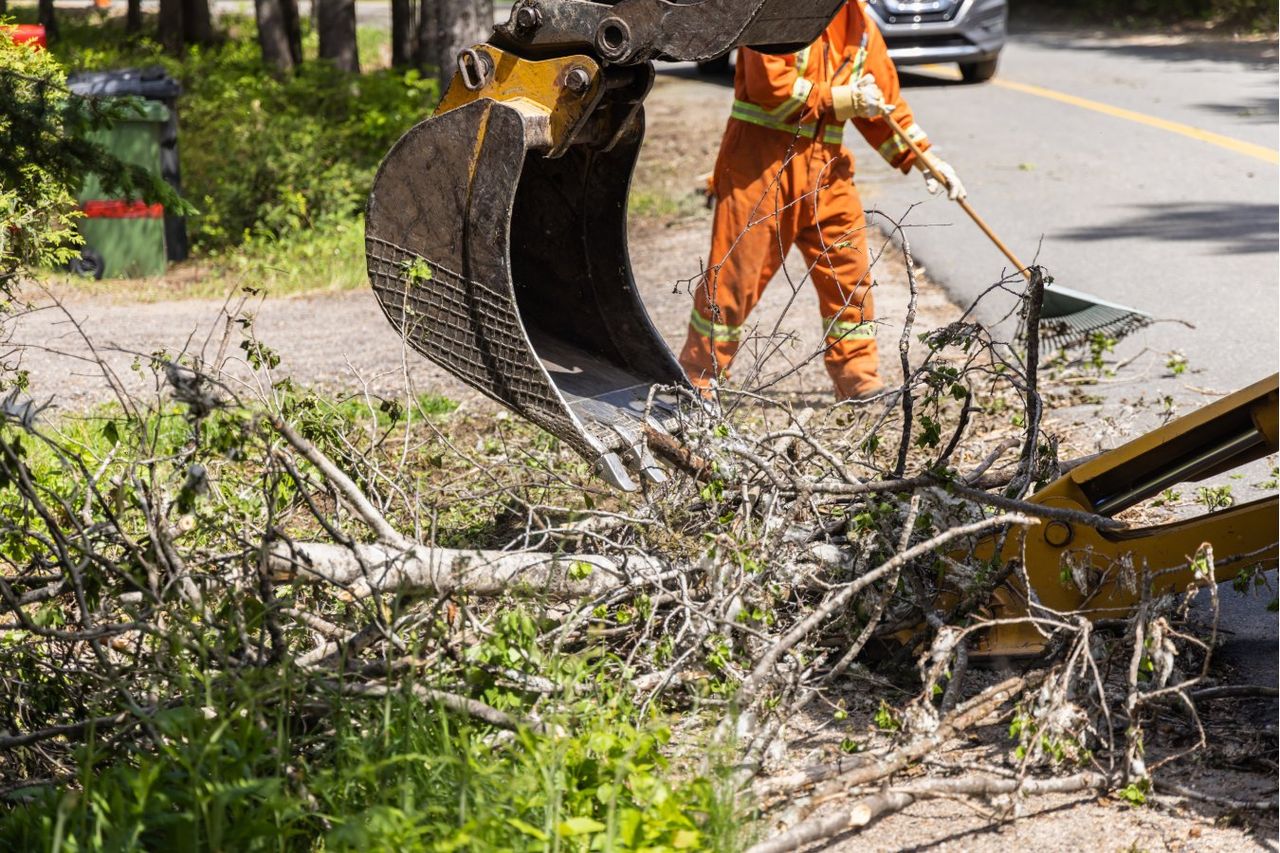
Emergency Storm Cleanup: Why It Can’t Wait
There’s a temptation to think storm debris can sit for a week or two while you get around to it. Unfortunately, that’s rarely true.
Wet branches and soaked yard waste start attracting pests within days. Standing debris near your home’s foundation can trap moisture against siding. And if limbs are resting on power lines, fencing, or your roof, every day they stay put is another day of risk.
Emergency Storm Cleanup isn’t about panic, it’s about timing. The faster debris gets cleared, the less chance it has to cause secondary damage or become a safety issue for kids, pets, or anyone walking through your yard.
The Hidden Dangers Homeowners Overlook
A lot of folks focus on the obvious stuff: the big branch in the driveway, the downed section of fence. But there are quieter dangers too:
- Cracked or weakened tree limbs that look fine but could drop without warning
- Nails, glass, or metal debris hidden in wet grass
- Waterlogged wood that’s grown too heavy and unstable to move safely on your own
This is exactly why so many Salisbury residents choose not to tackle it solo.
Real Problems Salisbury Homeowners Deal With After a Storm
Talk to anyone around Chariton County after a rough weather week, and you’ll hear some version of the same stories.
“I don’t have a truck big enough.”
Most storm debris isn’t a single trip. It’s multiple loads of branches, soggy insulation, maybe a section of shed roof that gave out. A regular pickup truck bed fills up fast, and suddenly you’re making four trips to who-knows-where.
“I physically can’t lift half of this.”
Waterlogged wood is heavier than people expect. Add in older homeowners or folks with back issues, and DIY cleanup turns from inconvenient to genuinely risky.
“I don’t even know where to take it.”
Not every type of storm debris can go to the curb for regular trash pickup. Some counties have restrictions, and figuring out disposal rules mid-crisis is the last thing anyone wants to deal with.
Local Flavor: Storms Are Just Part of Life Here
Anyone driving along Highway 24 near town knows how exposed those open fields and farmland stretches can get when a storm rolls through. Salisbury’s mix of wooded residential streets and open countryside means storm damage looks different depending on where you live, dense tree cover downtown, wide-open exposure out past the edges of town.
Spring and early summer bring the worst of it. Thunderstorms that build fast, sometimes with hail, sometimes with straight-line winds that do more damage than people expect from a “regular” storm. If you’ve lived near the Salisbury R-IV school area or out toward the rural routes, you’ve probably seen a tree come down that had stood for decades.
It’s not a matter of if another storm hits it’s when. And when it does, having a plan for cleanup matters just as much as having a plan to stay safe during the storm itself.
Practical Solutions: What Actually Works
Here’s the honest truth: you don’t need to figure this out alone, and you definitely don’t need to risk injury doing it yourself.
Step 1: Assess Before You Touch Anything
Walk your property (carefully) and note what’s damaged. Take photos for insurance before anything gets moved. This protects you if you need to file a claim later.
Step 2: Separate the Dangerous From the Simple
Small twigs and leaves? Fine to handle yourself. Large limbs, anything near power lines, or debris on your roof? That’s a job for professionals with the right equipment.
Step 3: Call for Fast, Local Help
This is where things get simple. Instead of renting a truck, borrowing a trailer, or making six trips to a disposal site, one call handles it all.
Junk Removal Salisbury, MO services exist specifically for moments like this when the mess is too big for one person and too urgent to wait weeks for a slot on someone’s calendar.
Step 4: Let Debris Removal Handle the Heavy Stuff
Whether it’s a fallen tree section, storm-damaged fencing, or a pile of soaked yard waste, professional Debris Removal Services Salisbury, MO teams know how to load, haul, and dispose of it properly, no guessing about local disposal rules, no injuries from lifting things that are too heavy.
Why Locals Trust Us After the Storm Passes
When your yard is a mess and you’re stressed, the last thing you want is a company that’s hard to reach or vague about pricing. Here’s what actually builds trust with Salisbury homeowners:
- Upfront pricing no surprise fees once the truck shows up
- Fast response times because storm debris doesn’t wait for a convenient Tuesday
- Proper licensing and insurance protecting your property during the job
- Local roots this is home, not just a service area on a map
Allen & Russell Hauling built its reputation on showing up when neighbors actually need help, not just when it’s convenient. That kind of reliability is earned one storm season at a time.
Frequently Asked Questions
Q1. How fast can storm debris be removed after a storm hits?
Most local teams prioritize storm-related calls and can often respond within 24-48 hours, depending on demand.
Q2. Can debris removal help with fallen trees on my property?
Yes, most services handle everything from small branches to full tree sections, as long as it’s already down or safely accessible.
Q3. Is storm debris different from regular junk removal?
Somewhat storm debris often includes wet, heavy materials and sometimes hazardous elements like broken glass or nails, requiring careful handling.
Q4. Will my homeowner’s insurance cover cleanup costs?
Many policies do cover storm-related debris removal. It’s worth photographing damage and checking with your provider before cleanup begins.
Q5. Do I need to be home during the cleanup?
Not always, but it’s helpful to walk the crew through problem areas beforehand if possible.
Q6. What if debris is tangled in power lines?
Never attempt this yourself. Contact your utility company first, then schedule cleanup once it’s safe.
Wrapping Up: Don’t Let Storm Damage Sit
Storm cleanup isn’t something you have to white-knuckle through alone. Between fallen branches, damaged fencing, and yard waste piling up, it’s easy to feel overwhelmed by where to even start.
The good news? You don’t have to figure it out solo. Fast, reliable Emergency Storm Cleanup is one phone call away, and getting your property back to normal doesn’t have to take weeks of stress and heavy lifting. When the next storm rolls through Salisbury, you’ll know exactly who to call.