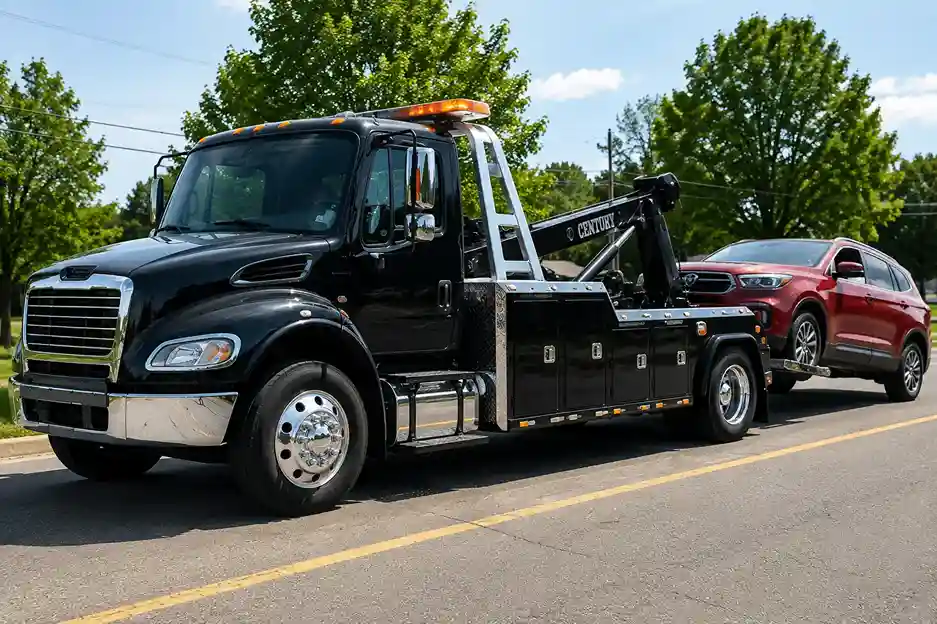
A vehicle breakdown can happen without warning, turning an ordinary trip into a stressful situation. Whether your car stalls on a busy highway or refuses to start in a parking lot, getting help quickly becomes the top priority. Many drivers wonder how long they will have to wait before assistance arrives. The response time of Towing ashland services depends on several factors, including location, traffic conditions, weather, and the availability of tow trucks in the area.
Why Response Time Matters During Roadside Emergencies
Waiting on the side of the road can be uncomfortable and sometimes unsafe. Fast assistance helps reduce stress and allows drivers to get back on schedule as soon as possible.
Quick response times are especially important when a vehicle is blocking traffic, stranded in an isolated area, or involved in an accident. A prompt towing service can help prevent additional risks while ensuring the vehicle is transported safely to its destination.
Average Arrival Times for Towing Services
Most towing companies aim to reach customers within 30 to 60 minutes under normal conditions. However, actual arrival times can vary depending on the circumstances surrounding the service request.
Urban areas often experience shorter wait times because more tow trucks operate nearby. Rural locations may require additional travel time because trucks must cover greater distances to reach stranded drivers.
Typical Timeframes Based on Location
Response times frequently differ according to where the breakdown occurs.
- City streets: 20–45 minutes
- Suburban areas: 30–60 minutes
- Rural roads: 45–90 minutes or more
- Highways: 30–60 minutes depending on traffic
These estimates can change based on weather, demand, and road conditions.
Factors That Affect Towing Arrival Times
Several variables influence how quickly a tow truck can reach your location. Understanding these factors helps set realistic expectations when requesting roadside assistance.
Traffic Conditions
Heavy traffic can significantly slow down a tow truck’s progress. Rush-hour congestion, road construction, and major events often create delays that affect arrival estimates.
Tow truck drivers typically use route-planning technology to find the fastest available path. Even with advanced navigation systems, traffic remains one of the most common causes of delays.
Weather Conditions
Bad weather affects both driving speed and overall road safety. Rain, snow, ice, and strong winds can make travel more difficult for towing professionals.
During severe weather events, service requests often increase dramatically. As a result, towing companies may have longer wait times because multiple drivers need assistance at the same time.
Distance From the Nearest Tow Truck
The location of the closest available truck plays a major role in response time. Companies with larger fleets can often dispatch a nearby driver faster than smaller operations.
A vehicle stranded near a service center may receive assistance more quickly than one located many miles away. Dispatchers usually assign the nearest available unit to reduce waiting periods.
Time of Day
The time you request service can influence how quickly help arrives. Daytime operations generally have more trucks available, while overnight requests may involve fewer active drivers.
Weekend evenings and holiday periods often bring increased demand. During these busy times, customers may experience slightly longer wait times than usual.
How Dispatch Systems Improve Response Times
Modern towing companies rely on advanced dispatch systems to coordinate service calls efficiently. These systems allow operators to track vehicles, assign drivers, and monitor progress in real time.
Technology helps reduce communication delays and ensures the closest available truck receives the assignment. This process improves efficiency and often shortens customer wait times.
GPS Tracking Benefits
GPS technology allows dispatchers to identify truck locations instantly. Rather than relying on manual estimates, they can see exactly where each driver is operating.
This visibility enables faster decision-making and more accurate arrival estimates. Customers also benefit because they receive better updates regarding expected arrival times.
Information That Helps Tow Trucks Reach You Faster
Providing accurate information when placing a service request can reduce delays. Dispatchers depend on clear details to locate your vehicle quickly.
The more precise your information, the easier it becomes for drivers to find you without unnecessary searching.
Important Details to Share
Be prepared to provide:
- Your exact location
- Vehicle make and model
- Vehicle color
- Nature of the problem
- Contact phone number
- Nearby landmarks
- Whether the vehicle is accessible
Accurate information helps towing professionals arrive prepared with the proper equipment.
Types of Towing Situations and Their Impact on Arrival Time
Not all towing requests are the same. Some situations require specialized equipment or additional planning, which can affect response times.
The complexity of the service request often determines how quickly a truck can be dispatched.
Standard Breakdown Assistance
Routine breakdowns are among the most common service calls. These requests are usually straightforward and can often be handled by standard tow trucks.
Because these situations occur frequently, companies generally respond quickly when trucks are available nearby.
Accident Recovery
Vehicles involved in collisions may require special handling. Additional safety precautions, law enforcement coordination, or recovery equipment can affect response times.
Although towing companies prioritize accident scenes whenever possible, the complexity of recovery efforts may extend the process.
Heavy-Duty Towing
Large trucks, buses, and commercial vehicles require specialized equipment. Not every company maintains heavy-duty tow trucks, which can increase wait times.
Specialized operators may need to travel from another service area to handle these larger vehicles safely.
What Drivers Should Do While Waiting for a Tow Truck
The waiting period can feel frustrating, but taking the right steps improves safety and helps the process go smoothly.
Remaining calm and following basic precautions can make a significant difference during a roadside emergency.
Move to a Safe Location
If possible, move your vehicle away from active traffic lanes. Pull onto the shoulder, a parking area, or another safe location.
This reduces the risk of secondary accidents and creates a safer environment for both you and the towing professional.
Turn On Hazard Lights
Hazard lights make your vehicle more visible to other drivers. Increased visibility is especially important during nighttime hours or poor weather conditions.
Visibility helps prevent accidents and assists the tow truck driver in locating your vehicle more easily.
Stay Aware of Your Surroundings
Remain alert while waiting for assistance. Avoid standing close to moving traffic and stay inside the vehicle if conditions are unsafe outside.
Personal safety should always remain the top priority until help arrives.
Choosing a Reliable Towing Company
Response time is important, but reliability matters just as much. A dependable towing provider combines prompt service with professional handling and clear communication.
Selecting a reputable company before an emergency occurs can save valuable time later.
Look for Professional Experience
Experienced operators know how to handle a wide range of roadside situations. Their knowledge often results in faster assessments and safer vehicle transport.
Companies with trained staff typically provide more efficient service than inexperienced providers.
Check Availability
Some towing companies operate around the clock, while others maintain limited hours. Twenty-four-hour availability can be a major advantage during unexpected emergencies.
Knowing which providers offer continuous service allows drivers to make informed decisions when assistance is needed.
Read Customer Reviews
Customer feedback provides insight into actual response times and service quality. Reviews often reveal how companies perform under real-world conditions.
Positive ratings and consistent praise for punctuality can indicate a dependable service provider.
How Roadside Assistance Programs Affect Towing Speed
Many drivers rely on roadside assistance memberships through insurance providers, automobile clubs, or vehicle manufacturers.
These programs coordinate towing requests through approved networks. Response times may vary depending on network coverage, local demand, and provider availability.
In some cases, direct contact with a local towing company may result in faster service. In other situations, roadside assistance networks offer the convenience of centralized dispatching and payment processing.
Why Preparation Can Reduce Stress During Breakdowns
Drivers cannot always prevent emergencies, but preparation can make them easier to manage. Keeping important contact information readily available helps speed up the assistance process.
A well-prepared driver can communicate more effectively with dispatchers and respond calmly when problems arise. Preparation also minimizes confusion during stressful situations.
Essential Items to Keep in Your Vehicle
Keeping a few basic items in your vehicle can improve safety during roadside incidents.
Items worth carrying include:
- Flashlight
- Reflective warning triangles
- Phone charger
- First-aid kit
- Bottled water
- Emergency blanket
- Vehicle registration documents
These supplies help drivers remain safe and comfortable while waiting for assistance.
Conclusion
The speed at which a towing company reaches your location depends on several factors, including traffic, weather, distance, and service demand. While many providers aim for arrival times between 30 and 60 minutes, actual wait periods can vary based on circumstances. Drivers can help shorten delays by providing accurate location details and choosing reputable towing services with modern dispatch systems. Preparation also plays a key role in reducing stress during roadside emergencies. By understanding what affects response times and knowing how to stay safe while waiting, vehicle owners can handle unexpected breakdowns with greater confidence and peace of mind.