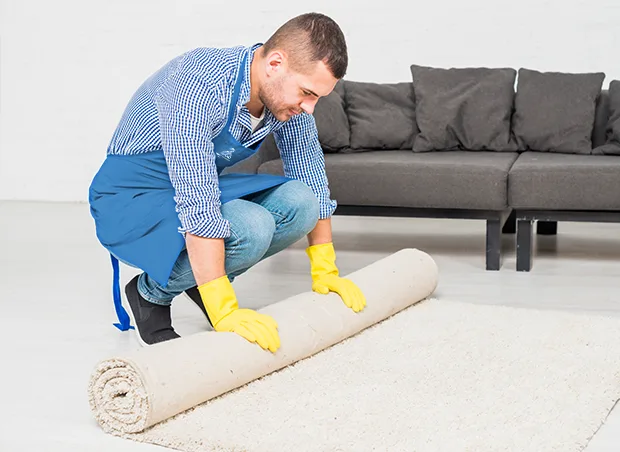
A clean carpet can instantly make a home look brighter, fresher, and more welcoming. However, carpets also collect dust, dirt, food crumbs, pet hair, allergens, and accidental spills every day. Because much of this buildup settles deep between the fibres, simply vacuuming occasionally may not always keep your carpet in excellent condition.
Fortunately, homeowners can follow several simple carpet cleaning habits to protect their flooring and maintain a healthier-looking living space. With the right techniques, regular maintenance, and quick action when accidents happen, you can keep your carpets looking fresh for longer. Here are ten practical carpet cleaning tips that every homeowner should know.
1. Start With a Consistent Vacuuming Routine
Regular vacuuming is one of the easiest and most effective ways to maintain a carpet. Dust, dirt, hair, and small particles can settle deep into carpet fibres when you leave them undisturbed. Over time, this buildup can make the carpet look dull and can contribute to unpleasant odours.
Therefore, create a vacuuming schedule that suits your household. High-traffic areas may need attention several times a week, while less-used rooms may require less frequent cleaning. Move the vacuum slowly rather than rushing across the carpet because slower passes allow the machine to pick up more debris.
2. Deal With Spills Before They Become Stains
Accidents happen in every home. A spilled drink, dropped food, or muddy footprint can quickly leave a visible mark on carpet fibres. The most important rule is to act quickly instead of allowing the liquid to sit and penetrate deeper into the carpet.
First, gently blot the affected area with a clean, absorbent cloth. Avoid aggressive rubbing because it can push the liquid further into the fibres and spread the stain across a larger area. Continue blotting until you remove as much moisture as possible, and then use a suitable carpet-cleaning solution according to the manufacturer’s care instructions.
3. Never Scrub Carpet Stains Aggressively
When homeowners see a stubborn stain, their first instinct may be to scrub it as hard as possible. However, vigorous scrubbing can damage carpet fibres, change their texture, and spread the stain. Consequently, the carpet may look worse even after the cleaning attempt.
Instead, use gentle blotting and controlled movements. Work from the outside of the stain toward the centre to reduce the risk of spreading it. Additionally, test any cleaning product on a small, hidden section first to make sure it does not cause discoloration or damage.
4. Use the Right Cleaning Product for Your Carpet
Not every carpet responds to the same cleaning solution. Different materials, colours, backing systems, and manufacturing methods require different care. Using a strong chemical simply because it promises powerful stain removal can sometimes cause fading, residue buildup, or fibre damage.
Before applying a product, read the carpet manufacturer’s instructions carefully. Choose a cleaner that matches the carpet type and follow the recommended dilution and application instructions. If you are unsure about a particular product, testing it in an inconspicuous area can help prevent an unpleasant surprise.
5. Keep Dirt Outside Your Home
One of the simplest ways to reduce carpet cleaning is to stop unnecessary dirt from entering your home. Outdoor shoes can carry soil, dust, moisture, and other debris onto carpeted floors. As people repeatedly walk across the same areas, those particles can become embedded in the fibres.
Place doormats at entrances and encourage family members and visitors to remove outdoor footwear where practical. Regularly clean the mats as well because dirty mats can eventually transfer debris back onto clean floors. This small habit can significantly reduce the amount of dirt your carpet receives every day.
6. Pay Extra Attention to High-Traffic Areas
Not every part of your carpet receives the same amount of use. Hallways, entrances, stairs, living rooms, and areas around sofas often experience significantly more foot traffic than guest rooms or rarely used spaces. As a result, these sections can develop flattened fibres, darker pathways, and visible dirt more quickly.
Give high-traffic zones additional attention during your cleaning routine. Vacuum them more frequently and address spills as soon as they occur. Furthermore, occasionally changing the arrangement of furniture can reduce repeated pressure on the same carpet sections and help distribute wear more evenly.
7. Keep Pets and Pet Areas Clean
Pets bring plenty of happiness into a home, but they can also introduce hair, dirt, mud, and odours onto carpets. Pet accidents require especially quick attention because urine and other substances can penetrate below the visible surface if you leave them untreated.
Regularly groom pets to reduce loose hair and clean their sleeping or feeding areas frequently. If an accident occurs, absorb the moisture promptly and use a cleaning solution specifically designed for the type of stain. Avoid masking odours with strong fragrances because this may only cover the smell temporarily instead of addressing the source.
8. Control Moisture and Prevent Over-Wetting
Water can help clean carpets, but too much moisture can create another problem. When carpets remain wet for too long, they may develop musty smells and can become more difficult to maintain. Excessive moisture may also affect carpet backing or flooring underneath, depending on the installation.
Therefore, always use the correct amount of water when cleaning. Provide adequate ventilation after washing the carpet and use fans or open windows when appropriate. Most importantly, allow the carpet to dry completely before placing heavy furniture back on it or allowing significant foot traffic.
9. Don’t Forget the Carpet Under Furniture
Large sofas, beds, tables, and cabinets can make certain carpet areas easy to overlook. Although these sections receive less foot traffic, they can still accumulate dust and fine particles over time. Furniture can also create pressure points that flatten carpet fibres.
Whenever it is safe and practical, move lightweight furniture temporarily so you can vacuum underneath and around it. For heavier pieces, use appropriate attachments or reach as far underneath as possible. Periodic attention to hidden areas helps create a more consistently clean carpet throughout the room.
10. Schedule a Deeper Carpet Cleaning Routine
Routine vacuuming and spot treatment are essential, but they cannot always remove everything trapped deep within carpet fibres. Over time, carpets can accumulate fine dust, oils, allergens, residue, and stubborn particles that ordinary household cleaning may leave behind.
For this reason, consider arranging a professional carpet cleaning service when your carpet needs a deeper refresh. Professional equipment and suitable cleaning techniques can reach deeper into the carpet and help remove accumulated debris. The ideal frequency depends on factors such as household size, foot traffic, pets, children, carpet material, and general indoor conditions.
Read More: How Professional Carpet Cleaning Can Extend the Life of Your Carpets
Bonus Tip: Protect Your Carpet Between Cleanings
Prevention is just as important as cleaning. Simple habits such as removing shoes, cleaning spills immediately, using mats, vacuuming regularly, and keeping food away from carpeted areas can significantly reduce everyday wear and dirt. These habits also make deeper cleaning easier because less contamination accumulates between cleaning sessions.
Additionally, avoid placing extremely dirty objects directly on carpeted surfaces. When moving furniture or completing home improvement work, protect the carpet with suitable coverings. Taking a few minutes to prevent dirt and damage can save considerable cleaning effort later.
Make Carpet Care a Simple Part of Home Life
Carpet cleaning does not have to become a complicated or exhausting household chore. A consistent routine can make a noticeable difference. Start with frequent vacuuming, respond quickly to spills, protect high-traffic areas, and choose cleaning products carefully. At the same time, remember that every carpet has different care requirements, so always follow the manufacturer’s recommendations.
Most importantly, do not wait until your carpet looks extremely dirty before taking action. Regular maintenance prevents dirt from becoming deeply embedded and helps preserve the carpet’s appearance and texture. With these simple habits, homeowners can enjoy cleaner, fresher, and better-maintained carpets throughout the year.
Conclusion
A well-maintained carpet can improve the comfort and appearance of your entire home. Although everyday dust, spills, pet hair, and foot traffic are unavoidable, you can control how much they affect your flooring by following a few practical habits.
Vacuum consistently, treat stains quickly, avoid aggressive scrubbing, use suitable products, reduce outdoor dirt, manage moisture, and give high-traffic areas extra attention. Furthermore, periodic deep cleaning can remove buildup that everyday maintenance cannot handle. By combining these simple steps, you can extend the life of your carpet and keep your home looking clean and inviting.