When a work truck suddenly struggles to lift, dump, steer, or operate its equipment, the problem can turn an ordinary workday into a frustrating one. For drivers and businesses in San Angelo, a disabled truck can mean missed jobs, delayed deliveries, and money lost while equipment sits still.
The good news is that many hydraulic problems show warning signs before they become major failures. Knowing what to watch for and getting the right repair at the right time can help keep your truck dependable.
Understanding hydraulic system repair
A hydraulic system uses pressurized fluid to transfer power through components such as pumps, hoses, valves, cylinders, and reservoirs. When one part stops working correctly, the entire system can become less effective.
Professional hydraulic system repair involves finding the actual source of the problem rather than simply replacing whatever component looks damaged.
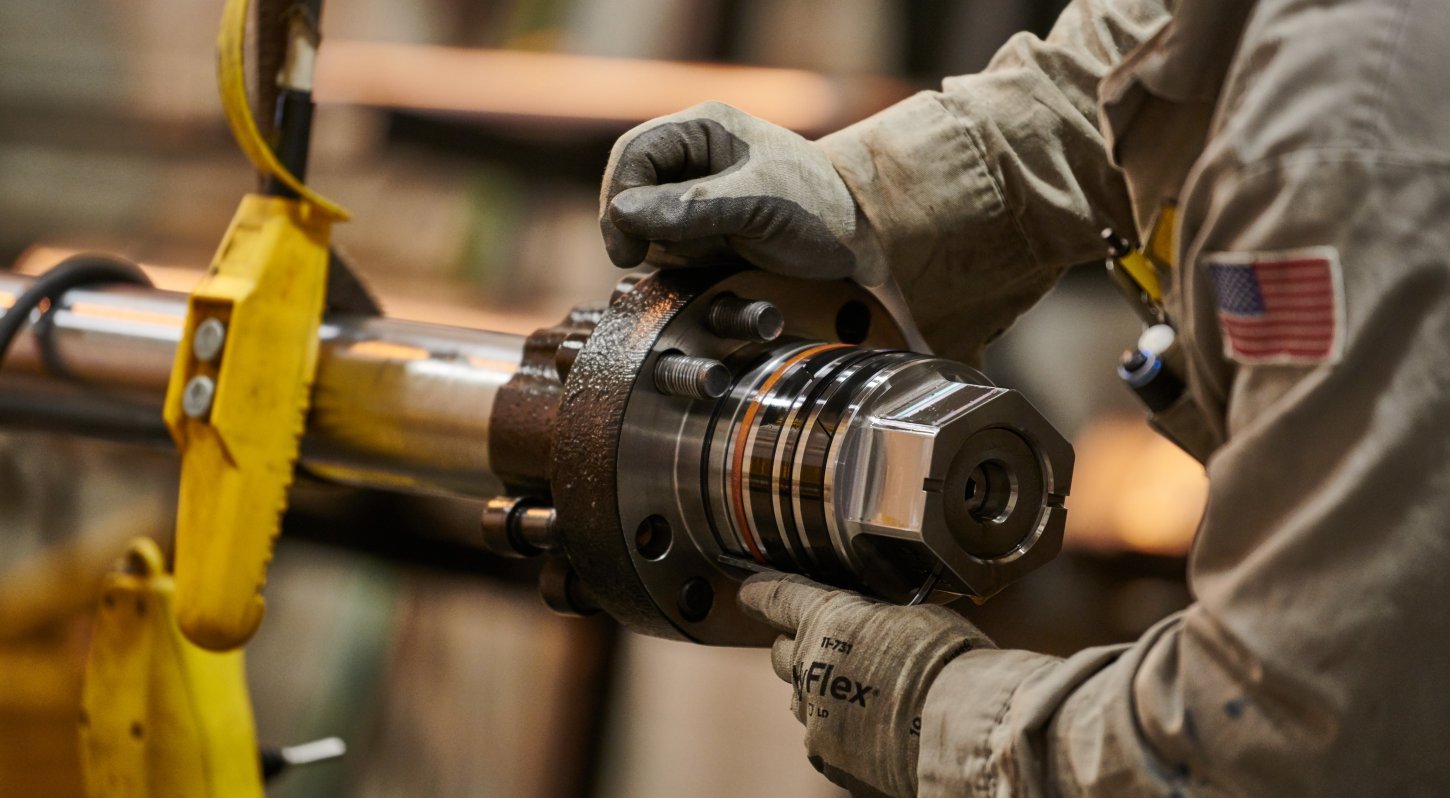
Common hydraulic problems
Several issues can affect trucks and heavy-duty equipment:
- Hydraulic fluid leaks around hoses or fittings
- Slow or weak lifting performance
- Unusual noises from the hydraulic pump
- Jerky movement when operating equipment
- Excessive heat in the hydraulic system
- Low or contaminated hydraulic fluid
- Damaged cylinders or seals
- Pressure problems caused by worn components
A small leak may appear harmless at first, but continued fluid loss can reduce pressure and place additional stress on the pump and other components.
Real Problems San Angelo Truck Owners Face
Truck owners in San Angelo deal with conditions that can be hard on heavy-duty equipment. Long periods of operation, dusty environments, heavy loads, and Texas heat can all contribute to wear.
Extreme Texas heat
San Angelo summers can be brutally hot. High temperatures can put additional strain on hydraulic fluid and components, especially when a truck is working for hours without much downtime.
If the hydraulic system begins running hotter than normal, it should not simply be ignored.
Unexpected leaks
A driver may notice a wet spot beneath the truck or a small amount of fluid around a connection. It is tempting to clean it up and continue working, particularly when there is a job waiting.
That approach can become expensive. A minor leak can worsen under pressure and eventually leave the equipment unusable.
Downtime during busy jobs
For contractors, haulers, agricultural operators, and other local businesses, a truck is more than transportation. It is part of the job itself.
When equipment stops functioning, finding a dependable repair option quickly can make the difference between finishing the day’s work and rescheduling customers.
Local Conditions Can Affect Your Equipment
San Angelo’s working environment creates plenty of opportunities for heavy-duty equipment to take a beating. Trucks traveling around areas such as Southland, PaulAnn, and the neighborhoods surrounding Loop 306 may spend long hours on the road or at demanding job sites.
Dust can find its way into places where it does not belong, while high temperatures can increase operating stress. Trucks working outside the city may also travel considerable distances before returning to a repair facility.
That makes preventative inspections especially valuable. Catching a worn hose, damaged fitting, or developing pressure issue early can save a driver from dealing with a much bigger problem later.
How to Handle a Hydraulic Problem
When something feels wrong, a few practical steps can help.
1. Stop and inspect
If equipment suddenly becomes weak, noisy, or unresponsive, safely stop operation when possible. Look for visible leaks, damaged hoses, or unusual fluid buildup.
Never put your hands near a suspected high-pressure hydraulic leak. Pressurized fluid can cause serious injuries.
2. Check the basics
If it can be done safely, check the hydraulic fluid level according to the manufacturer’s instructions. Also look for obvious signs of contamination or fluid loss.
Do not guess at fluid specifications. Using the wrong product can create additional problems.
3. Pay attention to symptoms
Tell the repair technician exactly what happened. Details such as when the problem started, whether the system becomes worse when hot, and whether unusual sounds appeared can help with diagnosis.
4. Get the system properly diagnosed
Replacing parts without identifying the underlying issue can waste money. A professional inspection should consider the pump, hoses, valves, cylinders, fluid condition, and system pressure.
5. Repair the underlying problem
The goal should be restoring reliable operation, not simply making the equipment work temporarily. A proper repair can help reduce repeat failures and unexpected downtime.
Why Professional Diagnosis Matters
A hydraulic system is interconnected. A failing pump can create symptoms that look similar to a valve problem, while a leak can cause pressure issues that affect other components.
That is why experienced technicians look beyond the most obvious symptom.
At Alfred’s Diesel and Trailer Repair, customers can bring their concerns to a local team that understands the importance of keeping heavy-duty vehicles and equipment working. The focus should always be on identifying the problem, explaining the repair clearly, and getting the vehicle back into service safely.
Don’t Ignore Related Truck Problems
Hydraulic trouble is not always the only concern. A truck experiencing repeated performance issues may also need broader mechanical attention.
If you have searched online for truck repair near me, you are probably looking for more than a quick parts replacement. You want someone who can understand the vehicle as a complete system and explain what needs attention.
Engine performance deserves the same approach. Problems such as hard starting, overheating, unusual smoke, loss of power, or poor acceleration can indicate that professional truck engine repair is needed.
Taking care of related mechanical issues early can help prevent one neglected problem from turning into several expensive repairs.
What Builds Trust With a Local Repair Shop?
Choosing a repair provider is easier when the shop communicates clearly and treats your time seriously.
Look for signs such as:
- Clear explanations of the suspected problem
- Straightforward communication about needed repairs
- Professional inspection before recommending major parts
- Attention to safety
- Experience with heavy-duty trucks and trailers
- Respect for the customer’s schedule
- Honest discussion about repair priorities
You should never feel pressured into approving work you do not understand. A trustworthy repair professional should be willing to explain what failed, why it failed, and what the recommended solution is.
Preventive Maintenance Can Save You Trouble
Waiting until a truck breaks down is rarely the best maintenance strategy. Regular inspections can uncover developing problems while they are still manageable.
Consider having hydraulic components checked during routine service, especially if the truck works under heavy loads or in demanding conditions.
Drivers can also make inspections part of their normal routine by watching for:
- New fluid spots
- Cracked or worn hoses
- Loose fittings
- Unusual operating noises
- Slower equipment movement
- Excessive heat
- Changes in lifting or dumping performance
These observations take little time but can provide useful early warnings.
Frequently Asked Questions
Q1. How do I know if my hydraulic system needs repair?
Ans: Slow operation, leaks, unusual noises, weak lifting power, overheating, or jerky equipment movement can all indicate a hydraulic problem that needs professional inspection.
Q2. Can a small hydraulic leak become serious?
Ans: Yes. A small leak can cause fluid loss and reduced system pressure. Continued operation may also increase wear on pumps and other components.
Q3. How often should hydraulic systems be inspected?
Ans: Inspection frequency depends on the truck, equipment, workload, and manufacturer’s recommendations. Heavy-use vehicles generally benefit from more frequent checks.
Q4. Is hydraulic repair only for large commercial trucks?
Ans: No. Hydraulic systems are used in many types of work vehicles and equipment. The appropriate repair depends on the specific system and application.
Q5. Can hydraulic problems affect other truck components?
Ans: They can. Continued operation with pressure, fluid, or overheating problems may place additional stress on connected components.
Q6. When should I stop operating the truck?
Ans: Stop when there is a major leak, sudden loss of hydraulic function, unusual pressure-related behavior, or another condition that could create a safety risk. Have the vehicle professionally inspected before returning it to service.
Keep Your Truck Ready for the Next Job
A hydraulic issue does not have to become a major headache. Paying attention to warning signs, maintaining equipment properly, and getting professional help early can protect both your truck and your schedule.
For San Angelo drivers and businesses, dependable local service matters because every hour of unnecessary downtime can affect the next job. Alfred’s Diesel and Trailer Repair can help you address equipment concerns with practical, professional service.
When you need hydraulic system repair, do not wait for a small warning sign to become a roadside breakdown. Get the system checked, understand the recommended repair, and give your truck the attention it needs to keep working reliably.