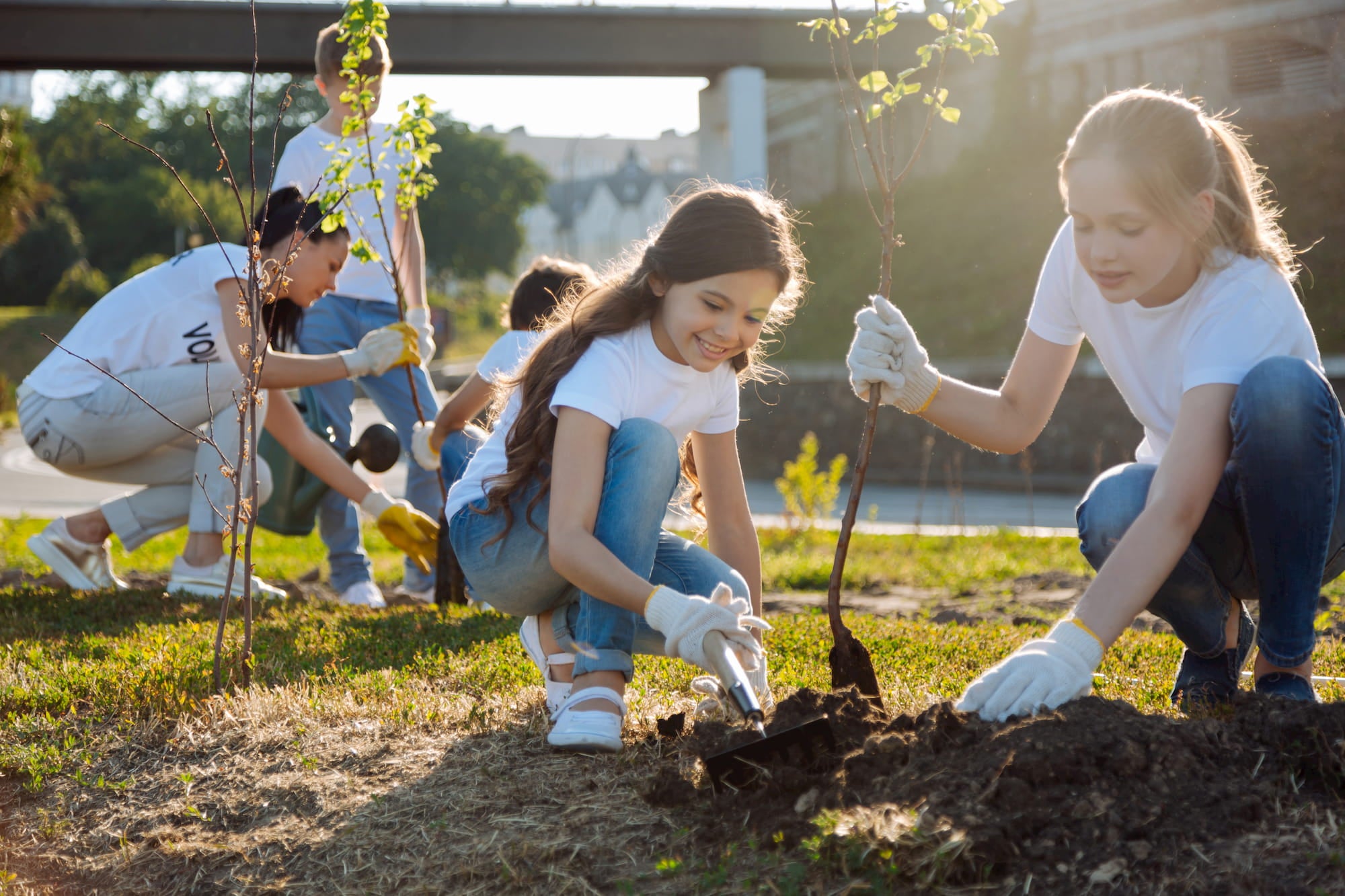
Pollution does not always arrive with a warning. It can build slowly in the air we breathe, the water we drink, and the soil that supports our food. Understanding these sources is the first step toward reducing their impact. An Environmental Nonprofit can help communities identify local risks, promote responsible practices, and support long-term solutions that protect natural resources and public health.
What Is Environmental Pollution?
Environmental pollution occurs when harmful substances or forms of energy enter the natural environment at levels that can cause damage. These pollutants may affect air, water, soil, wildlife, ecosystems, and human health.
Pollution can come from natural events, but most serious and persistent problems are linked to human activities. Industrial production, transportation, agriculture, construction, and poor waste management can all introduce harmful materials into the environment.
The effects are not always limited to one location. Air pollutants can travel across regions, contaminated water can move downstream, and chemicals released into soil may remain there for years. As a result, pollution often becomes a shared community problem rather than an isolated issue.
Industrial Activity Is a Major Pollution Source
Factories and manufacturing facilities play an important role in producing goods people use every day. However, some industrial processes release pollutants into the air, water, and soil.
Factories may produce smoke, gases, chemical waste, wastewater, and solid waste. Poorly controlled emissions can contribute to air pollution, while untreated industrial wastewater can harm rivers, lakes, and groundwater.
How Industrial Pollution Affects Communities
Industrial pollution can create both immediate and long-term concerns. Airborne particles and gases may reduce air quality, while chemical contamination can damage aquatic habitats and agricultural land.
Strong environmental standards, regular inspections, proper waste treatment, and responsible production methods can reduce these risks. Businesses also have a role to play by monitoring emissions and addressing problems before they become larger environmental threats.
Transportation Contributes To Air Pollution
Cars, trucks, buses, ships, and airplanes consume large amounts of fuel. Burning gasoline, diesel, and other fuels releases pollutants that can affect air quality and contribute to climate change.
Road traffic is particularly important in busy urban areas. Vehicle exhaust can release particulate matter, nitrogen oxides, carbon monoxide, and other substances that affect the atmosphere.
Communities can reduce transportation-related pollution by supporting cleaner vehicles and efficient public transportation. Walking, cycling, carpooling, and better urban planning can also reduce the number of vehicle trips.
Agriculture Can Affect Soil And Water Quality
Farming provides food for billions of people, yet certain agricultural practices can place pressure on natural resources. Fertilizers, pesticides, animal waste, and soil erosion can contribute to environmental pollution.
Rain can carry excess fertilizer and chemicals from fields into nearby streams and rivers. This runoff may encourage excessive algae growth and reduce oxygen levels in water, creating difficult conditions for fish and other aquatic organisms.
Better Farming Practices Can Reduce Pollution
Farmers can adopt practical methods that protect both productivity and natural resources. These include using fertilizers carefully, maintaining vegetation near waterways, improving soil health, and applying pesticides only when necessary.
Crop rotation, cover crops, efficient irrigation, and integrated pest management can also reduce runoff and protect soil. Such approaches can benefit farms while lowering their environmental impact.
Poor Waste Management Creates Serious Problems
Every household, business, and community produces waste. The problem grows when waste is not collected, treated, recycled, or disposed of properly.
Plastic, electronic waste, household chemicals, construction debris, and other materials can contaminate land and water. Open dumping and improper disposal may also attract pests and create unpleasant or unsafe conditions.
A nonprofit organization can support waste reduction campaigns, recycling education, community cleanups, and responsible disposal programs. Individual choices matter as well, particularly reducing unnecessary purchases and reusing materials whenever possible.
Plastic Pollution Is A Growing Concern
Plastic is durable and inexpensive, which makes it useful for countless products. However, those same qualities make plastic difficult to manage after disposal.
Plastic waste can enter rivers, oceans, drainage systems, and natural habitats. Larger pieces can injure wildlife, while smaller fragments known as microplastics can spread through water, soil, and food chains.
Reducing unnecessary single-use plastics is one practical step. Better collection systems, recycling programs, product redesign, and responsible consumer habits can also help limit plastic pollution.
Construction And Urban Development Affect Nature
Construction supports housing, transportation, businesses, and public infrastructure. However, poorly managed construction activity can produce dust, noise, wastewater, debris, and soil disturbance.
Removing vegetation can increase erosion and reduce natural habitats. Construction sites may also allow sediment and other materials to enter stormwater systems if proper controls are not maintained.
Developers and contractors can reduce these effects through responsible site planning, erosion controls, waste separation, dust management, and careful protection of nearby waterways. Local environmental requirements should guide projects from planning through completion.
Energy Production Can Increase Pollution
Energy production is another major source of environmental pressure. Facilities that burn coal, oil, or natural gas release emissions into the atmosphere.
These emissions can contribute to smog, poor air quality, and climate-related changes. Extraction and transportation of fuels can also disturb land and create risks for surrounding ecosystems.
Cleaner energy sources, energy efficiency, and improved technology can reduce pollution associated with electricity production. Communities can support these changes by conserving energy and encouraging responsible energy policies.
Deforestation Reduces Natural Protection
Forests help filter air, store carbon, protect soil, and provide habitats for wildlife. Removing forests for agriculture, development, logging, or other purposes can weaken these natural benefits.
Deforestation can increase soil erosion and reduce biodiversity. It can also change water cycles and make ecosystems more vulnerable to extreme weather and other pressures.
Protecting forests requires a combination of responsible land management, conservation programs, sustainable forestry, and community involvement. Environmental groups often help educate residents and support conservation initiatives.
Household Activities Also Add To Pollution
Large industries receive significant attention, but everyday household activities also affect the environment. Cleaning products, paints, fuels, pesticides, food waste, and discarded electronics can become pollutants when handled improperly.
Using excessive electricity and water also increases pressure on natural resources. Small actions may seem insignificant individually, but millions of households making similar choices can create a measurable impact.
Residents can reduce pollution by disposing of hazardous materials properly, conserving resources, reducing waste, and choosing environmentally responsible products. Community education can make these habits easier to adopt.
How Communities Can Help Reduce Pollution
Environmental protection works best when residents, businesses, government agencies, and nonprofit organizations cooperate. Each group can address different parts of the pollution problem.
Practical community actions include:
- Organizing neighborhood cleanup events.
- Improving recycling and waste collection.
- Planting trees and protecting green spaces.
- Supporting public transportation and walking routes.
- Educating residents about household hazardous waste.
- Encouraging responsible water and energy use.
- Reporting illegal dumping and serious pollution concerns.
- Supporting conservation and environmental education programs.
These actions become more effective when communities measure local problems and focus resources where they are most needed.
Why Environmental Education Matters
People are more likely to change harmful habits when they understand how their actions affect the environment. Education can explain the connection between everyday choices and larger pollution problems.
Schools, community groups, businesses, and nonprofit organizations can provide workshops, campaigns, volunteer opportunities, and practical information. Clear communication also helps residents understand environmental regulations and participate in local decision-making.
Education should focus on realistic actions rather than placing responsibility entirely on individuals. Pollution is often connected to infrastructure, industry, public policy, and economic systems, so lasting progress requires solutions at several levels.
The Role Of Nonprofit Organizations In Pollution Reduction
A nonprofit can connect environmental goals with community action. Many organizations work on conservation, public education, research, cleanup programs, policy advocacy, and environmental justice.
These groups may also help residents understand pollution risks and find ways to participate in local solutions. Their work can bring volunteers, experts, businesses, and community leaders together around shared environmental goals.
Supporting credible environmental organizations can be another way for individuals to contribute. Donations, volunteering, educational outreach, and participation in community programs can help expand environmental projects.
What Individuals Can Do Every Day
Reducing pollution does not require every person to make major lifestyle changes at once. Consistent choices can make a meaningful difference when they become part of normal routines.
People can begin by reducing disposable products, conserving electricity and water, maintaining vehicles properly, avoiding unnecessary chemical use, and disposing of waste correctly. Choosing durable products and repairing items instead of immediately replacing them can also reduce waste.
The most effective personal actions depend on local conditions. A resident near a polluted waterway may have different priorities from someone living in an area struggling with traffic-related air pollution.
Conclusion
Environmental pollution has many causes, and no single solution can address them all. Industrial activity, transportation, agriculture, waste, energy production, construction, deforestation, and household practices can each place pressure on air, water, soil, and ecosystems. The good news is that practical solutions already exist. Strong environmental standards, responsible business practices, better infrastructure, public education, conservation, and community participation can reduce pollution over time. Individuals can contribute through everyday choices, while nonprofit organizations and public institutions can help coordinate broader efforts. Understanding the sources of pollution gives communities a clearer path toward cleaner surroundings and healthier natural resources.