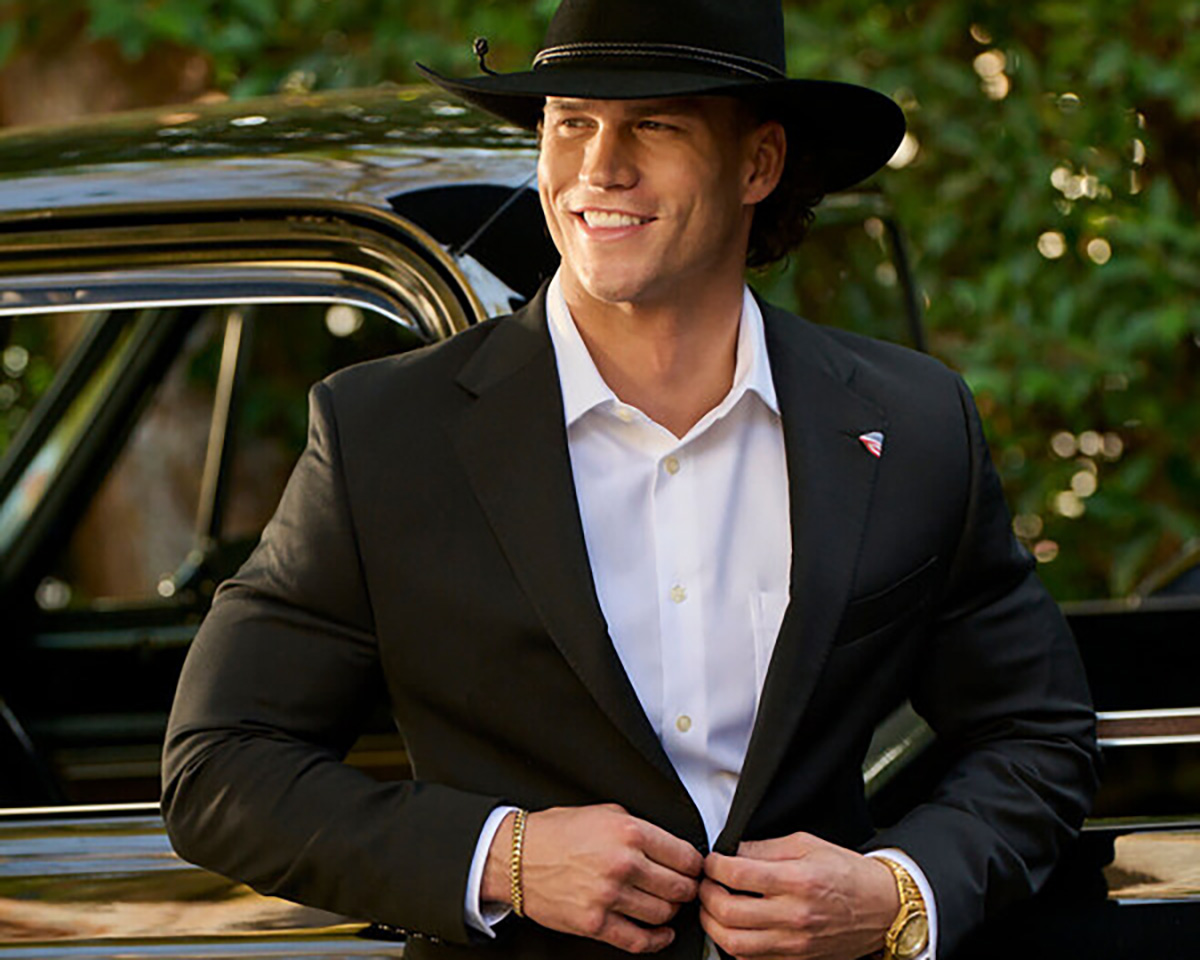
Great style should work with the weather, not against it. The right fabrics, colors, and layers can keep an outfit comfortable while still looking polished, whether you are heading to work or meeting friends. For men who prefer a strong, versatile wardrobe, High-quality black men clothing offers an especially useful foundation because black pairs easily with seasonal shades, textures, and accessories. Building around a few reliable pieces makes dressing well much easier throughout the year.
Spring Clothing Styles for Men
Spring brings changing temperatures, so flexible outfits are more useful than heavy winter layers. Lightweight jackets, breathable shirts, chinos, denim, and casual sneakers can handle cool mornings and warmer afternoons without making an outfit feel bulky.
Neutral colors work particularly well during this season. Black, navy, beige, olive, white, and soft gray can be combined in many ways, allowing you to create different outfits without buying a large number of pieces.
Lightweight Jackets Add Practical Style
A lightweight jacket is one of the most useful spring purchases. A bomber jacket, Harrington jacket, denim jacket, or unstructured overshirt can provide enough coverage during cooler hours while remaining easy to remove later.
Try pairing a black jacket with a plain white T-shirt, slim chinos, and clean sneakers. For a slightly smarter appearance, replace the T-shirt with an Oxford shirt and choose loafers or simple leather shoes.
Choose Breathable Layers
Spring outfits should allow easy layering. A cotton T-shirt under an overshirt, for example, gives you two simple options as temperatures change throughout the day.
Avoid wearing several thick layers at once. Instead, choose lightweight fabrics that can be added or removed without disturbing the overall shape of the outfit.
Summer Clothing Styles That Keep You Cool
Summer dressing requires a balance between comfort and appearance. Heavy fabrics can trap heat, so lightweight cotton, linen, seersucker, and breathable blends are better choices for warm conditions.
Short-sleeve shirts, relaxed trousers, tailored shorts, polos, and lightweight T-shirts can form the foundation of a practical summer wardrobe. Fit also matters because overly tight clothing can restrict airflow and feel uncomfortable during hot weather.
Build Outfits Around Lightweight Basics
A simple summer outfit does not need many elements. A well-fitted T-shirt with tailored shorts and minimal sneakers can look clean and intentional without appearing overdressed.
For occasions that require a smarter look, wear a linen or lightweight cotton button-down with chinos and loafers. Rolling the sleeves slightly can create a relaxed appearance while keeping the outfit suitable for casual business settings.
Use Dark Colors Strategically
Dark clothing remains useful during summer, but fabric choice becomes more important. Black shirts or trousers made from lightweight materials can look sharp without feeling as heavy as winter garments.
Pair darker pieces with lighter colors to create contrast. A black polo with beige trousers, for instance, offers a balanced combination that works for dinners, casual gatherings, and weekend activities.
Fall Clothing Styles for a More Layered Look
Fall is one of the easiest seasons for creating interesting outfits because cooler temperatures allow you to combine different fabrics and layers. Flannel shirts, knitwear, denim, overshirts, suede jackets, and medium-weight coats all become useful as the weather changes.
Earthy colors such as brown, rust, olive, cream, burgundy, and charcoal naturally suit the season. They can also complement black clothing without making an outfit look overly dark.
Add Texture Through Knitwear and Jackets
Texture gives fall outfits more visual interest. A knitted sweater, corduroy overshirt, suede jacket, or textured cotton shirt can make a simple outfit look more considered.
Try wearing a charcoal sweater over a white or black T-shirt with dark jeans. Add a casual jacket and leather boots when temperatures drop, keeping the color palette simple for a more refined appearance.
Make Layering Work for You
Good layering depends on proportion. The thinnest garment should generally sit closest to the body, followed by slightly heavier layers.
A practical combination might include a T-shirt, overshirt, lightweight jacket, and trousers. Each layer should serve a purpose rather than simply adding bulk. This approach also makes it easier to adjust your outfit during unpredictable fall weather.
Winter Clothing Styles for Warmth and Structure
Winter requires clothing that provides insulation without sacrificing a clean silhouette. Wool coats, insulated jackets, sweaters, thermal layers, heavy denim, corduroy trousers, and boots can all play important roles.
A strong winter wardrobe should include both casual and smart options. A padded jacket works well for everyday activities, while a wool overcoat can create a more polished appearance for dinners, meetings, or formal events.
Choose Quality Outerwear First
Outerwear has a major effect on how a winter outfit looks and performs. A well-constructed coat can last for several seasons, making it worth paying attention to fabric, stitching, fit, lining, and hardware.
Black, charcoal, navy, and camel are especially versatile choices. A black wool coat, for example, can be worn over denim and sneakers for a casual outfit or over trousers and dress shoes for a smarter occasion.
Keep Warm With Smart Layering
Layering helps you stay warm without relying on one extremely heavy garment. Start with a breathable base layer, add a sweater or overshirt, and finish with a suitable coat or jacket.
Accessories can provide additional warmth while completing the outfit. A wool scarf, leather gloves, beanie, and sturdy boots can add both function and personality when temperatures fall.
How to Build a Versatile Year-Round Wardrobe
A seasonal wardrobe does not require replacing everything every few months. Instead, focus on dependable basics that can work across multiple seasons, then add a few weather-specific pieces when needed.
A practical wardrobe might include:
- Plain T-shirts in neutral colors
- Oxford and casual button-down shirts
- Dark and medium-wash jeans
- Chinos and tailored trousers
- Lightweight and insulated jackets
- A versatile wool or structured coat
- Casual sneakers and leather shoes
- Boots suitable for colder weather
- Knit sweaters and lightweight layers
- Simple accessories such as belts, scarves, and watches
Quality should matter more than quantity. Well-made garments generally maintain their shape and appearance better, which can make a smaller wardrobe more useful than a closet filled with pieces that rarely get worn.
Choosing Men’s Clothing by Occasion
Season is only one part of dressing well. The occasion, location, and expected level of formality should also influence what you wear.
A casual weekend outfit can include jeans, a T-shirt, and sneakers, while a business-casual setting may call for chinos, an Oxford shirt, and loafers. Formal events usually require more structure, such as tailored trousers, a dress shirt, and a suitable jacket.
Balance Comfort With Personal Style
Comfort should never mean ignoring fit. Clothes should allow natural movement while maintaining a clean shape around the shoulders, waist, sleeves, and legs.
Personal style also becomes easier to maintain when you identify colors and silhouettes you genuinely enjoy wearing. Men who regularly choose black men clothing can introduce seasonal variety through fabrics, layering, footwear, and accessories rather than changing their entire aesthetic.
How Fit Improves Every Seasonal Outfit
Even expensive clothing can look unpolished when the fit is wrong. Sleeves should generally finish at an appropriate point on the wrist, trousers should sit comfortably without excessive bunching, and jackets should allow movement without appearing oversized.
Pay attention to the shoulder area when buying jackets and coats. Alterations can also improve otherwise good garments, especially trousers, shirts, and jackets that are close to the right size but need minor adjustments.
How to Shop More Efficiently for Seasonal Clothing
Smart shopping starts with identifying gaps in your current wardrobe. Buying another similar T-shirt will not help much if you actually need a versatile jacket or a pair of well-fitting trousers.
Think about how often each item can be worn. A neutral jacket that works with jeans, chinos, and trousers offers more value than a highly specific piece that only suits one outfit.
Check Fabric and Construction
Fabric affects comfort, durability, and seasonal performance. Cotton and linen are useful for warmer conditions, wool provides warmth during colder months, and blended fabrics can offer practical combinations of comfort and durability.
Inspect seams, buttons, zippers, hems, and lining before buying. Small construction details often provide clues about how well a garment is likely to hold up with regular use.
Final Tips for Better Seasonal Style
Strong seasonal dressing comes from planning rather than following every fashion trend. Keep your core wardrobe simple, choose versatile colors, and add seasonal pieces that solve real needs.
A few habits can also improve your results. Check the weather before dressing, consider the occasion, choose appropriate fabrics, and make sure every layer fits comfortably over the one underneath. Clean shoes and well-maintained garments can also make a simple outfit appear much more polished.
Conclusion
The best men’s clothing styles for every season combine comfort, practicality, fit, and personal taste. Spring calls for flexible layers, summer favors breathable fabrics, fall creates opportunities for texture, and winter depends on effective insulation and outerwear. A versatile collection of black men clothing can serve as a dependable base, while seasonal colors and materials add variety throughout the year. Focus on pieces that fit well, work with multiple outfits, and suit your daily routine. With thoughtful choices, you can build a wardrobe that looks confident and feels comfortable regardless of the season.