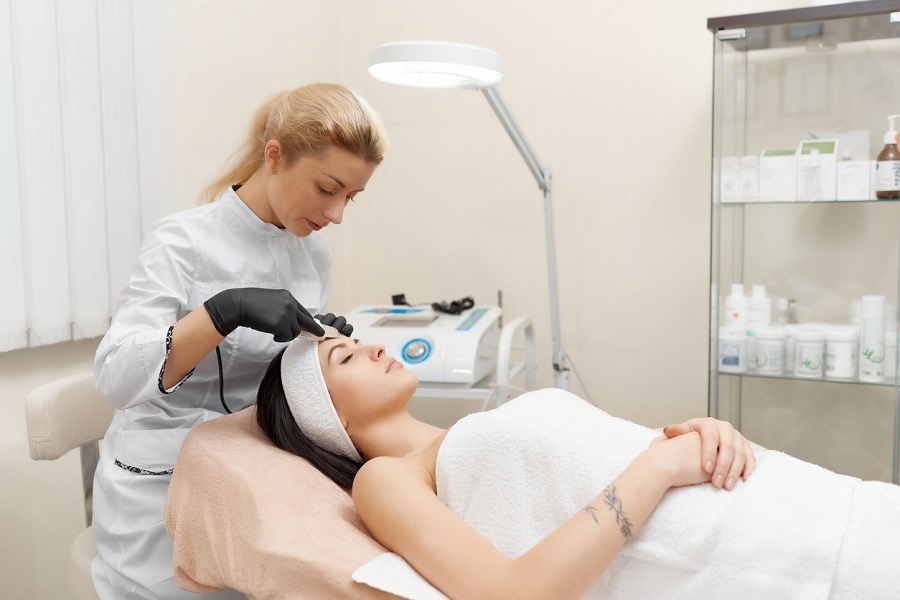
Great skin rarely comes from using more products; it often comes from using the right ones in the right way. A professional assessment can reveal concerns that an ordinary routine may overlook, from uneven texture to stubborn pigmentation. Choosing the Best medical spa can also give you access to trained professionals, customized treatments, and practical advice that supports your everyday skin care habits. The goal is simple: healthier-looking skin and a routine you can realistically maintain.
Start With a Professional Skin Assessment
A strong skin care routine begins with understanding what your skin actually needs. Dryness, excess oil, sensitivity, acne, sun damage, and uneven pigmentation can require very different approaches. Using products based only on trends may sometimes make existing problems worse.
A medical spa can assess your skin and discuss your concerns before recommending treatments or products. Depending on the facility and the services available, professionals may evaluate factors such as skin type, texture, pigmentation, hydration, and visible signs of aging.
This assessment can help eliminate unnecessary steps from your routine. Rather than buying several products and hoping they work, you can focus on options that fit your specific concerns and lifestyle.
Build a Routine Around Your Skin Goals
Skin care works best when each step has a clear purpose. A professional can help you decide which basic products deserve a place in your routine and which extras may not be necessary.
Focus on the Essential Daily Steps
Most people benefit from a straightforward routine rather than a complicated collection of products. A typical approach may include gentle cleansing, moisturizing, and daily sun protection. Additional products can be selected according to individual concerns.
A medical spa professional may also suggest ingredients that suit your skin. For example, someone dealing with dryness may need a different approach from someone concerned about excess oil or occasional breakouts.
Consistency matters, too. A simple routine that you follow regularly is generally more practical than an elaborate plan that becomes difficult to maintain.
Choose Professional Treatments for Specific Concerns
Home care has an important role, but certain concerns may require professional attention. Medical spas can offer a range of cosmetic treatments designed to address particular skin issues.
Available services vary by location, provider qualifications, and state regulations. Treatments may include chemical peels, certain laser procedures, microneedling, facials, or other aesthetic services. Each option has different benefits, limitations, and potential risks.
Match Treatments to Your Skin Condition
The right treatment depends on your skin, goals, medical history, and tolerance for downtime. A professional should explain what a procedure is designed to address and whether it is appropriate for you.
For instance, someone concerned about rough texture may receive different recommendations from someone focused on pigmentation. Similarly, sensitive skin may require a more conservative approach than skin that tolerates stronger treatments.
Ask about expected results, recovery time, possible side effects, and the number of sessions typically recommended. Clear information helps you make a decision based on realistic expectations rather than promises.
Improve Your Understanding of Skin Care Products
Product selection can become confusing because shelves and online stores contain countless cleansers, serums, creams, masks, and treatments. Marketing claims do not always make it easy to determine what your skin really needs.
A medical spa can help you understand the purpose of different ingredients and how they fit into your routine. Professional guidance may also help prevent you from combining too many active ingredients at once.
Introducing several strong products together can cause irritation, dryness, or redness. A gradual approach gives your skin time to adjust and makes it easier to identify which product is helping or causing a problem.
Protect Your Skin From Sun Exposure
Sun protection should remain one of the most important parts of a daily skin care routine. Ultraviolet exposure can contribute to premature skin aging, uneven pigmentation, and other forms of skin damage.
A broad-spectrum sunscreen with an appropriate SPF can help reduce exposure to UVA and UVB radiation. Reapplication is particularly important during extended outdoor activities, especially after swimming or heavy sweating.
Make Sunscreen a Daily Habit
Sunscreen should not be reserved for beach trips or unusually sunny days. UV exposure occurs during ordinary outdoor activities, including walking, commuting, and spending time near windows.
A professional can help you choose a sunscreen based on your skin type and preferences. People with oily skin may prefer lightweight formulas, while those with dry skin may appreciate moisturizing options.
Protective clothing, shade, and hats can provide additional protection. These habits work alongside sunscreen and can make a meaningful difference in long-term skin care.
Address Acne and Breakouts More Strategically
Persistent acne can be frustrating, particularly when random products provide little improvement. Scrubbing aggressively or constantly switching treatments may irritate the skin and make the situation harder to manage.
A medical spa may offer cosmetic treatments that complement an appropriate home routine. However, severe, painful, cystic, or persistent acne may require evaluation by a dermatologist or another qualified medical professional.
Professional guidance can also help you avoid habits that worsen breakouts. Gentle cleansing, suitable moisturization, avoiding unnecessary picking, and choosing non-comedogenic products may support healthier skin.
Support Aging Skin With a Balanced Approach
Changes in collagen, elasticity, hydration, and pigmentation naturally occur with age. A good routine can focus on maintaining skin health rather than trying to achieve unrealistic perfection.
Professional treatments may be considered for concerns such as fine lines, uneven texture, or sun-related changes. Options should be selected according to individual needs, and expectations should remain realistic.
Daily habits remain equally important. Sun protection, gentle cleansing, regular moisturizing, adequate sleep, balanced nutrition, and avoiding tobacco can all support overall skin health.
Know When Professional Advice Is Important
Not every skin concern should be treated with a cosmetic procedure. New, changing, bleeding, or unusual skin growths should be evaluated by an appropriate medical professional rather than treated solely at a medical spa.
People with certain skin conditions, allergies, medications, or medical histories may also need additional precautions. Full disclosure during a consultation helps the provider determine whether a treatment is suitable.
Ask the Right Questions During a Consultation
A consultation becomes more useful when you arrive prepared. Consider asking:
- What is the treatment intended to improve?
- How many sessions might be needed?
- What results are realistic?
- What side effects or risks should I know about?
- How much downtime should I expect?
- What skin care should I follow afterward?
- Which products should I avoid during recovery?
- Who will perform the treatment, and what are their qualifications?
Clear answers can help you compare options and decide whether a particular treatment belongs in your routine.
Choose a Medical Spa Carefully
The quality of your experience depends heavily on the facility and professionals providing care. Research the provider’s qualifications, treatment experience, safety practices, and reputation before scheduling a procedure.
Look for clear information about who performs each treatment. Medical oversight, appropriate training, proper sanitation, and honest communication are important considerations, particularly for procedures involving devices, needles, or stronger chemical agents.
A trustworthy medical spa should also discuss limitations rather than promising perfect results. Be cautious of claims that sound too good to be true or pressure you to purchase several treatments immediately.
Follow Aftercare Instructions Closely
Professional treatments often require temporary changes to your normal skin care routine. Ignoring aftercare instructions can increase irritation and interfere with recovery.
Your provider may recommend avoiding certain active ingredients, excessive heat, direct sun exposure, or strenuous activities for a specific period. The instructions depend on the procedure, so follow the guidance given for your particular treatment.
Gentle products can be especially useful during recovery. Avoid adding new products simply because your skin appears dry, tight, or slightly different after treatment. Contact the provider if you experience unexpected or severe symptoms.
Combine Professional Care With Healthy Habits
Professional treatments cannot replace everyday skin care. Their value is often greatest when they complement habits that protect and maintain the skin between appointments.
Consistency gives your skin routine a better chance to produce steady results. Cleansing appropriately, moisturizing when needed, protecting against UV exposure, and avoiding unnecessary irritation can support the effects of professional care.
Your lifestyle also matters. Adequate hydration, nutritious food choices, sufficient sleep, stress management, and avoiding smoking can contribute to general skin health. These habits may seem ordinary, but they form the foundation of long-term care.
Track Your Skin Care Progress
Keeping track of changes can make your routine more effective. Take occasional photos under similar lighting and note which products or treatments you use. This approach can help you recognize gradual improvements that may be difficult to notice from day to day.
Avoid judging a treatment immediately after a procedure. Some services produce temporary redness or require several sessions before visible changes become apparent. Your provider can explain the expected timeline and help determine whether adjustments are appropriate.
A written routine can also prevent accidental overuse. Record when you introduce new products and give your skin enough time to respond before adding another active ingredient.
Conclusion
A better skin care routine does not necessarily require more products or frequent treatments. Professional guidance can help you understand your skin, select suitable options, address specific concerns, and avoid habits that may cause unnecessary irritation. A medical spa can be useful as part of that process, particularly when its services are provided by properly trained professionals who prioritize safety and realistic results. Pairing appropriate professional treatments with sunscreen, gentle products, healthy habits, and consistent care creates a practical approach to maintaining healthier-looking skin. The most effective routine is one that fits your skin’s needs and remains manageable over time.