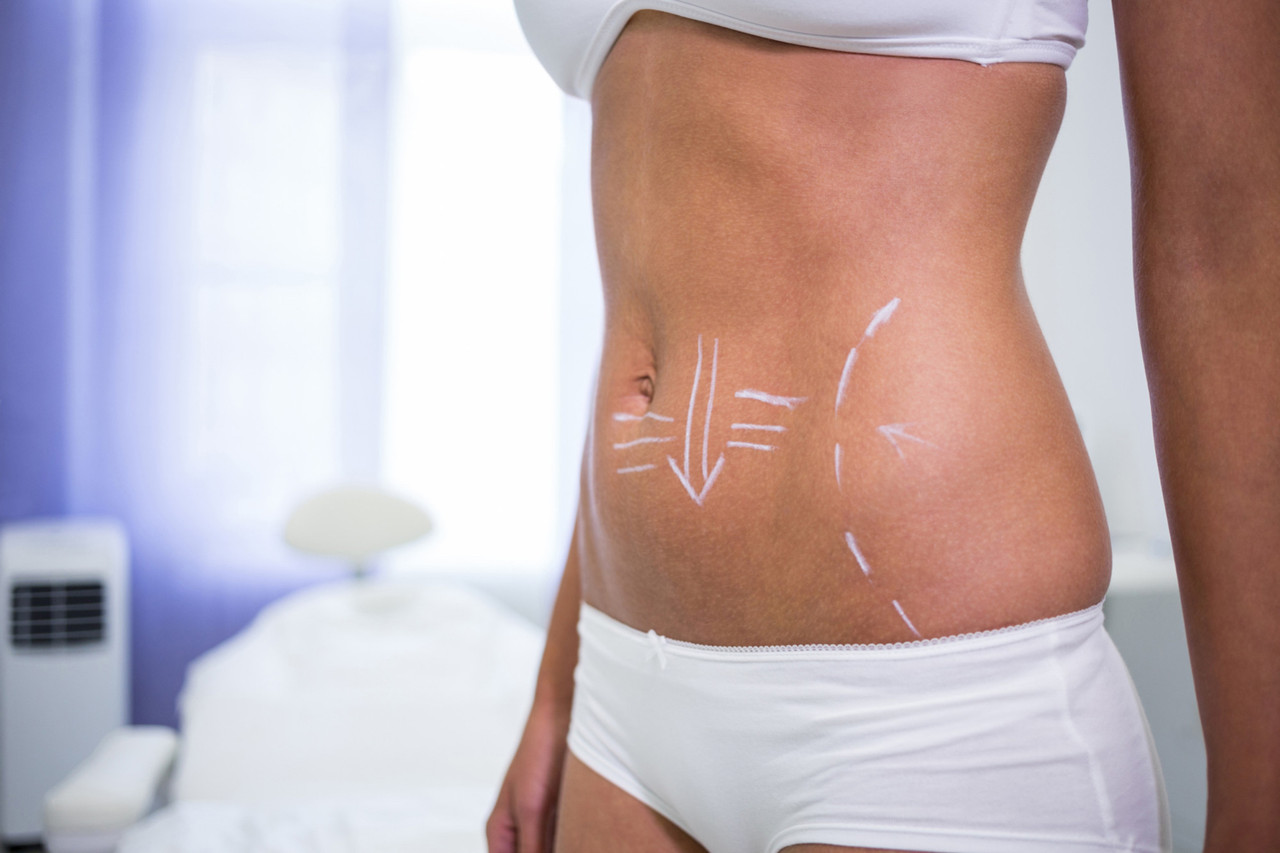
A mini tummy tuck is a body contouring procedure designed to address excess skin and tissue primarily in the lower abdominal area. Compared with a full tummy tuck, the procedure generally focuses on the area below the belly button and may involve a smaller incision and a more limited surgical approach.
For people researching Mini Tummy Tuck Dubai, understanding how the procedure is planned and performed can make it easier to know what to expect during a surgical consultation. The process involves more than simply removing excess skin. Surgeons assess abdominal anatomy, skin laxity, muscle condition, the position of the belly button, and the patient’s overall goals before deciding whether a mini tummy tuck is appropriate.
At Cornerstone, patients can discuss their concerns and learn how a mini tummy tuck may be tailored to their abdominal structure. This guide explains the main stages of the surgical process, from consultation and planning through the procedure and recovery.
What Is a Mini Tummy Tuck?
A mini tummy tuck, also called a mini abdominoplasty, is a surgical procedure that focuses primarily on the lower abdomen.
The procedure is generally considered for individuals who have a relatively limited amount of excess skin or tissue concentrated below the belly button. Unlike a full tummy tuck, the surgical area is more restricted.
The exact technique varies according to the patient’s anatomy. In some cases, the surgeon may address the abdominal wall in the lower region, while in others the focus may primarily be on removing and tightening excess skin.
Understanding the difference between a mini and full tummy tuck is important because the procedures address different anatomical areas.
Who May Consider a Mini Tummy Tuck?
A mini tummy tuck may be considered by individuals who have concerns about loose or excess skin concentrated in the lower abdomen.
Some people notice these changes after pregnancy, weight fluctuations, or natural changes in skin elasticity. Others may have a lower abdominal contour that does not respond to lifestyle changes in the way they would prefer.
The key factor is the location and extent of the tissue that needs to be addressed.
During consultation, the surgeon evaluates whether the concerns are limited enough for a mini approach or whether a more comprehensive abdominal procedure would better address the patient’s anatomy.
The Initial Consultation
The surgical process begins with an individualized consultation.
During this appointment, the surgeon assesses the abdomen and discusses the patient’s concerns and aesthetic goals. The assessment may include the amount of excess skin, the quality of the skin, abdominal contours, muscle condition, and the relationship between the upper and lower abdomen.
The position of the belly button is also considered because it helps determine whether a mini or full approach is more appropriate.
Patients should explain what they would like to change and whether they have previously undergone abdominal surgery. This information helps the surgeon develop a suitable surgical plan.
For those considering Mini Tummy Tuck Dubai, the consultation is also an opportunity to ask questions about incision placement, tissue removal, recovery, and expected changes in abdominal contour.
Assessing Abdominal Skin
Skin quality is an important part of surgical planning.
The surgeon looks at how much excess skin is present and where it is located. If most of the laxity is below the belly button, a mini tummy tuck may be considered.
The surgeon may also assess stretch marks, skin elasticity, and how the skin folds when the patient stands or sits.
These observations help determine how much tissue can be removed and how the remaining skin can be repositioned.
Evaluating the Abdominal Muscles
The condition of the abdominal muscles is another consideration.
Pregnancy and significant changes in body weight can sometimes affect the relationship between the abdominal muscles and surrounding tissues. During the examination, the surgeon may assess whether there is any separation or laxity in the abdominal wall.
Not every mini tummy tuck requires muscle repair. The need for any abdominal wall adjustment depends on the individual anatomy and surgical objective.
This is one reason why a physical assessment is important before deciding on the procedure.
Determining Mini Versus Full Tummy Tuck
One of the most important decisions is determining whether a mini tummy tuck can adequately address the patient’s concerns.
A mini procedure generally focuses on the lower abdomen. A full tummy tuck addresses a broader area and usually involves repositioning the belly button as part of the surgical process.
If excess skin extends significantly above the belly button or there are more extensive abdominal concerns, the surgeon may discuss a full tummy tuck instead.
The recommendation is therefore based on anatomy rather than simply the amount of skin a patient wants removed.
Planning the Incision
Once the surgical approach has been determined, the incision is planned.
A mini tummy tuck typically involves an incision across the lower abdomen. The length and position depend on the amount of tissue that needs to be removed and the patient’s body shape.
Surgeons generally plan the incision in a location that can be concealed beneath common underwear or swimwear.
The exact incision design varies from patient to patient and should be discussed during the consultation.
Preparing the Surgical Area
On the day of surgery, the surgical team prepares the abdominal area according to the agreed treatment plan.
The surgeon may make markings while the patient is standing to identify important anatomical landmarks and establish the planned tissue-removal area.
These markings help guide the procedure and allow the surgeon to maintain the intended proportions of the lower abdomen.
The surgical team then follows the appropriate preparation process before the procedure begins.
Removing Excess Lower Abdominal Skin
During a mini tummy tuck, the surgeon removes a planned amount of excess skin and tissue from the lower abdominal area.
The amount removed is carefully determined before surgery. The objective is to improve the lower abdominal contour while maintaining appropriate proportions with the surrounding tissues.
Because the procedure is more limited than a full tummy tuck, the area of skin elevation and tissue adjustment is generally smaller.
The surgical approach can vary depending on the patient’s anatomy and whether additional tissue adjustment is required.
Tightening the Lower Abdominal Area
Depending on the patient’s anatomy, the surgeon may address the underlying abdominal wall.
If muscle laxity or separation is present in the lower abdominal area, the surgeon may discuss whether muscle tightening should form part of the procedure.
This step is not identical for every patient. Some individuals may primarily need skin removal, while others may benefit from additional contouring of the underlying abdominal structures.
The final surgical plan is determined during the preoperative assessment.
What Happens to the Belly Button?
The position of the belly button is an important difference between mini and full tummy tuck procedures.
In many mini tummy tuck techniques, the belly button remains in its existing position because the procedure focuses on the lower abdominal area.
However, the exact approach depends on how much tissue needs to be removed and the patient’s anatomy.
During consultation, the surgeon can explain whether the belly button is expected to remain unchanged and how the planned skin movement will affect its appearance.
Closing the Incision
After the planned tissue adjustments have been completed, the surgeon closes the incision using appropriate surgical techniques.
The remaining skin is positioned to create a smoother lower abdominal contour.
The incision is then managed according to the surgeon’s postoperative protocol.
The final shape is influenced by the amount of skin removed, the underlying abdominal structure, skin elasticity, and the surgical technique used.
Recovery After a Mini Tummy Tuck
Recovery is an important part of the overall surgical process.
Immediately after surgery, patients receive postoperative instructions regarding wound care, movement, support garments, and activity.
The early recovery period generally involves allowing the abdominal tissues to settle and heal. Patients may need to temporarily modify their normal routine and gradually return to everyday activities according to their surgeon’s instructions.
The timeline differs from one person to another, so personalized advice is more useful than relying on a fixed recovery schedule.
Returning to Normal Activities
The timing for returning to work, exercise, and other activities depends on the nature of the patient’s work and the extent of the procedure.
People with desk-based jobs may have different requirements from those whose work involves lifting or physical activity.
Exercise is usually reintroduced gradually according to the surgeon’s guidance.
Following the recommended activity progression gives the abdominal tissues time to heal before more demanding movements are resumed.
Follow-Up Appointments
Follow-up appointments form an important part of postoperative care.
During these appointments, the surgeon can evaluate healing and monitor the developing abdominal contour.
Patients can also discuss changes they notice during recovery and ask questions about returning to specific activities.
The number and timing of follow-up visits depend on the individual surgical plan and the surgeon’s preferred postoperative protocol.
Mini Tummy Tuck Versus Full Tummy Tuck
Understanding the difference between mini and full tummy tuck surgery can help patients make informed decisions.
A mini tummy tuck is generally focused on the lower abdomen and usually involves a more limited area of skin removal.
A full tummy tuck addresses a larger portion of the abdomen and commonly involves repositioning the belly button. It may also involve more extensive abdominal wall adjustment.
Neither procedure is automatically better than the other. The appropriate choice depends on where excess skin and abdominal laxity are located.
Mini Tummy Tuck and Liposuction
Some patients may also have localized areas of excess fat around the abdomen or flanks. In selected cases, liposuction may be discussed alongside a mini tummy tuck.
These procedures address different concerns. A tummy tuck primarily focuses on excess skin and abdominal contour, while liposuction removes localized fat deposits.
Whether combining procedures is appropriate depends on the patient’s anatomy, goals, and overall treatment plan.
Maintaining the Results
A mini tummy tuck can create a change in the contour of the lower abdomen, but the body continues to change naturally over time.
Maintaining a relatively stable weight and following a healthy lifestyle can help preserve the overall contour achieved through surgery.
Future pregnancy or substantial weight changes may alter the abdominal tissues and affect the appearance of the treated area.
For this reason, the timing of surgery can be an important topic to discuss during consultation.
Why Individualized Surgical Planning Matters
Every abdomen has a different structure. The amount of skin laxity, location of excess tissue, abdominal muscle condition, and body proportions vary significantly between individuals.
A standardized approach may therefore not provide the same outcome for everyone.
For patients considering Mini Tummy Tuck Dubai, an individualized assessment allows the surgeon to determine whether a mini procedure is suitable and which surgical steps are necessary.
At Cornerstone, consultation can focus on understanding the patient’s concerns and creating a treatment plan based on their anatomy and desired abdominal contour.
Conclusion
A mini tummy tuck is a focused abdominal contouring procedure designed primarily for concerns affecting the lower abdomen. The surgical process begins with detailed assessment and planning, followed by incision design, removal of selected excess tissue, possible adjustment of the abdominal wall, and careful closure.
Understanding each stage can help patients prepare for consultation and develop realistic expectations about the procedure. The distinction between a mini and full tummy tuck is particularly important because each technique addresses different areas of the abdomen.
For individuals researching Mini Tummy Tuck Dubai, discussing abdominal anatomy, incision placement, muscle condition, belly-button position, recovery, and long-term expectations with a qualified surgeon can help ensure that the planned approach is appropriate for their individual needs.
Frequently Asked Questions
What is a mini tummy tuck?
A mini tummy tuck is a form of abdominoplasty that primarily focuses on excess skin and contour concerns in the lower abdomen. It generally involves a more limited surgical area than a full tummy tuck.
How is a mini tummy tuck different from a full tummy tuck?
A mini tummy tuck generally focuses on the area below the belly button, while a full tummy tuck addresses a larger portion of the abdomen and commonly involves repositioning the belly button.
Does a mini tummy tuck always involve muscle tightening?
No. Muscle tightening depends on the individual’s abdominal anatomy and the surgical findings. Some patients primarily require skin removal, while others may need additional abdominal wall adjustment.
Is the belly button moved during a mini tummy tuck?
In many mini tummy tuck procedures, the belly button remains in its original position. However, the exact approach depends on the amount of skin being removed and the patient’s anatomy.
Where is the mini tummy tuck incision placed?
The incision is generally positioned across the lower abdomen. Its exact length and location depend on the patient’s body shape and the amount of tissue that needs to be removed.
Can a mini tummy tuck be combined with liposuction?
In selected cases, liposuction may be combined with a mini tummy tuck to address localized areas of excess fat. The suitability of combining procedures is determined during the surgical assessment.
How long does recovery after a mini tummy tuck take?
Recovery varies between individuals and depends on the surgical technique and extent of treatment. Your surgeon will provide specific instructions about activity, work, exercise, and follow-up care.
Can a mini tummy tuck remove all abdominal fat?
No. A mini tummy tuck primarily addresses excess skin and abdominal contour. Localized fat may be treated separately with liposuction when appropriate.
Is a mini tummy tuck suitable after pregnancy?
It may be considered by some individuals following pregnancy, particularly when excess lower abdominal skin remains. An assessment is necessary to determine whether the concerns are suitable for a mini or full tummy tuck.
When should I consider a mini tummy tuck instead of a full tummy tuck?
The decision depends mainly on where excess skin and abdominal laxity are located. If the concerns are primarily limited to the lower abdomen, a mini tummy tuck may be considered. More extensive changes may require a full tummy tuck.
What should I discuss during a mini tummy tuck consultation?
You should discuss your abdominal concerns, skin laxity, muscle condition, incision placement, belly-button position, possible combination procedures, recovery, and your desired abdominal contour. These details help the surgeon create an individualized treatment plan.