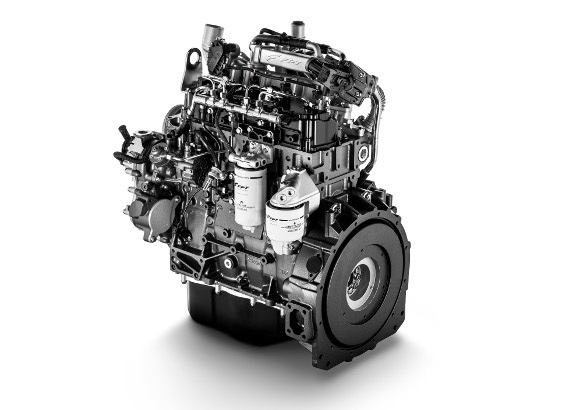
Browsing listings for FPT engines for sale can move fast, a promising ad, a decent-looking price, and a seller who wants an answer today. But an engine is a major investment, and the mistakes that show up after the order ships are rarely cheap to fix. Before you commit, here’s exactly what to verify so you don’t end up with the wrong engine, a vague spec sheet, or a supplier who disappears the moment there’s a problem.
The Real Cost of Buying the Wrong Engine
The most expensive mistake in this process isn’t a slightly high price, it’s ordering an engine that turns out to be the wrong one. Wrong displacement, wrong emissions configuration, wrong mounting pattern, or a unit that simply isn’t rated for your application. By the time the issue surfaces, you’ve often paid for shipping, lost weeks of downtime, and are now negotiating a return with a seller who may not make it easy. A few minutes of verification upfront is far cheaper than unwinding a bad order.
1. Get the Exact Specification, Not a General Description
Listings that describe a unit simply as one of several FPT Iveco diesel engines without a model code, displacement, or power rating should raise questions. Ask the seller for the full engine code, serial number, and rated output before you agree to anything. A legitimate supplier will have this information readily available; one who can’t or won’t provide it is a sign to keep looking.
2. Confirm Application Compatibility Before You Buy
An FPT Iveco engine that performs well in one application, a generator, for example, isn’t automatically a fit for another, such as marine propulsion or agricultural equipment. Mounting points, cooling configuration, PTO requirements, and emissions certification can all differ between variants that otherwise look identical. Confirm in writing that the specific unit you’re ordering is rated and configured for your intended use, not just that it’s the right general engine family
- Cross-check the engine code against your equipment manufacturer’s approved specification.
- Ask whether the unit has been used in a comparable application before.
- Confirm emissions certification matches your region’s requirements, if applicable.
3. Don’t Accept Vague Condition Reports
“Good condition” and “runs great” mean very little without supporting detail. Ask for hours run, service history, the reason the engine was removed from its previous application, and photos or video of it running if possible. If a seller is reluctant to provide this, treat it as a signal that the engine’s history may not hold up to scrutiny.
4 Get Warranty Terms in Writing, Before You Pay
A warranty that’s only discussed verbally isn’t a warranty, it’s a hope. Before ordering, get the coverage period, what’s included, and the claims process confirmed in writing. This matters just as much whether you’re buying Iveco engines new, reconditioned, or used, since the risk profile and reasonable warranty expectations differ significantly between each.
5. Check the Supplier’s Track Record, Not Just the Listing
The listing tells you about the engine; it doesn’t tell you much about the seller. Look for a documented business history, verifiable customer reviews, and a real, contactable address, not just a marketplace profile with no traceable background. A reliable supplier will be transparent about sourcing and won’t be difficult to reach if something needs to be resolved after the sale.
Quick Reference: What to Ask Before You Order
| Before You Order | Ask For | Red Flag |
| Exact model & spec | Full engine code, displacement, and power rating in writing | Only a general family name (e.g. “FPT diesel”) with no code |
| Application fit | Confirmation it matches your equipment’s duty cycle and mounting | Seller assumes fit based on brand alone |
| Condition history | Hours run, service records, reason for removal | “Runs great” with no supporting documentation |
| Warranty terms | Written coverage period and claims process | Verbal promises only, or warranty mentioned after purchase |
| Supplier track record | Verifiable reviews, years in business, real contact details | No physical address or unverifiable business history |
The Bottom Line
Buying an engine sight unseen always carries some risk, but that risk is manageable with the right questions asked at the right time. Confirm the exact specification, verify it’s suited to your application, get an honest condition report, secure the warranty in writing, and check who you’re actually buying from. Sellers who welcome these questions are usually the ones worth ordering from; those who avoid them are telling you something too.