Introduction
Power distribution modules are essential components in industrial control systems, particularly in turbine operations where reliability and precision are critical. Developed by General Electric, these modules ensure that electrical power is efficiently distributed to various subsystems, supporting smooth and uninterrupted performance. Understanding their common issues and proper maintenance strategies is key to minimizing downtime and extending equipment life.
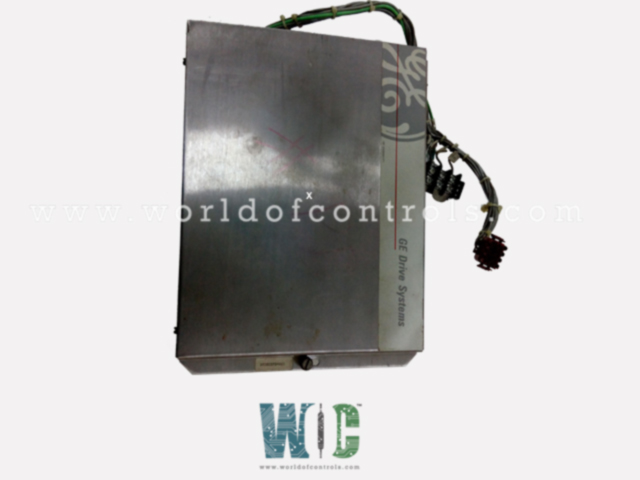
Understanding GE Power Distribution Modules in Turbine Systems
In turbine environments—such as gas and steam turbines—power distribution modules serve as the central hub for electrical flow. They supply regulated power to control circuits, monitoring devices, and auxiliary systems that are crucial for safe turbine operation.
These modules are designed to handle complex electrical loads while protecting sensitive components from irregularities such as voltage spikes or short circuits. In modern turbine control systems, they play a vital role in maintaining operational stability, ensuring that all connected systems function in harmony. Their reliability directly impacts the overall efficiency and safety of turbine performance.
Common Issues in Power Distribution Modules
1. Overheating
Overheating is a frequent concern, often caused by excessive electrical load, inadequate ventilation, or dust buildup. Elevated temperatures can damage internal components and reduce the module’s operational lifespan.
2. Loose or Corroded Connections
Turbine systems often operate under high vibration, which can loosen electrical connections over time. Additionally, exposure to moisture or harsh environments may lead to corrosion, resulting in unstable power delivery.
3. Component Degradation
Electronic components naturally degrade with age. Capacitors, connectors, and other internal parts may lose efficiency, leading to inconsistent performance or sudden failure if not addressed.
4. Voltage Irregularities
Power surges, spikes, or fluctuations can negatively affect module performance. Since turbine control systems rely on stable voltage, such irregularities can disrupt operations and damage sensitive electronics.
5. Internal Circuit Faults
Failures within the circuit board—such as damaged traces or malfunctioning components—can interrupt power distribution. These issues typically require detailed diagnostics and, in some cases, replacement.
Maintenance Tips for Optimal Performance
Routine Inspections
Regular inspections help identify early warning signs such as discoloration, unusual odors, or loose wiring. Detecting problems early can prevent major system failures.
Clean Operating Environment
Maintaining a clean environment is essential for preventing dust accumulation, which can block airflow and lead to overheating. Periodic cleaning ensures efficient cooling and operation.
Secure Electrical Connections
Ensuring all connections are tight and properly secured is especially important in vibration-heavy turbine systems. This reduces the risk of intermittent faults and power loss.
Monitor System Conditions
Using monitoring tools to track temperature, load, and voltage levels allows operators to detect abnormalities in real time and take corrective action before issues escalate.
Scheduled Component Replacement
Preventive maintenance should include replacing aging or worn components before they fail. This proactive approach improves reliability and reduces unexpected downtime.
Implement Surge Protection
Installing surge protection devices helps shield modules from sudden voltage spikes, preserving the integrity of internal circuitry and extending service life.
Conclusion
GE power distribution modules are a cornerstone of reliable turbine operation, ensuring consistent and controlled power delivery across complex systems. By understanding common issues such as overheating, connection problems, and component wear—and by applying effective maintenance practices—operators can significantly enhance system reliability and efficiency. A proactive maintenance approach not only reduces operational risks but also supports long-term performance in demanding turbine environments.