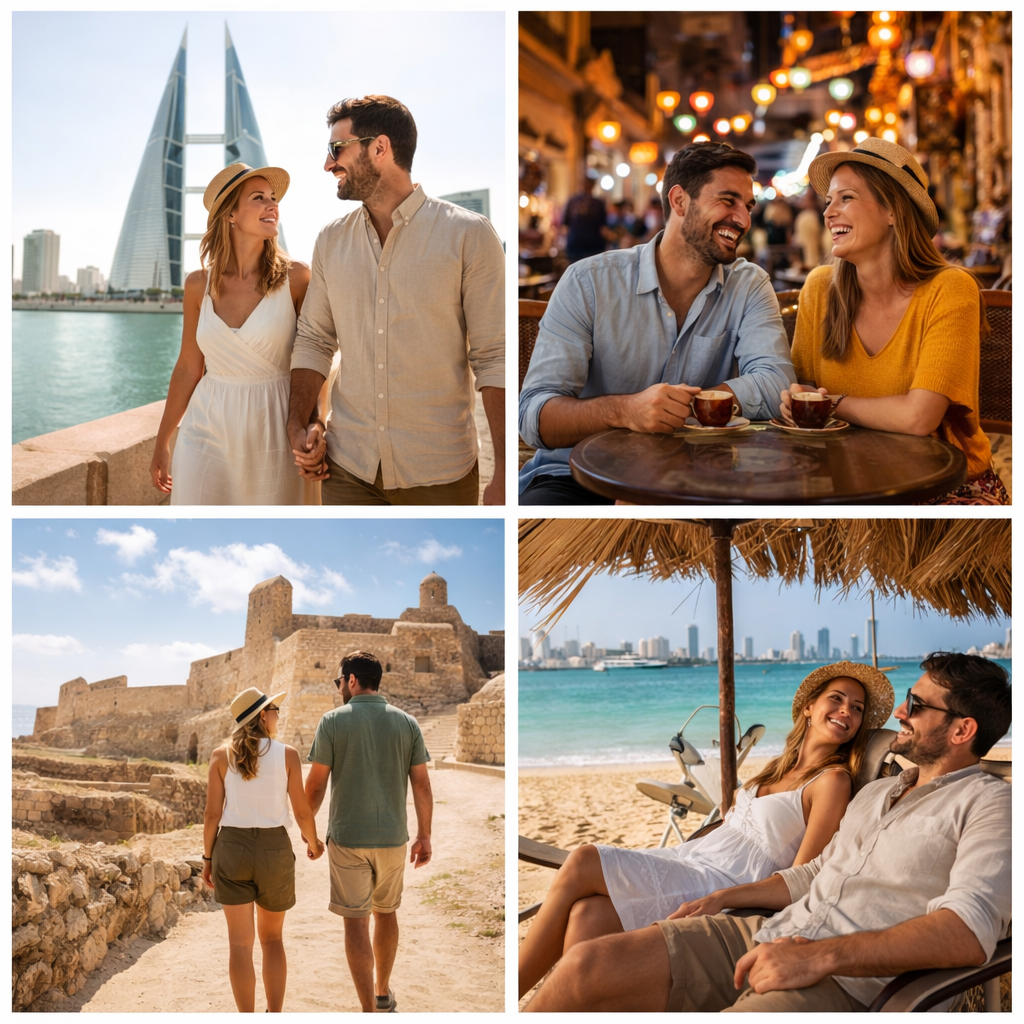
Traveling from the lush rainforests of Central America to the vibrant island nation of Bahrain is an exciting prospect for many Costa Rican adventurers and business professionals. Whether you are planning to explore the historic Qal’at al-Bahrain or attend a high-profile business meeting in Manama, obtaining the correct travel authorization is your first step.
The Bahrain eVisa for Costa Rica citizens has streamlined the entry process, removing the need for traditional embassy visits. This guide provides an in-depth look at the available visa types, documentation, and practical travel tips to ensure your Middle Eastern journey is seamless.
What are the Bahrain eVisa options for Costa Rican nationals?
Bahrain offers a variety of electronic visas tailored to different travel needs. Costa Rican citizens can choose from tourist, family, and business categories, each with specific stay durations and validity periods.
Tourist eVisa Types:
14-Day Single Entry: Ideal for a quick getaway or a short business stopover. Valid for 14 days from issuance.
30-Day Multiple Entry: Perfect for those planning to explore neighboring Gulf countries and return to Bahrain. Valid for 90 days.
90-Day Multiple Entry: Best for extended vacations. This visa remains valid for one full year.
Family eVisa Types:
2-Week Single Entry: Designed for brief family visits.
30-Day Multiple Entry: Allows for multiple visits within a 90-day validity window.
90-Day Multiple Entry: A long-term option valid for one year, perfect for visiting relatives frequently.
Business eVisa Types:
14-Day Single Entry: A standard choice for attending conferences or meetings.
30-Day Multiple Entry: Flexible for professionals with ongoing projects in the region.
90-Day Multiple Entry: A year-long validity option for frequent business travelers.
Which documents are required for the Bahrain eVisa application?
The documentation depends on your residency status and the specific “Group” your application falls under. Most Costa Rican citizens applying from outside the Gulf region follow the standard Group B or Group C requirements.
Standard Requirements (Group B & C):
Valid Passport: Must have at least 6 months of validity remaining from your date of entry.
Travel Ticket: A copy of your confirmed return or onward flight ticket.
Accommodation Proof: A hotel booking confirmation or an invitation letter from a resident.
Financial Proof: Often required in the form of a bank statement showing a minimum balance (typically around $1,000 USD).
Simplified Requirements (Group A & GCC Residents):If you hold a valid GCC Residence Permit (from Saudi Arabia, UAE, Kuwait, Oman, or Qatar), you benefit from a simplified process.
GCC Permit: A digital copy of your valid residence visa.
Core Documents: Passport and flight details only.
How long does it take to process a Bahrain eVisa?
When applying for a Bahrain eVisa, processing times are structured into three tiers to match the urgency of your travel plans. It is generally recommended to submit your application at least 10 days before your flight to accommodate any public holidays in the Kingdom of Bahrain. Normal processing usually takes 6–8 working days and is ideal for travelers planning their trips well in advance. Rush processing speeds up the turnaround to 5–7 working days, making it suitable for last-minute planners who need their eVisa quickly. For urgent travel or emergency situations, Super Rush processing is available, with approvals typically issued within 4–6 working days. Choosing the right processing tier ensures that your travel plans remain smooth and stress-free.
What are the fees for a Bahrain eVisa?
The total cost of your visa is calculated by combining several components. Understanding these helps you budget correctly for your trip.
Government Fee: This is the mandatory cost charged by the Bahraini authorities for processing the visa itself.
Service Fee: This covers the digital platform’s handling, document verification, and 24/7 support.
Urgency Fees: If you select “Rush” or “Super Rush” processing, an additional fee is added to the total.
Total Fee = Government Fee + Service Fee + (Optional Urgency Fee)
How to apply for a Bahrain eVisa?
The application process is entirely digital and can be completed in four straightforward steps:
Check Eligibility: Enter your nationality and purpose of visit on the application portal.
Fill the Form: Provide your personal details exactly as they appear on your passport.
Upload Documents: Attach clear scans of your passport, tickets, and accommodation proof.
Pay Fees: Use a secure payment method to finalize the submission.
Once submitted, you will receive a reference number to track your status. Upon approval, the eVisa is sent directly to your email.
How much cash should I carry when visiting Bahrain?
When visiting Bahrain, carrying an appropriate amount of cash can make your trip smoother, though most payments can also be made with cards. Here’s a quick guide:
Small Expenses: Keep some Bahraini Dinar (BHD) for small purchases like taxis, street food, or local markets.
Cards Are Widely Accepted: Credit and debit cards are accepted in most hotels, restaurants, and shopping centers.
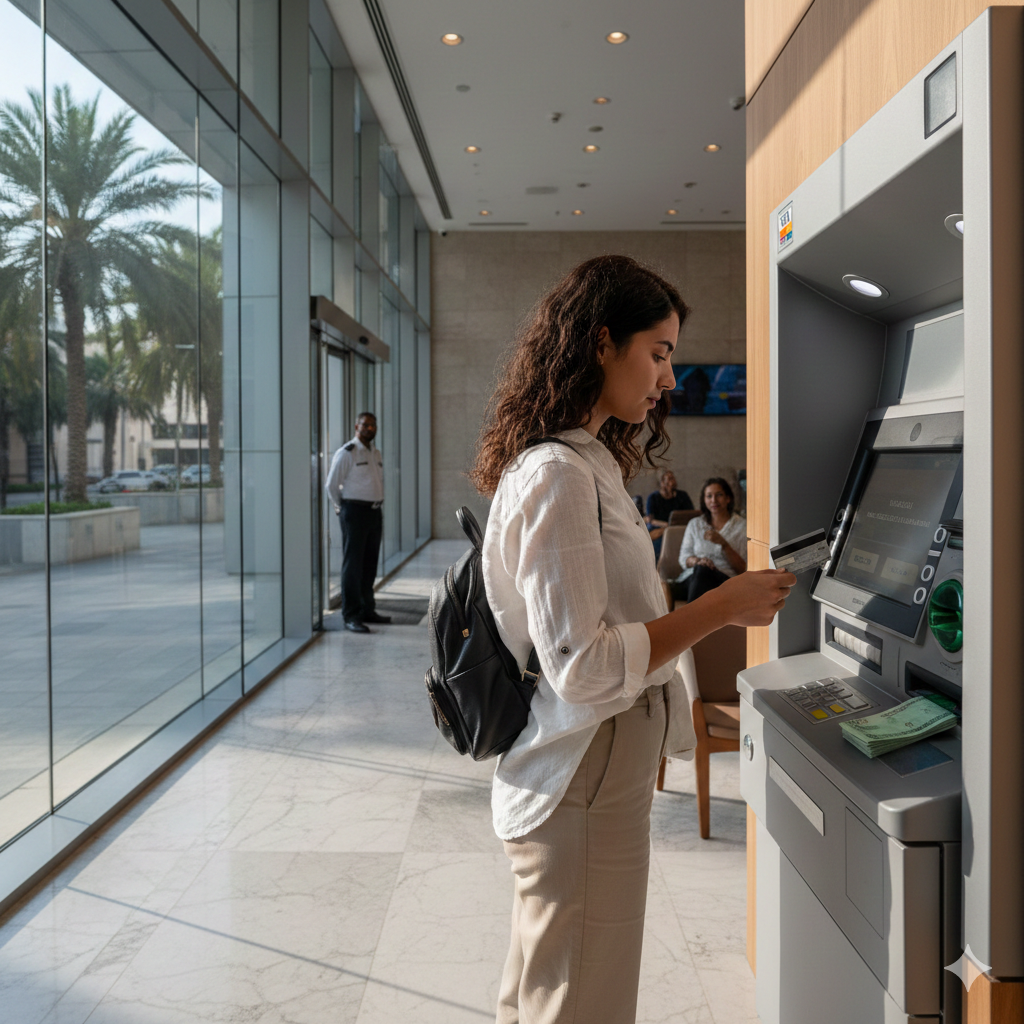
ATMs Availability: ATMs are plentiful in cities, making it easy to withdraw cash when needed.
Emergency Cash: Always have a small reserve for emergencies or places that may not accept cards.
Currency Exchange: Use official exchange centers or banks for better rates rather than street exchangers.
Can I use cards in Bahrain as a tourist?
Yes. Bahrain has a robust financial infrastructure. Major credit and debit cards like Visa and Mastercard are accepted at almost all hotels, high-end restaurants, malls, and even many smaller shops. Contactless payment is the norm in urban areas like Manama and Muharraq.
Are ATMs easily available for Bahrain travelers?
ATMs in Bahrain are widely accessible, making it convenient for travelers to manage cash during their trip. Here’s what you need to know:
City Coverage: ATMs are readily available in major cities like Manama, Muharraq, and tourist hotspots.
Bank Compatibility: Most ATMs accept international cards, including Visa, Mastercard, and Maestro.
24/7 Access: Many ATMs operate around the clock, allowing withdrawals at any time.
Currency Dispensed: ATMs typically dispense Bahraini Dinar (BHD), the local currency.
Safety Tips: Use ATMs in well-lit, secure locations, such as inside banks, malls, or hotels.
What plug type is used in Bahrain for electronics?
When traveling to Bahrain, knowing the type of electrical plugs and voltage is important to keep your devices charged and ready. Here’s a quick guide:
Plug Type: Bahrain primarily uses Type G plugs, which have three rectangular pins in a triangular formation.
Voltage and Frequency: The standard voltage is 230V with a frequency of 50Hz.
Adapter Requirement: Travelers from countries with different plug types will need a suitable plug adapter.
Compatibility: Many modern devices like laptops and phone chargers support 100–240V, but it’s best to check before plugging in.
Availability: Adapters can be purchased at airports, electronics stores, or hotels in Bahrain.
When is the best time to visit Bahrain for tourism?
Choosing the right time to visit Bahrain can make your trip much more enjoyable, as the climate and local events vary throughout the year. Here’s a guide for tourists:
Optimal Weather: The best time to visit is during October to April, when temperatures are cooler and more comfortable for sightseeing.
Avoid Summer Heat: From May to September, Bahrain experiences very high temperatures, making outdoor activities challenging.
Cultural Events: Visiting during cooler months allows you to enjoy festivals, cultural events, and outdoor markets comfortably.
Tourist Crowds: Planning your trip during the shoulder seasons (October–November or March–April) can help avoid peak tourist crowds.
Outdoor Activities: Cooler months are ideal for exploring historical sites, beaches, and desert adventures.
What are the alcohol rules in Bahrain for tourists?
When visiting Bahrain, understanding the alcohol rules is important to respect local laws and avoid any legal issues. Here’s a guide for tourists:
Legal Age: The legal drinking age in Bahrain is 21 years.
Licensed Venues Only: Tourists can only consume alcohol in licensed hotels, bars, and restaurants.
No Public Drinking: Drinking alcohol in public places or streets is strictly prohibited.
Purchase Restrictions: Alcohol can be bought at licensed outlets, but home consumption requires special permits for residents.
Respect Local Customs: Bahrain is a Muslim country, so it’s important to drink responsibly and avoid excessive behavior.
Which medicines am I allowed to bring to Bahrain?
You can bring personal medications, but you must follow these guidelines to avoid issues at customs:
Prescription: Always carry the original doctor’s prescription.
Labeling: Keep medicines in their original packaging.
Controlled Substances: Some painkillers or psychiatric medications that are legal in Costa Rica may be controlled in Bahrain. If you carry such items, ensure you have a notarized medical report.
Conclusion:
Navigating the Bahrain eVisa process for Costa Rica citizens is a straightforward experience designed to encourage tourism and business exchange. By selecting the right visa type whether it’s a 14-day single entry for a quick visit or a year-long multiple entry for frequent stays you set the stage for a successful trip. Remember to prepare your documents like your 6-month valid passport and flight itinerary in advance to avoid delays. Once you arrive, you will find a country that masterfully blends ancient history with ultra-modern convenience, from widespread card acceptance to high-speed 5G connectivity. As long as you respect local laws regarding alcohol and carry the necessary medical documentation, your visit to the Pearl of the Gulf will be both memorable and hassle-free.