Living with reduced mobility should never mean reduced independence. Whether you are recovering from surgery, managing a long-term condition, or caring for an aging loved one, having access to the right equipment at the right time can make all the difference. Toronto has a growing ecosystem of mobility support services — but knowing what to look for, and where to find it, is the first step toward regaining freedom of movement.
This guide walks you through everything you need to know about mobility aids in the Greater Toronto Area, from permanent accessibility installations to flexible short-term rental options.
Why Mobility Aids Matter More Than Ever
Canada’s aging population is accelerating demand for accessibility solutions across the country. According to Statistics Canada, nearly 1 in 4 Canadians aged 15 and over lives with a disability that limits daily activity — and mobility-related challenges rank among the most common. For Toronto residents, this translates into a real and growing need for equipment that enables safe, dignified movement at home, in medical facilities, and in community spaces.
Whether the need is temporary or permanent, having access to quality mobility solutions Toronto residents can rely on is no longer a luxury — it is an essential part of healthcare planning.
Understanding Your Options: Types of Mobility Equipment
1. Manual Wheelchairs
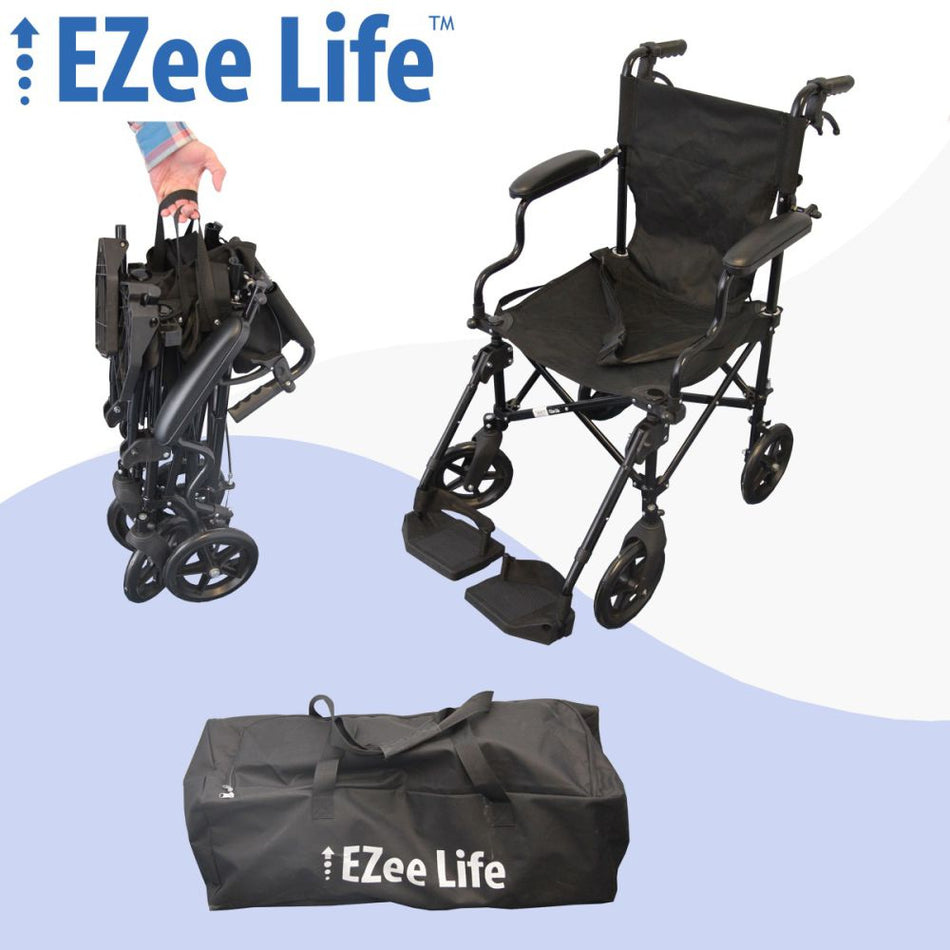
Manual wheelchairs remain the most widely used mobility device globally. They are lightweight, easy to transport, and suitable for users who have upper body strength or a caregiver to assist with propulsion. They work well indoors and on flat surfaces but may be challenging on inclines or rough terrain.
2. Power / Electric Wheelchairs
Power wheelchairs are battery-operated and controlled by a joystick or alternative input device, giving users maximum independence. They are ideal for individuals who have limited upper body strength or need to cover longer distances. If you are exploring powered options, you can browse a comprehensive selection of power electric wheelchair rental options that suit different mobility needs and budgets.
3. Scooters and Transport Chairs
Mobility scooters are popular for outdoor use and longer distances. Transport chairs, on the other hand, are lightweight and designed primarily for caregiver-assisted movement over short trips — such as medical appointments or hospital visits.
4. Rollators and Walkers
For individuals who can bear some weight, rollators (wheeled walkers with seats) and standard walkers offer stability and confidence. They bridge the gap between full mobility and wheelchair use.
What Is a Wheelchair Lift and Do You Need One?
A wheelchair lift is a mechanical platform that raises or lowers a wheelchair user between floor levels — providing accessibility where ramps are not feasible due to space constraints or structural limitations.
Common Applications of Wheelchair Lifts
Residential Use: Homes with multiple floors often install vertical platform lifts to allow wheelchair users to move between levels without relocating. These can be installed indoors or outdoors and require minimal structural modification compared to full elevator systems.
Commercial and Public Buildings: Under the Accessibility for Ontarians with Disabilities Act (AODA), public-facing businesses and organizations are required to provide accessible entry and circulation. Wheelchair lifts are a cost-effective compliance solution for buildings where full elevator installation is impractical.
Vehicles: Portable and vehicle-mounted wheelchair lifts allow caregivers and users to load and unload a wheelchair into a van or SUV safely — a critical tool for those who rely on wheelchairs full-time.
Key Factors to Consider When Choosing a Wheelchair Lift
- Weight capacity: Ensure the lift accommodates the combined weight of the user and wheelchair
- Platform size: The platform must fit the specific wheelchair dimensions
- Power source: Most residential lifts are electric; some portable models are battery-powered
- Indoor vs. outdoor rating: Outdoor lifts require weather-resistant construction
- Certifications: Look for CSA or UL certification for Canadian standards compliance
Renting vs. Buying: Which Makes More Sense?
One of the most common questions families face when a mobility need arises is whether to rent or purchase equipment outright. The answer depends on several factors.
When Renting Makes Sense
- Short-term recovery: Post-surgical patients recovering from hip, knee, or back procedures often need a wheelchair for 4–12 weeks. Purchasing a chair for a temporary condition is rarely cost-effective.
- Trial before purchase: Renting allows you to evaluate how a particular style or model suits the user’s daily routine before committing to ownership.
- Travelling: Visitors to Toronto or patients coming for medical treatment may need temporary mobility support without the ability to transport their own equipment.
- Budget constraints: Renting spreads costs over time and avoids a large upfront investment.
If you have been searching for a wheel chair on rent near me, JJ Healthcare Products offers flexible rental plans across the Toronto area, with options for both standard manual wheelchairs and advanced power chairs — so you get the right equipment for the right duration.
When Buying Makes Sense
- Long-term or permanent need: Conditions such as multiple sclerosis, spinal cord injuries, or progressive neurological disorders typically require a permanent mobility solution.
- Custom fit requirements: Individuals with complex seating or postural needs often require custom-configured chairs that are built or adjusted specifically for them.
- Frequent use: If a wheelchair will be used daily over many years, ownership typically becomes more economical than long-term rental.
How to Choose the Right Mobility Provider in Toronto
Not all mobility equipment suppliers are equal. When evaluating your options, consider the following:
Product Range: A reputable provider should carry a wide selection of manual chairs, power chairs, scooters, and accessories so that you can find a solution that genuinely fits your situation — not just what happens to be in stock.
Rental Flexibility: Look for providers that offer short-term, long-term, and month-to-month rental arrangements with clear terms and no hidden fees.
Delivery and Setup: Equipment should be delivered and set up by trained staff who can demonstrate safe use. This is particularly important for power wheelchairs and lifts.
Maintenance and Support: What happens if something breaks down? A good provider offers prompt repair service or equipment replacement.
Hygiene Standards: Rented equipment should be professionally cleaned and sanitized between uses — ask providers about their cleaning protocols before you commit.
Tips for Families Navigating Mobility Needs for the First Time
Get a professional assessment first. An occupational therapist (OT) can evaluate the user’s specific physical needs and recommend appropriate equipment. Many hospitals and community health centres in Toronto offer OT consultations.
Measure your home carefully. Standard doorways are 32 inches wide; most wheelchairs require a minimum of 32–36 inches of clearance. Power chairs often need more. Before renting or buying, ensure your home can accommodate the equipment.
Check your insurance. Many extended health benefit plans, veterans’ programs, and government disability support programs in Ontario cover or partially cover the cost of mobility aids. Always confirm coverage before paying out of pocket.
Plan for transitions. If a loved one is being discharged from hospital, mobility equipment can often be arranged in advance. Ask the discharge coordinator to involve a mobility specialist early in the process.
Think beyond the chair. Mobility is holistic. Consider grab bars, raised toilet seats, shower chairs, bed rails, and ramp systems as part of a complete accessibility setup for the home.
Serving Toronto and the Greater Toronto Area
Toronto’s diverse geography — from high-rise condos in the downtown core to suburban bungalows in Scarborough, Etobicoke, and North York — creates unique accessibility challenges. A provider with deep knowledge of the local landscape can help you navigate not just the equipment, but also the practical realities of Toronto living: narrow hallways, apartment building regulations, TTC accessibility, and community resources.
Whether you need a wheelchair for a week or a permanent power mobility solution, the right partner makes the entire process smoother.
Take the Next Step Toward Greater Independence
Mobility challenges are real, but they do not have to limit the life you want to live. The right equipment, from the right provider, at the right time, can restore independence, reduce caregiver strain, and improve overall quality of life for the whole family.
Ready to find the right solution?
Visit JJ Healthcare Products to explore a wide range of mobility aids, accessibility equipment, and flexible rental plans designed for Toronto residents and families across the GTA. Whether you need a wheelchair lift assessment, are searching for a power chair, or simply want to speak with a knowledgeable team about your options — they are ready to help.
👉 Browse Power & Electric Wheelchair Rentals →
📞 Contact JJ Healthcare Products today and take the first step toward safer, more independent living.