Most people wash their face and call it skincare. But cleansing alone does not do much for dull skin, uneven texture, or stubborn dark spots. That is where a glycolic toner and a good moisturizing day cream come in. These two steps, when done correctly, can change how your skin looks and feels over time.
This guide walks you through what each product does, how to use it, and how to layer them for real results.
What Is a Glycolic Toner and Why Does It Matter
Glycolic acid is an alpha-hydroxy acid (AHA). It comes from sugarcane. It has the smallest molecule size among AHAs. This means it can penetrate the skin surface more effectively than most other acids.
A glycolic toner works by loosening the bonds that hold dead skin cells together. Once those cells are cleared away, fresher skin comes forward. This process is called chemical exfoliation.
The visible results include:
- Smoother skin texture
- Brighter complexion
- Reduced appearance of fine lines
- Faded dark spots over time
- Less congestion in pores
It is not an instant fix. But with regular use, the difference becomes noticeable within a few weeks.
Who Should Use a Glycolic Toner
Glycolic toners work well for most skin types. They are especially useful for people dealing with dull skin, uneven tone, acne marks, or rough patches.
People with dry or sensitive skin should start slowly. Using it two to three times a week is a safer starting point. The skin needs time to adjust to acid exfoliation.
People with oily or combination skin tend to tolerate it well. They can often use it daily without much irritation.
Avoid using a glycolic toner if your skin is actively broken, sunburned, or compromised in any way. Applying acid on damaged skin will make things worse.
How to Use a Glycolic Toner Correctly
Step one is to cleanse your face. Pat your skin dry. Do not rub. Applying a glycolic toner on wet skin can increase irritation.
Take a cotton pad and saturate it with the toner. Swipe it gently across your face and neck. Avoid the eye area. There is no need to rub aggressively. One smooth pass is enough.
Wait about thirty seconds before moving to the next step. This gives the acid time to work. Do not rinse it off.
Evening use is usually recommended. Glycolic acid makes skin more sensitive to sunlight. If you use it in the morning, sunscreen is non-negotiable.
Do not layer it with other strong actives like retinol or vitamin C in the same routine. This can cause irritation. Keep your routine simple when introducing any acid.
What Is a Moisturizing Day Cream and Why You Need One
A moisturizing day cream does more than keep skin hydrated. It protects the skin barrier during the day. It acts as a buffer between your skin and environmental stressors like pollution, wind, and sun exposure.
When you use a glycolic toner regularly, your skin sheds dead cells faster. New skin cells are more delicate. They need protection. A day cream provides exactly that.
A good moisturizing day cream typically contains:
- Humectants like hyaluronic acid or glycerin that pull moisture into the skin
- Emollients like shea butter or squalane that soften the skin surface
- Occlusives that form a light barrier to lock moisture in
Some day creams also include SPF, antioxidants, or peptides. These extras add value but the core job is still hydration and protection.
How to Apply a Moisturizing Day Cream the Right Way
After your glycolic toner has fully absorbed, take a small amount of day cream. A pea-sized amount is usually enough for the whole face. Warm it between your fingertips first.
Apply it in gentle upward motions. Do not tug or pull the skin downward. Cover your face, neck, and the area just below your eyes if the formula is light enough for that zone.
Let it absorb for a minute before applying sunscreen or makeup on top.
If your day cream does not contain SPF, always follow it with a broad-spectrum sunscreen of SPF 30 or higher. Skipping sunscreen while using glycolic acid regularly is a mistake. The sun will undo the brightening work the acid is doing.
Layering Both Products: The Right Order
Skincare layering matters. The rule is simple: go from lightest to heaviest texture.
Here is the correct order for a morning routine using both products:
- Cleanser
- Glycolic toner (if you choose to use it in the morning)
- Serum (if needed)
- Moisturizing day cream
- Sunscreen
For an evening routine:
- Cleanser
- Glycolic toner
- Serum
- Night moisturizer or the same day cream if it works for overnight use
Using the toner before the cream makes sense for one reason. The toner clears the surface. The cream then absorbs into fresher, cleaner skin. This makes the moisturizer more effective.
Building a Sustainable Routine
Consistency matters more than the products you choose. A good glycolic toner used three times a week consistently will outperform daily use that gets abandoned after two weeks due to irritation.
Start slow. Let your skin tell you what it needs. If redness or peeling occurs, reduce frequency. If your skin adjusts well, you can gradually increase use.
A moisturizing day cream should be used every single morning without exception. It is not an optional step. Hydration and protection are the foundation of any healthy skincare routine.
Final Note
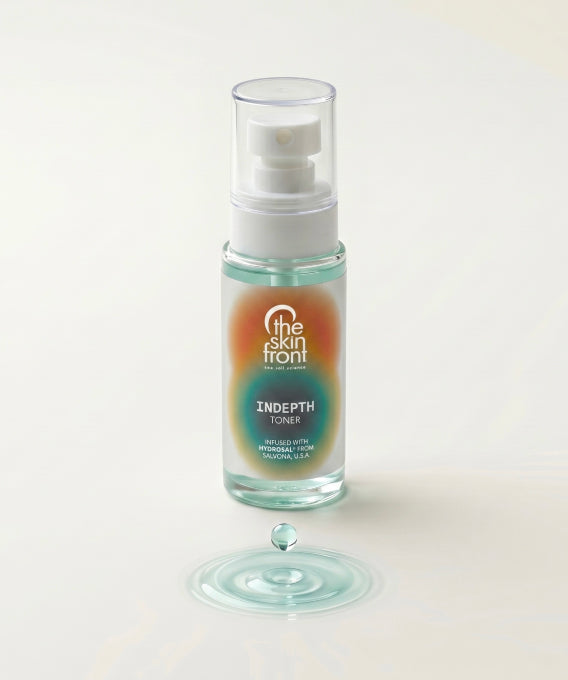
If you are looking for products that bring these two steps together in a thoughtful, skin-focused way, The Skin Front offers a glycolic toner and moisturizing day cream formulated to work well as a pair. Their approach is straightforward with clean ingredients that support the skin barrier rather than disrupt it.
Investing in these two steps does not require an elaborate routine. A glycolic toner a few nights a week and a reliable day cream every morning can make a real difference in how your skin looks and behaves over time.