Teen years can be both exciting and challenging. As young people navigate school, friendships, family expectations, and personal growth, they may experience stress, emotional struggles, or behavioral difficulties. During these times, families often seek supportive programs that encourage positive development and lasting change.
Anasazi Foundation has spent decades helping young people and families find a healthier path forward. Through guided outdoor experiences, personal reflection, and supportive mentoring, participants gain valuable tools that can help them build confidence and resilience. One of the reasons families choose teen wilderness therapy programs is the opportunity for young people to step away from daily distractions and focus on personal growth in a structured and supportive environment.
Building Confidence Through Real-Life Experiences
Many teens learn best through experience. Outdoor activities provide opportunities to develop problem-solving skills, responsibility, and self-reliance. Rather than focusing solely on challenges, participants are encouraged to recognize their strengths and discover new abilities.
As teens overcome obstacles and accomplish meaningful goals, they often gain a stronger sense of confidence. These experiences can help them develop a more positive outlook and improve their ability to handle future challenges.
The outdoor setting also creates opportunities for personal reflection. Away from technology and everyday pressures, participants can spend time thinking about their choices, goals, and relationships. This process often helps young people develop greater self-awareness and emotional maturity.
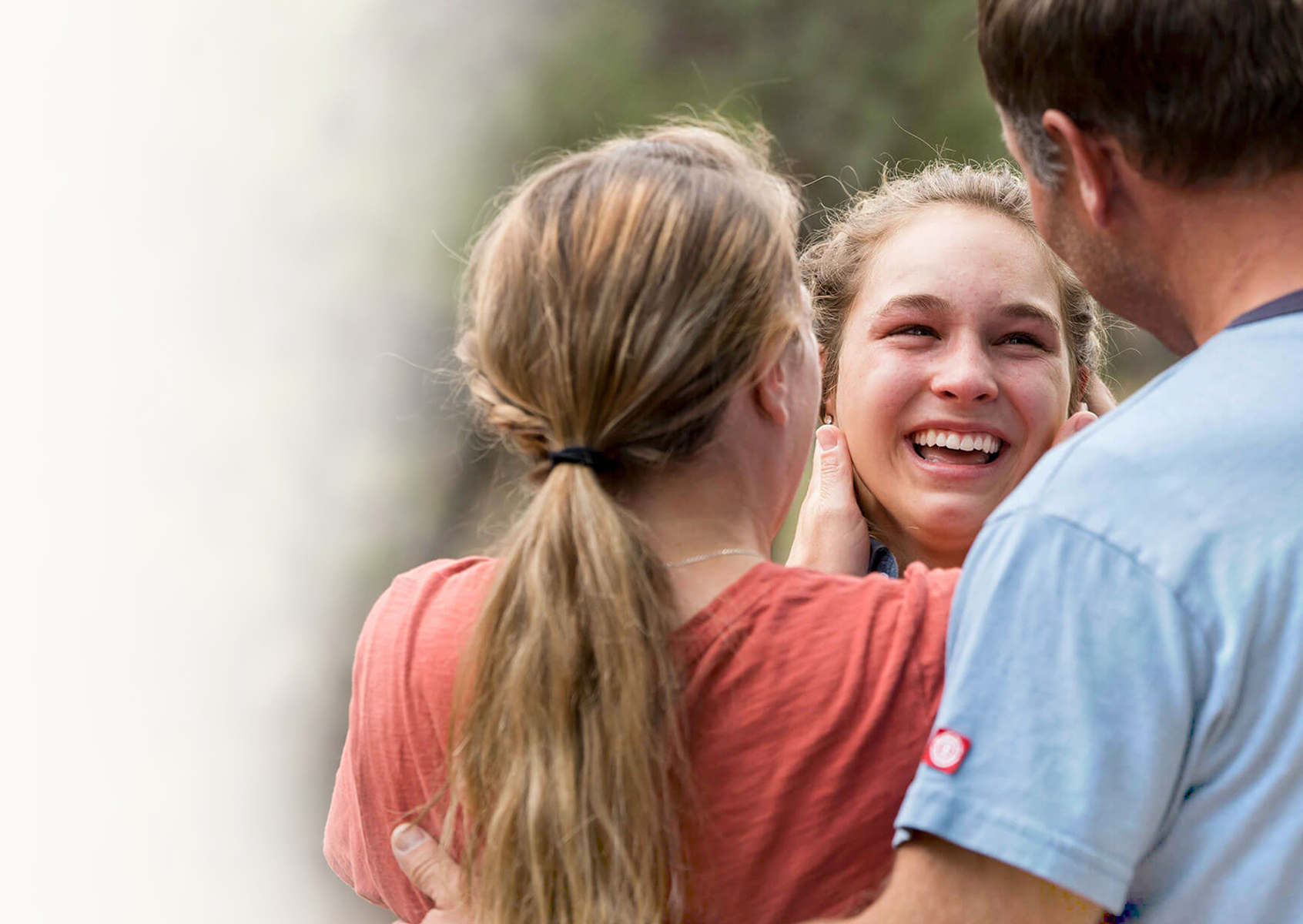
Strengthening Relationships and Communication
Healthy relationships play an important role in a young person’s success. Communication difficulties can sometimes create tension between teens and their families. Learning how to express thoughts and emotions in a healthy way can make a significant difference.
Programs that focus on personal growth often encourage teamwork, respect, and accountability. Participants learn how to listen, communicate effectively, and work together with others. These skills can strengthen family relationships and improve interactions with peers, teachers, and mentors.
In the center of this growth journey, many families discover the value of youth wilderness programs because they provide an environment where young people can practice responsibility, cooperation, and positive decision-making while receiving guidance and encouragement from experienced professionals.
Developing Resilience for Long-Term Success
Resilience is one of the most valuable skills a young person can develop. Life will always include challenges, but learning how to adapt and move forward can create a strong foundation for future success.
Outdoor experiences often require participants to face unfamiliar situations, work through difficulties, and persevere when tasks become challenging. These experiences teach important lessons about determination, patience, and confidence.
As young people learn to overcome obstacles, they begin to realize they are capable of more than they may have previously believed. This sense of accomplishment can carry over into other areas of life, including academics, relationships, and future career goals.
A Trusted Approach to Personal Growth
Families looking for professional support often want reassurance that a program follows high standards of care and accountability. Programs with recognized credentials provide an added level of confidence for parents seeking quality services.
For this reason, many families appreciate accredited wilderness therapy programs that combine professional guidance with outdoor-based experiences designed to support emotional and behavioral growth. These programs focus on helping participants develop practical life skills, improve self-awareness, and create healthier habits that can benefit them for years to come.
Conclusion
Every young person has the potential to grow, learn, and succeed when given the right support and opportunities. Outdoor-based programs provide a unique environment where teens can develop confidence, strengthen relationships, improve communication skills, and build resilience.
Through meaningful experiences and youth wilderness programs, young people can discover their strengths, build self-confidence, and develop important life skills. With supportive guidance and personal reflection, participants can create positive changes that lead to a brighter future. Families seeking a path toward growth and healing often find that these experiences provide valuable lessons that continue long after the program ends.
FAQs
1. What are the benefits of outdoor-based programs for teens?
Outdoor programs help teens build confidence, resilience, responsibility, communication skills, and problem-solving abilities while encouraging personal growth.
2. How do these programs support family relationships?
Participants learn healthy communication and accountability skills that can strengthen family connections and improve understanding between parents and teens.
3. Why do families choose accredited programs?
Accredited programs follow recognized standards of care and provide professional support designed to help young people achieve meaningful and lasting positive change.