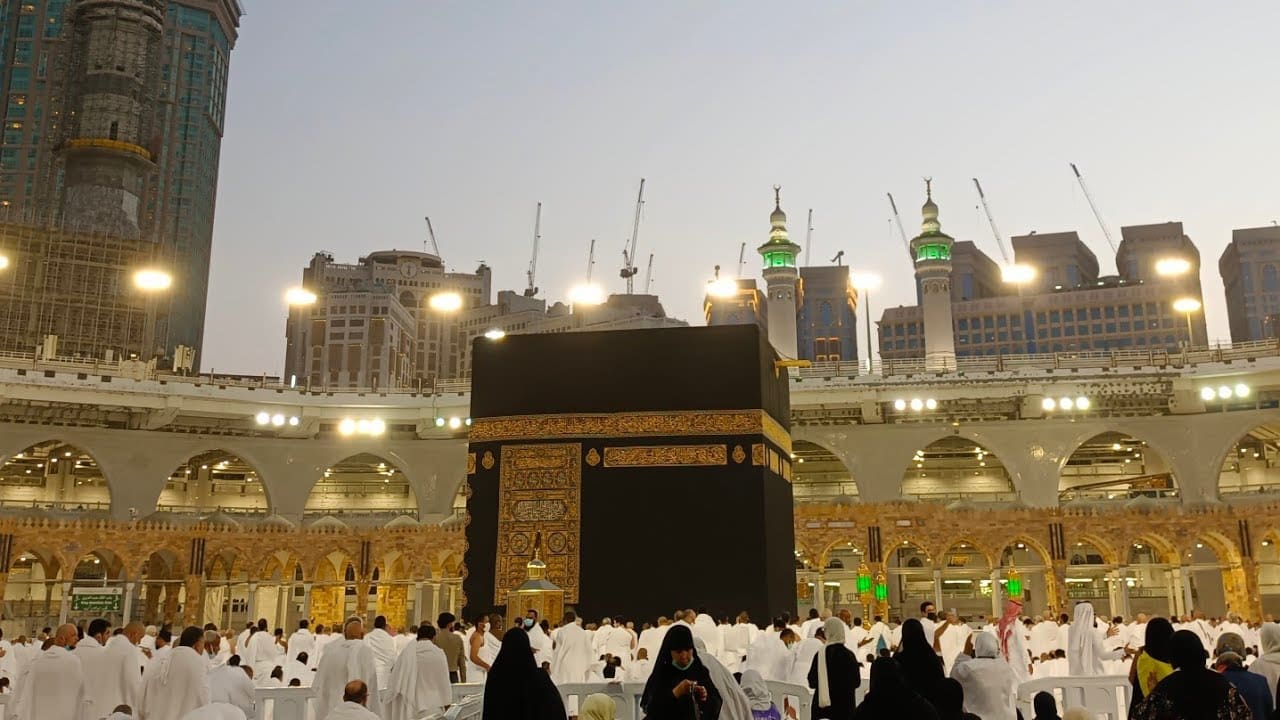
I’ve spent over seven years in the travel industry, and one thing I’ve learned is that Umrah planning isn’t like booking a typical holiday. It requires a different mindset, more preparation, and frankly, a bit more soul-searching than your average vacation. Over the years, I’ve guided thousands of pilgrims through this spiritual journey, and I’ve seen firsthand what separates a smooth, enriching experience from a stressful one. Let me walk you through everything you need to know about organizing Umrah from the UK.
Start Early With Your Documentation
Here’s something I tell every client: begin your paperwork at least three to four months before your intended travel date. I can’t stress this enough because visa processing delays are real, and they don’t care about your plans.
For Umrah from the UK, you’ll need a valid UK passport with at least six months validity remaining. But that’s just the beginning. You’ll also need to apply for a Saudi visa, which requires specific documentation including an employment letter, bank statements, and proof of accommodation. Many pilgrims underestimate how thorough the Saudi authorities are with their vetting process. I’ve seen applications delayed simply because someone’s bank statement showed insufficient funds even though they had plenty of money in other accounts.
Work with a reputable travel operator early on. When I recommend clients approach companies like Al Kareem Travel, it’s because these specialists understand the nuances of UK-based pilgrim requirements. They’ve navigated the system dozens of times and know exactly what consular officials are looking for. This saves you time and reduces the anxiety that often comes with bureaucratic processes.
Choose Your Travel Dates Strategically
This is where experience really makes a difference. Many pilgrims think they can visit Umrah anytime, but the reality is that different seasons offer vastly different experiences.
If you’re planning Umrah from the UK, consider avoiding the peak Hajj season (around September-October). While the spiritual intensity is undeniable, the sheer number of pilgrims often exceeding four million can make the experience overwhelming, particularly for first-timers. The crowds are genuinely intense; I’ve had clients tell me they couldn’t move freely during Tawaf, and bathrooms had hour-long queues.
I personally recommend visiting during the off-peak months like March-May or November-December. Yes, it’s warmer, but the manageable crowds allow you to focus on your spiritual goals rather than logistics. Plus, hotels cost significantly less, and flights are easier to book.
Budget More Realistically Than You Think
This is an area where I find many pilgrims develop unrealistic expectations. A budget Umrah from the UK typically costs between £1,500 and £2,500 per person, including flights, accommodation, visa, and ground arrangements. However, this assumes you’re staying in a basic hotel and eating modestly.
Don’t get me wrong you don’t need to overspend. But factoring in flights from the UK (which rarely cost less than £400-600 return), accommodation near the Haram (£40-100 per night depending on standards), meals, local transport, and miscellaneous expenses, the reality hits differently when you’re actually there.
Here’s my honest perspective: cheaper packages often hide their true costs. I’ve seen pilgrims book through cut-rate operators only to discover hidden charges for airport transfers, guide services, or visa processing. This is precisely why working with established providers matters. Al Kareem Travel, for instance, maintains transparent pricing structures where what you see is what you pay.
Arrange Your Ground Logistics Before Departure
One aspect I’ve learned is crucial: never arrive in Saudi Arabia without confirmed accommodation and transport arrangements. I’ve witnessed pilgrims arrive at Jeddah airport with confirmed flights but uncertain housing, which leads to panic and poor decision-making.
Book your hotel through your travel operator. Ensure they provide Umrah-specific arrangements proximity to the Haram, prayer schedule accommodations, and experienced staff who understand pilgrim needs. Additionally, arrange airport transfers in advance rather than navigating taxis or ride-sharing apps on arrival day when you’re jet-lagged and unfamiliar with local practices.
When you’re coordinating Umrah from the UK with a reliable operator like Al Kareem Travel, these logistics are typically bundled into a comprehensive package. This removes the stress of coordinating multiple vendors independently.
Prepare Yourself Spiritually and Physically
Here’s something purely from my experience: the spiritual preparation matters as much as the logistical preparation.
Physically, the Umrah ritual involves intense physical activity Tawaf (circumambulation) around the Kaaba seven times and Sa’y (walking between Safa and Marwa) is more demanding than many anticipate. If you’re not regularly active, start a walking routine at least two months before your trip. The Saudi heat, combined with crowds and emotional intensity, tests your endurance in ways that surprises most Western pilgrims.
Spiritually, dedicate time to learning the rituals, Duas (supplications), and etiquettes beforehand. Many travel operators, including Al Kareem Travel, provide pre-departure orientation sessions. These aren’t fluffy lectures, they’re practical sessions covering what to expect, how to perform rituals correctly, and how to maintain focus amid distractions.
Obtain Appropriate Travel Insurance
This is non-negotiable, yet I still encounter pilgrims attempting Umrah without proper coverage. Standard travel insurance often excludes religious pilgrimages, so you need specific Umrah travel insurance.
It should cover medical emergencies, trip cancellations, lost baggage, and ideally, coverage for returning home if unforeseen circumstances arise. It’s usually an additional £30-50, which seems trivial until you’re dealing with a medical emergency abroad without coverage.
Final Thoughts: The Umrah Experience Awaits
After guiding thousands through this journey, I can confidently say that thorough planning transforms Umrah from a checkbox item into a genuinely transformative spiritual experience. Umrah from the UK doesn’t have to be complicated or stressful when you approach it methodically.
Start your documentation early, book with experienced operators, prepare both physically and spiritually, and don’t compromise on insurance. The pilgrimage itself is profound. Your job is simply to manage the logistics well enough that nothing distracts you from that spiritual connection.
The best Umrah experience I’ve witnessed aren’t from those with unlimited budgets, but from those who planned thoughtfully, prepared honestly, and approached the journey with realistic expectations. That’s the difference between a good trip and one that changes your life.