Most labs don’t blow their budget on purpose. It usually happens quietly, a rushed purchase, a flashy spec sheet, a brand name that sounds reassuring. Before long, you’ve spent more than planned on a machine that does the same job a mid-range unit would have handled just fine.
The good news? The market for centrifuges for sale has grown considerably, and not just at the premium end. Reliable, well-built options now exist across every price bracket, whether you’re running a small diagnostic clinic, a university research setup, or a production facility watching its overhead closely.
Knowing what actually matters before you buy makes all the difference. This guide cuts through the noise and helps you spend smarter, not just cheaper.
What to Actually Look for Before You Buy a Centrifuge
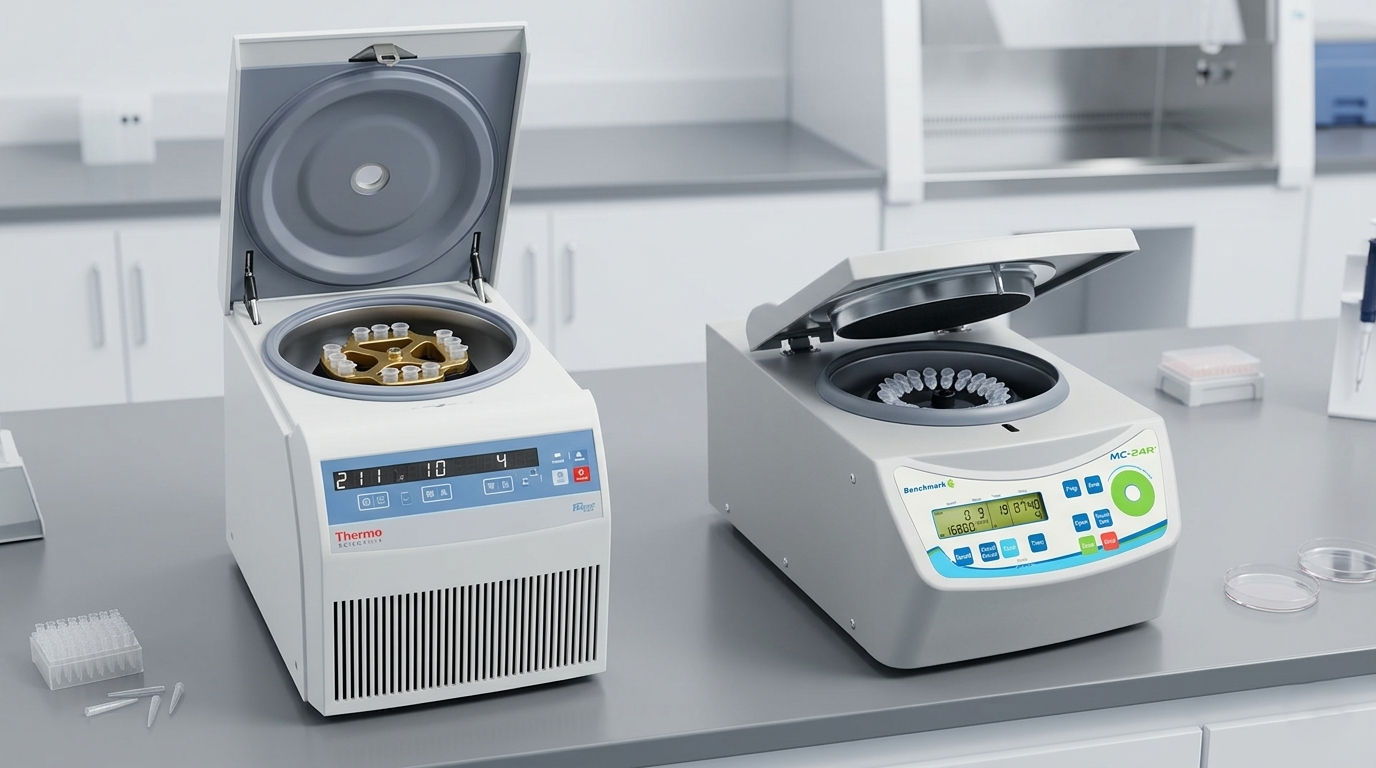
Shopping for lab equipment sounds straightforward until you’re staring at a dozen listings with different numbers, unfamiliar terms, and prices all over the place. Here’s what genuinely matters.
RPM Means Nothing If It Doesn’t Match Your Work
Everyone notices the RPM number first. It feels like the main thing. But a high RPM rating only helps if your samples actually need that speed. Most clinical and routine lab work runs comfortably at mid-range speeds. Chasing the highest number available usually means paying for performance you’ll never use.
The Rotor Is Where People Get Caught Off Guard
This one gets overlooked more than it should. Two centrifuges can look identical on paper but behave very differently depending on the rotor type. Fixed-angle rotors work well for pelleting, while swing-bucket rotors suit density separations better. More importantly, some budget models only support one rotor type, which limits what you can do down the line. Always check rotor compatibility before committing.
Safety Features Tell You a Lot About Build Quality
A well-built machine protects itself and the person using it. Look for basics like lid lock systems, imbalance detection, and overheat protection. These aren’t luxury additions. They’re signs that the manufacturer thought beyond just making the unit spin. Budget models that skip these features are usually the ones that cause problems six months in.
Size and Noise Matter More Than People Admit
A centrifuge that barely fits your bench or runs like a small aircraft engine creates daily frustration. Compact benchtop models have become genuinely capable over the past few years, and they suit shared spaces or smaller setups really well. If your lab is not fully soundproofed or you work close to others, noise levels are worth checking in user reviews, not just the product page.
Getting these four things right means you walk away with something that works for your setup, not just something that looked good in a listing.
Not All Centrifuges Are Built for the Same Job
Picking the wrong type is honestly one of the most common and avoidable mistakes buyers make. Here’s a quick breakdown to help you figure out what actually fits your situation.
Microcentrifuges: Small but Surprisingly Capable
These are compact, fast, and built for small sample volumes. If your work involves DNA, proteins, or anything at a micro level, this is likely your go-to. Don’t let the size fool you.
Benchtop Centrifuges: The Everyday Workhorse
This is what most general labs and clinics rely on daily. Versatile, reasonably priced, and easy to operate. If you’re unsure which type you need, there’s a good chance this one covers it.
Refrigerated Centrifuges: When Temperature Actually Matters
Some samples break down if they get too warm during spinning. Refrigerated models keep things stable throughout the process. They cost more, but for sensitive biological work, that extra spend is genuinely justified.
Clinical Centrifuges: Built Specifically for Patient Samples
These are designed for hematocrit readings and blood separation. Common in hospitals and diagnostic settings. Straightforward, reliable, and purpose-built for that specific type of work.
Know your application first. The right type makes everything else easier.
One More Thing Buyers Often Forget: Support and Maintenance
A centrifuge is not something you want sitting idle while you wait weeks for a replacement part or a service callback. Before buying, check whether the supplier offers proper after-sales support, spare parts availability, and clear warranty terms. Even an affordable machine becomes expensive if repairs are difficult or downtime slows your workflow. Reading user feedback can reveal a lot about how companies handle problems after the sale.
In the end, buying the right centrifuge comes down to understanding your actual workload instead of chasing the biggest specifications or the most expensive label. Labs that spend wisely usually focus on reliability, compatibility, safety, and long-term usability rather than marketing claims. A machine that fits your daily routine will always provide better value than one packed with features you never touch.
Conclusion
The best centrifuges for sale are not always the premium models sitting at the top of the catalogue. They’re the ones that quietly do their job every single day without creating extra problems for your staff, your samples, or your budget.
That approach also makes future upgrades easier. When you buy based on real requirements, you avoid replacing equipment too early or paying again for missing features you overlooked the first time. Take a little extra time to compare options, ask questions, and think about how the machine will be used six months from now, not just today. A careful purchase now usually saves far more money and frustration later for most laboratories today.