Electrical systems are designed to power everything from household appliances to heavy industrial machinery. However, without proper protection, faults such as overloads and short circuits can damage equipment, interrupt operations, and create serious safety hazards. This is where a circuit breaker device becomes essential. It automatically disconnects the electrical supply when abnormal conditions occur, helping prevent accidents and equipment failure. For applications involving higher current capacities, an electrical MCCB offers enhanced protection and flexibility. Understanding the different types of circuit breakers helps ensure safer and more reliable electrical installations.
What Is a Circuit Breaker Device?
A circuit breaker device is an automatic electrical switch that interrupts the flow of electricity when it detects a fault, such as an overload or short circuit. Unlike traditional fuses, circuit breakers can be reset after tripping, making them a practical and cost-effective solution for modern electrical systems.
These devices are used to:
- Protect electrical wiring
- Prevent equipment damage
- Reduce fire risks
- Improve electrical system reliability
- Enhance user safety
They are found in residential, commercial, and industrial electrical installations.
Why Circuit Breakers Are Important
Electrical faults can occur unexpectedly due to damaged wiring, overloaded circuits, or equipment failures. Without proper protection, these issues can result in overheating, electrical fires, or costly downtime.
A circuit breaker device helps by:
- Detecting abnormal current flow
- Disconnecting faulty circuits automatically
- Preventing damage to connected equipment
- Supporting safe maintenance procedures
Reliable circuit protection is essential for maintaining uninterrupted operations and protecting both people and property.
Common Types of Circuit Breakers
Different electrical applications require different types of circuit breakers. Selecting the right device depends on the voltage, current, and operating environment.
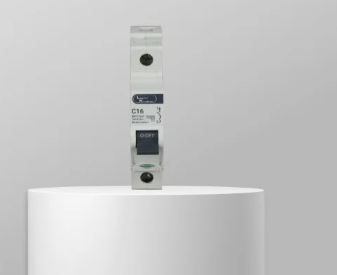
1. Miniature Circuit Breaker (MCB)
MCBs are commonly used in residential and light commercial buildings. They protect low-current circuits such as lighting, power outlets, and household appliances.
Key features include:
- Compact design
- Automatic tripping during overloads
- Easy reset after faults
- Low maintenance
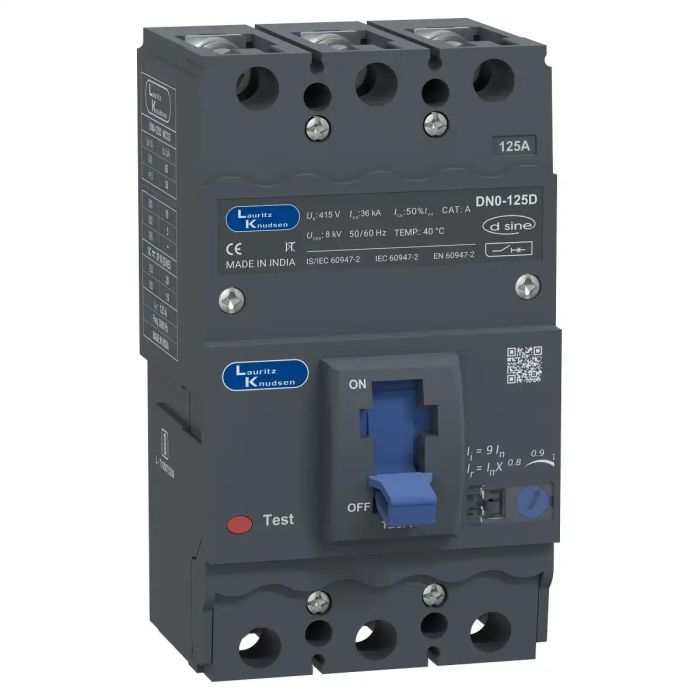
2. Electrical MCCB
An electrical MCCB (Moulded Case Circuit Breaker) is designed for higher current applications and is widely used in commercial and industrial facilities.
It offers several advantages:
- Higher current ratings
- Adjustable trip settings
- Greater breaking capacity
- Improved protection for heavy electrical loads
Industrial equipment, large motors, and power distribution systems often rely on an electrical MCCB for dependable circuit protection.
3. RCCB
Residual Current Circuit Breakers protect people from electric shock by detecting leakage currents and disconnecting the supply before serious injury occurs.
They are commonly installed in:
- Bathrooms
- Kitchens
- Outdoor electrical systems
- Commercial buildings
4. RCBO
RCBOs combine overload protection and earth leakage protection within a single device, offering comprehensive circuit safety.
5. Air Circuit Breaker (ACB)
ACBs are used in large industrial power systems where very high current capacities require advanced protection.
How Circuit Breakers Work
Circuit breakers continuously monitor the electrical current flowing through a circuit.
When the current exceeds safe operating limits due to:
- Overloads
- Short circuits
- Equipment faults
the breaker automatically opens its contacts and interrupts the power supply.
Once the fault has been resolved, most breakers can be safely reset without replacing any components.
Benefits of Using Circuit Breakers
Installing the right protection devices offers numerous long-term benefits.
1. Improved Safety
Circuit breakers reduce the risk of:
- Electrical fires
- Equipment damage
- Electric shock
- Overheating
2. Equipment Protection
Sensitive electrical equipment remains protected from damaging current surges and faults.
3. Reduced Downtime
Automatic fault isolation prevents electrical problems from affecting the entire installation.
4. Lower Maintenance Costs
Unlike fuses, circuit breakers do not require replacement after every fault, reducing operating costs.
Choosing the Right Circuit Breaker
Selecting the correct breaker requires careful evaluation of several factors.
1. Current Rating
Choose a breaker that matches the expected operating current without being oversized or undersized.
2. Voltage Rating
The breaker should be compatible with the system voltage.
3. Breaking Capacity
The breaker must safely interrupt the maximum fault current expected within the installation.
Higher-capacity systems often require an electrical MCCB because of its superior interrupting capability.
4. Type of Application
Different environments require different levels of protection.
Examples include:
- Residential homes
- Commercial offices
- Industrial plants
- Data centers
- Infrastructure projects
5. Environmental Conditions
Dust, moisture, vibration, and temperature can influence breaker selection.
Applications Across Different Industries
Circuit breakers protect electrical systems in many sectors.
1. Residential Buildings
They safeguard:
- Lighting circuits
- Kitchen appliances
- Air conditioners
- Power outlets
2. Commercial Buildings
Applications include:
- Office electrical systems
- Elevators
- HVAC equipment
- Emergency lighting
3. Industrial Facilities
Heavy-duty installations use advanced protection for:
- Manufacturing equipment
- Motors
- Compressors
- Distribution systems
4. Infrastructure
Large-scale electrical systems supporting transportation, utilities, and public services also rely on dependable circuit protection.
Maintenance Best Practices
Routine inspections help maintain breaker performance and electrical safety.
Recommended practices include:
- Inspect breakers for signs of wear.
- Tighten loose electrical connections.
- Clean electrical panels regularly.
- Test breaker operation periodically.
- Replace damaged components promptly.
- Verify trip performance during scheduled maintenance.
Preventive maintenance reduces the likelihood of unexpected electrical failures.
Common Mistakes to Avoid
Avoid these common installation and maintenance errors:
- Using incorrectly rated breakers
- Ignoring load calculations
- Overloading circuits
- Delaying maintenance
- Installing incompatible protection devices
- Failing to inspect aging electrical systems
Proper planning helps maximize both safety and equipment lifespan.
Future Trends in Circuit Protection
Modern electrical systems are becoming increasingly intelligent.
Some emerging developments include:
- Smart monitoring capabilities
- Remote diagnostics
- Predictive maintenance
- Improved energy management
- Integration with building automation systems
These advancements enable faster fault detection and more efficient system management.
Conclusion
A reliable circuit breaker device is essential for protecting electrical systems from overloads, short circuits, and other faults that can compromise safety and performance. Choosing the right protection device for the application helps improve equipment reliability, reduce maintenance costs, and ensure uninterrupted power distribution. For higher-capacity installations, an electrical MCCB provides enhanced protection and operational flexibility. With more than 70 years of expertise in electrical and automation solutions, Lauritz Knudsen Smartshop continues to deliver dependable products that support safe, efficient, and future-ready electrical systems across homes, commercial buildings, industries, and infrastructure.