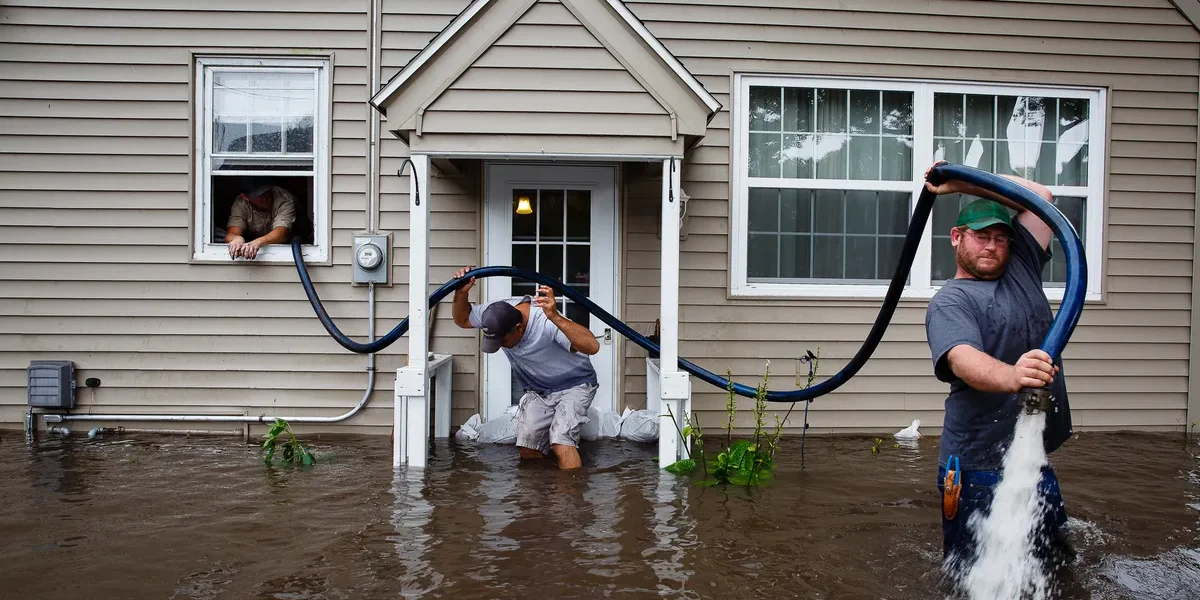
Water damage can happen without warning. A burst pipe, failed water heater, flooded basement, appliance leak, or severe storm can quickly turn a manageable problem into a major property restoration project. For homeowners and businesses searching for Emergency Water Damage Restoration Poland NY, the most important priority is acting quickly and choosing a qualified restoration professional who understands water extraction, structural drying, mold prevention, and property recovery.
In Poland, New York, freezing temperatures, heavy rain, snowmelt, and aging plumbing systems can all contribute to unexpected water intrusion. Even a small amount of standing water can seep into flooring, drywall, insulation, cabinets, and other porous materials. If moisture remains hidden, it may create conditions for mold growth and secondary structural damage.
This guide explains what to do during a water emergency, how professional restoration works, what advanced drying methods involve, and how property owners can make informed decisions when choosing a restoration company.
What Is Emergency Water Damage Restoration?
Emergency water damage restoration in Poland NY is the professional process of responding to a water emergency, removing water and moisture, drying affected materials, cleaning and sanitizing the property, and restoring damaged areas.
Unlike ordinary cleaning, professional water restoration focuses on controlling moisture throughout the structure. A restoration team may use specialized equipment such as:
- Industrial water extractors
- Air movers
- Commercial dehumidifiers
- Moisture meters
- Thermal imaging cameras
- Air scrubbers
- Antimicrobial treatments
- Structural drying systems
The objective is not simply to remove visible water. The goal is to identify the source, determine how far moisture has traveled, dry the structure, reduce the risk of microbial growth, and return the property to a safe and usable condition.
For property owners searching for emergency water restoration Poland NY, the response should begin as soon as it is safe to enter the affected area.
Why Does Fast Water Damage Restoration Matter?
Water can move through building materials much faster than many property owners realize. It can travel underneath flooring, behind walls, beneath cabinets, and into insulation.
The longer moisture remains, the greater the possibility of:
- Swollen wood flooring
- Damaged drywall
- Deteriorated insulation
- Warped cabinets
- Electrical hazards
- Unpleasant odors
- Mold and microbial growth
- Structural deterioration
- Damage to personal belongings
Professional water damage restoration Poland NY services are designed to interrupt this chain of damage.
A rapid response can also make the restoration process more manageable. When water is extracted quickly and affected materials are dried correctly, some contents and structural components may be salvageable instead of requiring replacement.
The 24 Hour Response Principle
Water emergencies do not follow business hours. A pipe may burst at midnight, a sump pump may fail during a storm, or a washing machine hose may rupture while a family is away.
That is why many restoration providers offer emergency response services. A professional response typically begins with an assessment of the situation and identification of the water source.
The faster the source is controlled and extraction begins, the better the opportunity to limit secondary damage.
Common Causes of Emergency Water Damage in Poland, NY
Understanding common causes helps property owners recognize risks before they become major emergencies.
Burst and Frozen Pipes
Cold winter weather can increase the risk of frozen plumbing. When water freezes inside a pipe, pressure can build and cause the pipe to rupture.
Once temperatures rise and the frozen section thaws, a damaged pipe may release a significant amount of water into walls, ceilings, floors, or basements.
Water Heater Failures
A leaking or failed water heater can release substantial amounts of water. Because water heaters are often located near finished spaces, a failure may affect flooring, drywall, storage areas, and nearby belongings.
Appliance Leaks
Washing machines, dishwashers, refrigerators, and other appliances can develop leaks because of worn hoses, faulty connections, or mechanical failures.
Basement Flooding
Heavy precipitation, snowmelt, foundation issues, clogged drainage systems, or sump pump failures can contribute to basement water intrusion.
Storm and Weather Damage
Severe storms can cause roof leaks, flooding, and water intrusion through damaged windows or exterior openings. In these situations, restoration may involve both water removal and coordination with other property repair services.
What Should You Do During a Water Emergency?
When facing an active water emergency, property owners should focus on safety first.
Step 1: Stop the Water Source If Safe
If the cause is a broken supply line or appliance, shut off the water supply if you can safely do so.
For larger plumbing failures, contact a licensed plumber to address the source.
Step 2: Turn Off Electricity in Affected Areas
Never enter standing water if electrical outlets, wiring, or appliances may be submerged.
If you suspect an electrical hazard, leave the area and contact a qualified professional.
Step 3: Protect Valuable Belongings
If it is safe, move important documents, electronics, furniture, and other valuables away from the affected area.
Avoid carrying heavy furniture through standing water if doing so creates a safety risk.
Step 4: Document the Damage
Take photographs and videos before major cleanup begins, when possible. Documentation may help with insurance claims.
Capture:
- The source of the water
- Standing water
- Damaged flooring
- Walls and ceilings
- Furniture and personal belongings
- Visible structural damage
Step 5: Contact a Restoration Professional
Call a qualified provider offering emergency water damage restoration Poland NY services.
A professional assessment can help determine the extent of the damage and the appropriate restoration strategy.
How Does Professional Water Damage Restoration Work?
A professional restoration project generally follows a structured process.
1. Emergency Inspection and Assessment
The first stage involves evaluating the property.
Technicians may inspect:
- Visible water damage
- Moisture levels
- Affected rooms
- Flooring systems
- Wall cavities
- Ceilings
- Insulation
- HVAC areas
- Potential secondary damage
Advanced restoration companies may use moisture meters and thermal imaging to locate moisture that cannot be seen with the naked eye.
2. Water Extraction
Standing water is removed using professional extraction equipment.
The type of equipment depends on the severity of the incident. Small areas may require portable extraction systems, while larger losses may require high-capacity pumps and commercial-grade equipment.
The objective is to remove as much water as possible before the drying phase begins.
3. Structural Drying
After extraction, technicians focus on removing remaining moisture.
Air movers increase evaporation, while dehumidifiers remove moisture from the air. Technicians monitor moisture levels throughout the process.
This is a critical distinction between professional restoration and ordinary cleanup.
The property may appear dry while moisture remains trapped inside walls, under flooring, or beneath cabinets.
4. Cleaning and Sanitization
Depending on the water source, affected areas may require cleaning and antimicrobial treatment.
The response can vary based on the category and condition of the water involved.
For example, clean water from a broken supply line presents different concerns from contaminated water caused by sewage backup.
5. Mold Prevention and Remediation
Moisture control is one of the most important elements of mold prevention.
If materials remain damp, microbial growth may become a concern. When mold is already present, the project may require specialized assessment and remediation procedures.
Property owners should avoid assuming that every water damage incident automatically requires full mold remediation. The appropriate response depends on moisture conditions, contamination, and the extent of microbial growth.
6. Restoration and Reconstruction
The final stage focuses on returning the property to its pre-loss condition.
Depending on the damage, this may involve:
- Drywall repair
- Flooring replacement
- Painting
- Cabinet repair
- Trim replacement
- Insulation replacement
- Structural repairs
Some restoration companies manage both mitigation and reconstruction, while others coordinate with specialized contractors.
Understanding Water Damage Categories and Classes
Professional restoration decisions are influenced by the amount of water and the level of contamination.
Water Categories
Water damage is commonly classified into three broad categories.
Category 1 generally involves water from a sanitary source.
Category 2 involves water that may contain significant contamination and can pose health concerns.
Category 3 involves highly contaminated water, often associated with sewage, flooding, or other serious contamination sources.
The category can change over time if water remains stagnant or becomes contaminated.
Water Damage Classes
Water damage can also be categorized according to the amount of water involved and the extent of affected materials.
A limited localized loss may require a different drying strategy than a major flood affecting multiple rooms.
This classification helps restoration professionals determine equipment requirements, drying goals, and the scope of work.
Advanced Water Damage Restoration Techniques
For larger or more complex losses, restoration professionals may use advanced technology.
Moisture Mapping
Technicians can document moisture levels across affected areas to create a clearer picture of the damage.
Moisture mapping helps identify areas requiring additional drying and supports more accurate restoration decisions.
Thermal Imaging
Infrared cameras can help locate temperature differences associated with moisture. These tools can be particularly useful when water has migrated behind walls or beneath surfaces.
Thermal imaging does not replace moisture testing, but it can help technicians identify areas requiring further investigation.
Psychrometric Monitoring
Advanced drying involves managing the relationship between temperature, humidity, and evaporation.
Technicians may monitor:
- Relative humidity
- Temperature
- Dew point
- Grain depression
- Moisture content
This approach allows drying equipment to be adjusted according to actual environmental conditions rather than guesswork.
Drying Documentation
Professional restoration projects should include documentation of moisture readings and drying progress.
This creates a measurable record showing how affected materials were evaluated and when drying goals were achieved.
A Practical Water Damage Emergency Checklist
Use this checklist when a water emergency occurs.
Immediate Actions
- Stop the water source if safe
- Avoid electrical hazards
- Keep children and pets away from affected areas
- Contact emergency restoration professionals
- Photograph the damage
- Contact your insurance provider if appropriate
During Professional Assessment
Ask:
- What caused the water damage?
- How far has the water traveled?
- Are hidden areas affected?
- What type of water is involved?
- What equipment will be used?
- How will moisture levels be monitored?
- What materials may need removal?
- What is the expected drying process?
Before Restoration Is Complete
Confirm:
- Moisture levels have been documented
- Affected structural materials have been properly dried
- Damaged materials have been addressed
- The source of water has been repaired
- Cleaning and sanitization are complete where required
- Any necessary reconstruction has been planned
Expert Framework: The R.E.S.T.O.R.E. Method
Property owners can use this simple framework to understand the restoration process.
R — Respond quickly: Contact professionals as soon as possible.
E — Eliminate the source: Stop plumbing leaks or other causes when safe.
S — Secure the property: Address electrical and structural safety concerns.
T — Track moisture: Identify visible and hidden moisture.
O — Optimize drying: Use professional extraction, air movement, and dehumidification.
R — Restore materials: Repair or replace damaged components.
E — Evaluate the final result: Confirm the property is dry and properly restored.
This framework provides a simple way to understand the relationship between emergency response, moisture management, and final restoration.
Real World Example: A Winter Pipe Burst in Poland, NY
Consider a hypothetical Poland, NY homeowner who discovers a burst pipe after returning home from a weekend away.
Water has spread across the first floor and entered several areas of the basement ceiling.
The homeowner immediately shuts off the water and contacts an emergency restoration provider.
The restoration team performs an initial inspection and discovers moisture in the flooring, lower drywall, and wall cavities. Technicians extract standing water and install air movers and dehumidifiers.
Moisture readings are taken throughout the drying process. A thermal imaging inspection identifies additional areas requiring attention.
Because the response occurred quickly, several structural components are successfully dried instead of being replaced. Damaged flooring and drywall are later repaired, and the property returns to normal use.
The key lesson is simple: rapid water extraction combined with professional structural drying can reduce the potential for secondary damage.
How Should You Choose a Water Damage Restoration Company?
Choosing a restoration provider requires more than selecting the first company appearing in search results.
Look for a provider that demonstrates:
Emergency Availability
Water damage can occur at any time. A company with emergency response capabilities may be better positioned to respond when immediate action is needed.
Restoration Experience
Ask about experience with residential and commercial water losses, including burst pipes, basement flooding, appliance leaks, and storm-related water intrusion.
Professional Equipment
A qualified provider should have access to appropriate extraction, drying, monitoring, and moisture detection equipment.
Clear Communication
You should understand what work is being performed, why it is necessary, and what the next steps are.
Documentation
Moisture readings, photographs, estimates, and project updates can be valuable during the restoration and insurance process.
Insurance Knowledge
A restoration provider may help document damage and communicate restoration information, but property owners should also contact their insurance carrier to understand coverage and claim requirements.
Actionable Tips for Preventing Future Water Damage
Emergency restoration is important, but prevention can reduce the likelihood of future problems.
Inspect Plumbing Regularly
Check visible pipes, valves, supply lines, and connections for corrosion or leaks.
Protect Against Frozen Pipes
During cold weather, maintain adequate indoor temperatures and protect vulnerable plumbing where appropriate.
Maintain Sump Pumps
If your property has a basement, inspect and test the sump pump regularly. Consider a backup system if flooding risk is significant.
Clean Gutters and Downspouts
Ensure roof drainage systems direct water away from the foundation.
Monitor Water Heaters
Inspect older water heaters for corrosion, leaks, and signs of deterioration.
Install Leak Detection Devices
Smart water sensors can alert property owners when moisture is detected in vulnerable areas.
Internal Linking Suggestions for a Local Restoration Website
To build topical authority and improve user navigation, consider linking this article to relevant service pages such as:
- Water Damage Restoration in Poland, NY
- Emergency Water Extraction in Poland, NY
- Flood Damage Restoration in Poland, NY
- Basement Water Damage Restoration in Poland, NY
- Mold Remediation in Poland, NY
- Fire and Smoke Damage Restoration in Poland, NY
- Storm Damage Restoration in Poland, NY
- Sewage Cleanup Services in Poland, NY
These internal links can create a logical topical cluster around emergency property restoration while helping users find the specific service they need.
Frequently Asked Questions About Emergency Water Damage Restoration
How quickly should water damage be addressed?
Water damage should be addressed as quickly as safely possible. Rapid extraction and drying can help reduce the risk of secondary damage and limit the amount of material that requires replacement.
What should I do first after a pipe bursts?
If it is safe, shut off the water supply and address electrical hazards. Then document the damage and contact a professional restoration provider.
Can water damage cause mold?
Yes. Excess moisture can create conditions favorable for microbial growth. Prompt drying and moisture control can help reduce the risk.
How long does water damage restoration take?
The timeline depends on the size of the loss, materials affected, moisture levels, water category, and drying conditions. A small localized incident may be resolved relatively quickly, while extensive structural damage can require a longer restoration process.
Does homeowners insurance cover water damage?
Coverage depends on the cause of the loss and the terms of the individual policy. Sudden and accidental water damage may be covered in some situations, while flooding and gradual maintenance-related damage may be treated differently. Contact your insurance provider for policy-specific guidance.
Can I clean up water damage myself?
Minor clean water spills may sometimes be handled by property owners. However, extensive flooding, contaminated water, hidden moisture, or damage involving electrical systems should be evaluated by qualified professionals.
When is professional water extraction necessary?
Professional extraction is particularly valuable when there is significant standing water, water has entered porous materials, or moisture has migrated into hidden structural areas.
Conclusion: Take Fast Action When Water Damage Happens
Emergency water damage can become significantly more complicated when it is left untreated. From burst pipes and appliance leaks to basement flooding and severe weather, property owners in Poland, NY, need a clear plan for responding to unexpected water intrusion.
The best approach combines immediate safety measures, rapid water extraction, professional moisture detection, structural drying, cleaning, and appropriate restoration. Advanced tools such as moisture meters, thermal imaging, air movers, and commercial dehumidifiers can help restoration professionals identify and address moisture that is not visible.
If you are searching for Emergency Water Damage Restoration Poland NY, act quickly and choose a qualified restoration professional who can assess the damage, control moisture, and guide you through the recovery process. A fast, methodical response can help protect your property and reduce the potential for long-term damage.