Healthy, attractive hair is not simply about appearance. It can also reflect how well your hair is cared for, how effectively it is protected from environmental stress, and whether your everyday routine matches your hair type. From dryness and frizz to split ends, colour damage, breakage, and dullness, different hair concerns require different approaches. Choosing the right professional treatment can make a noticeable difference when home care alone is no longer providing the results you want.
When people search for hair treatment near me, they are often looking for a convenient salon where their specific hair concerns can be assessed and treated professionally. However, proximity should not be the only consideration. A quality hair treatment should be selected according to the condition of the hair, scalp needs, previous chemical treatments, styling habits, and desired results.
This guide explains the most common professional hair treatments, how they work, who may benefit from them, and what you should consider before booking an appointment. The aim is to help you make an informed decision and develop a more effective approach to long-term hair care.
Understanding Your Hair Before Choosing a Treatment
Every person’s hair has different characteristics. Hair may be fine, thick, curly, straight, coloured, chemically treated, dry, oily, or prone to breakage. Because of these differences, the same treatment may not produce identical results for everyone.
A professional consultation is therefore an important first step. A stylist can examine the hair’s texture, condition, elasticity, moisture level, and visible signs of damage before recommending a suitable service.
Common Signs That Your Hair May Need Professional Care
Several signs can indicate that your regular shampoo and conditioner routine is not enough. Hair that feels rough after washing may need additional moisture, while excessive frizz can sometimes be associated with dryness or surface damage. Frequent split ends, weak strands, excessive tangling, lack of shine, and difficulty managing the hair can also indicate that it needs more specialised care.
Heat styling is another common contributor to hair damage. Regular use of straighteners, curling tools, and blow dryers can affect the hair’s outer structure over time, especially when heat protection is not used correctly.
Chemical services such as bleaching, colouring, relaxing, and perming can also change the structure of the hair. Professional treatments may help improve manageability and appearance, although severely damaged hair may require a carefully planned routine rather than a single salon service.
Popular Types of Professional Hair Treatments
There is no universal treatment that works for every person. Modern salons offer different options designed to address specific concerns, ranging from moisture loss to frizz and visible damage.
Deep Conditioning Treatments
Deep conditioning is designed to provide additional moisture and softness compared with an everyday conditioner. It can be useful for dry, coarse, or environmentally stressed hair.
Depending on the product and technique used, a deep conditioning service may help improve softness, shine, flexibility, and manageability. It can be particularly useful during periods when hair is exposed to frequent heat styling or dry weather.
Keratin and Smoothing Treatments
Smoothing treatments are often chosen by people who want to reduce frizz and make their hair easier to manage. Keratin-based services can create a smoother-looking surface and may make styling more convenient.
The exact outcome depends on the individual’s hair type, the product used, and professional application. Anyone considering a chemical smoothing service should discuss their hair history and expectations with a qualified stylist before treatment.
Hair Repair Treatments
Repair-focused services are commonly recommended for hair affected by bleaching, colouring, heat, or mechanical stress. Some professional formulas are designed to support the appearance and strength of compromised strands.
These services should be viewed as part of a wider hair-care routine rather than a permanent solution for all damage. Regular trims, gentle handling, appropriate products, and sensible heat use remain important.
Scalp-Focused Treatments
Healthy-looking hair begins with a well-maintained scalp. Scalp treatments can be useful when the scalp feels dry, uncomfortable, excessively oily, or congested.
A professional can help identify whether the concern appears to be related to product buildup, dryness, oil production, or another issue. Persistent scalp problems should be assessed by an appropriate healthcare professional rather than treated solely as a cosmetic concern.
How to Choose the Right Salon Treatment
Searching for hair treatment near me can produce many local options, but choosing between them requires more than simply selecting the closest salon. Quality, suitability, hygiene, consultation practices, and professional experience should all be considered.
Consider Your Main Hair Concern
Start by identifying what you actually want to improve. Your priority may be moisture, frizz control, softness, shine, manageability, breakage, or damage associated with colouring.
Being specific about your concern makes it easier for a stylist to recommend an appropriate service. Instead of asking for the strongest treatment available, explain your hair history and desired outcome.
Discuss Previous Chemical Services
Always mention previous colouring, bleaching, straightening, relaxing, or perming. Previous chemical processes can influence which services are suitable.
This information allows the stylist to consider the current condition of the hair before applying another product. Honest communication is especially important when hair has recently undergone significant chemical processing.
Ask About the Treatment Process
Before booking, it is reasonable to ask what the service involves, how long it normally takes, what type of products are used, and how the hair should be maintained afterwards.
Understanding the process helps prevent unrealistic expectations. Some treatments primarily improve softness and appearance, while others are intended to create a smoother finish or improve manageability.
What to Expect During a Professional Hair Treatment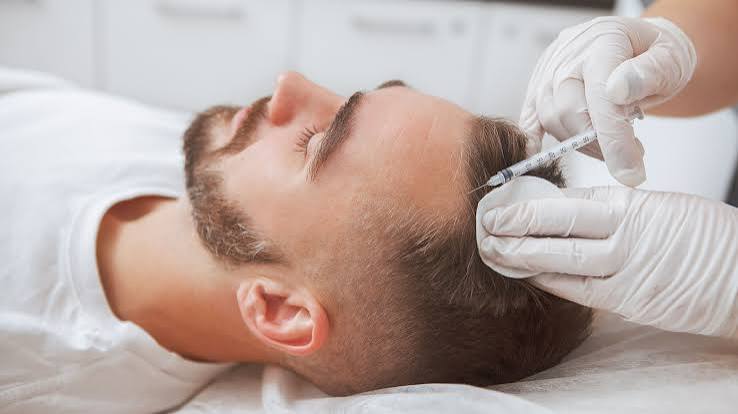
A professional appointment usually begins with a consultation. The stylist may ask about your hair routine, previous services, products, and concerns.
The hair may then be cleansed before the selected treatment is applied. Depending on the service, the product may remain on the hair for a specified period before being rinsed, conditioned, dried, or styled.
Consultation and Hair Assessment
The consultation is one of the most important parts of the appointment. It provides an opportunity to discuss what you want and allows the stylist to evaluate whether your expectations are realistic.
For example, someone with extremely dry and chemically processed hair may need a restorative routine rather than repeated smoothing services. Similarly, a person mainly concerned with frizz may benefit from a different approach.
Application and Aftercare
Treatment application should follow the product manufacturer’s directions and professional best practices. The correct amount, processing time, and application technique can influence the final result.
Aftercare is equally important. Your stylist may recommend a suitable shampoo, conditioner, leave-in product, heat protectant, or styling routine to help maintain the benefits of the service.
Benefits of Professional Hair Care
Professional treatment can offer advantages beyond what is normally possible with a basic home routine. One major benefit is personalisation. Rather than applying the same product to every client, a skilled stylist can consider hair texture, condition, history, and styling preferences.
Another advantage is professional application. Correct product distribution and processing can help produce a more consistent result while reducing unnecessary exposure to treatments that may not suit the hair.
Professional advice can also improve your everyday routine. A stylist may identify habits that contribute to dryness, breakage, or frizz and suggest practical adjustments.
Improving Manageability
Hair that is dry, rough, or highly tangled can be difficult to style. Appropriate professional conditioning or smoothing services may improve how easily the hair can be brushed, dried, and styled.
Improved manageability can also reduce the amount of mechanical stress caused by repeatedly pulling or brushing tangled strands.
Supporting a Consistent Hair-Care Routine
A salon treatment should not be considered a replacement for regular maintenance. The best results generally come from combining professional care with appropriate home practices.
Gentle washing, regular conditioning, heat protection, careful brushing, balanced styling habits, and periodic trims can all contribute to better-looking hair over time.
Mistakes to Avoid When Booking a Hair Treatment
People sometimes focus too heavily on immediate results and overlook the condition of their hair. Choosing a treatment simply because it promises a dramatic transformation may not always be the best decision.
Choosing a Treatment Without Consultation
Avoid selecting a service solely because it is popular. A treatment that works well for one hair type may not be suitable for another.
A consultation provides an opportunity to discuss your expectations and determine whether the service is appropriate.
Overusing Chemical Treatments
Repeated chemical processing without sufficient recovery time can contribute to dryness and breakage. If your hair has already been heavily processed, discuss its condition before scheduling another chemical service.
Ignoring Home Aftercare
Even an excellent salon treatment can lose its visible benefits if the hair is repeatedly exposed to excessive heat, harsh products, or poor handling.
Following professional aftercare recommendations can help maintain softness, shine, and manageability between appointments.
How Often Should You Have a Hair Treatment?
There is no single schedule that applies to everyone. Treatment frequency depends on hair condition, lifestyle, styling habits, chemical processing, and the specific service being performed.
Someone with naturally healthy hair may only require occasional conditioning services, while heavily processed hair may benefit from a more structured care routine. Your stylist can recommend a schedule based on the condition of your hair rather than using a fixed timetable.
Creating a Personal Hair-Care Plan
A good hair-care plan should balance professional treatments with everyday maintenance. Consider how often you wash your hair, how frequently you use heat, whether you colour your hair, and how your hair responds to different products.
Keeping these factors consistent can make it easier to identify what improves or worsens your hair over time.
Finding a Suitable Local Hair Professional
When comparing options for hair treatment near me, look beyond location and promotional offers. Consider whether the salon provides consultations, clearly explains its services, maintains good hygiene standards, and has experience with your hair type and desired treatment.
Reviews can provide useful insight into customer experiences, but they should be considered alongside the salon’s service information and your own consultation. Clear communication is often a better indicator of a suitable appointment than a low price alone.
Questions to Ask Before Your Appointment
Before booking, you can ask about the recommended treatment, expected results, maintenance requirements, suitability for coloured or chemically treated hair, and approximate appointment duration.
You can also explain your previous treatments and share any concerns about breakage, dryness, sensitivity, or scalp discomfort. This allows the professional to make a more informed recommendation.
Maintaining Results After Your Treatment
After receiving a professional service, protecting the hair from unnecessary stress is essential. Use products appropriate for your hair type and avoid excessive heat whenever possible.
A heat protectant should be used when styling with hot tools. Regular conditioning can help maintain softness, while gentle brushing can reduce unnecessary mechanical stress.
Sleeping with hair loosely secured and avoiding excessive pulling can also help minimise breakage. Regular trims may help keep the ends looking neat, particularly when split ends are noticeable.
When Professional Advice Is Especially Important
Some hair and scalp concerns go beyond routine cosmetic care. Sudden or significant hair loss, persistent scalp irritation, sores, severe itching, unexplained changes in hair density, or other ongoing symptoms should not be managed solely through salon treatments.
In such situations, speaking with a qualified medical professional can help identify the underlying cause. A salon professional can provide cosmetic guidance, but medical concerns require appropriate clinical assessment.
Making a Confident Choice for Your Hair
Finding hair treatment near me is only the beginning of choosing effective professional hair care. The most suitable treatment depends on your hair’s current condition, your previous styling history, your goals, and the level of maintenance you are prepared to follow afterwards.
A thoughtful consultation, suitable treatment selection, professional application, and consistent aftercare can work together to support healthier-looking, more manageable hair. Rather than chasing quick fixes, focus on a routine that protects the hair while addressing its specific needs.
If you are looking for personalised professional care, Dc_Izelle Hair&Beauty can be considered as part of your local salon search. Discussing your hair goals and condition before treatment can help ensure that the service you choose is appropriate for your needs and fits into a practical long-term hair-care routine.