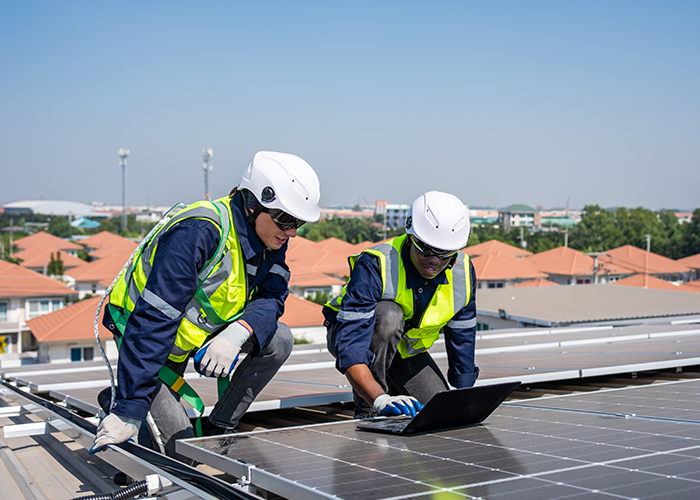
A small business does not need a huge building or a massive electricity bill to start thinking about solar. If your company uses power every day, the roof over your head could do more than provide shelter. It could also help produce electricity for the business.
That is why solar services for commercial Colorado businesses are worth a closer look. Solar can help businesses produce their own electricity, reduce reliance on purchased power, and make better use of their property. The right system depends on the building, energy use, site conditions, and long-term plans.
Start With Your Energy Bills
Before thinking about panel numbers, take a look at your electricity bills.
How much power does your business use each month? Does usage increase during summer or winter? Do you use most of your electricity during the day?
These details help show whether solar could be a good fit.
For example, a small office may use electricity for computers, lighting, heating, and cooling throughout the workday. A retail store may have lighting, refrigeration, and other equipment running for hours. Solar can be planned around the actual energy needs of the property instead of using a standard approach.
Think About Long-Term Value
The price of a solar system is important, but it is not the only number that matters.
A better way to look at the decision is to compare the cost of the project with the electricity it can produce over time. The U.S. Department of Energy notes that the financial value of solar depends on factors such as system costs, electricity savings, and available incentives.
For eligible commercial projects, incentives may also improve the overall economics. SoL Energy currently highlights a 30% federal tax credit opportunity for qualifying commercial projects, with eligibility depending on when construction begins and other requirements. Businesses should confirm current rules with their tax and project professionals before making a decision.
Your Roof Can Be an Asset
One of the biggest advantages of commercial solar is that it can turn unused roof space into a place to generate electricity.
A quick roof assessment can help determine what is possible. The team can look at available space, roof condition, shading, and other site factors. If a roof needs attention, knowing that early makes planning easier.
Colorado also brings its own considerations. Snow, wind, hail, and mountain conditions can all influence solar design. In places such as Pitkin County, solar services for commercial Pitkin County properties can be planned around the specific building and local conditions.
You Do Not Need the Biggest System
More panels do not always mean a better investment.
A well-designed system should match the property’s energy needs and available space. Roof layout, electrical infrastructure, shading, and future electricity use can all affect the final design.
This is where professional planning can make a real difference. SoL Energy provides commercial solar design, engineering, energy consultation, site evaluation, monitoring, and maintenance services. These services help businesses plan a system around their actual property and energy goals.
What If Your Business Is Growing?
Think beyond today’s electricity bill.
Maybe you plan to add equipment, expand your space, increase operating hours, or grow your business. Those changes could increase electricity use in the future.
Talking about future needs during the planning stage can help create a system that makes sense for the business today while keeping future goals in mind.
So, Is Commercial Solar Worth It?
For many small businesses, it can be.
The key is to look at the opportunity from a practical angle. Review your electricity use. Understand your property’s solar potential. Consider available incentives. Then compare the project with your long-term energy goals.
Solar is not only for large companies with huge facilities. A small business with the right building and energy profile may also have a strong opportunity to generate its own electricity.
With thoughtful planning, commercial solar can become more than another business expense. It can be a long-term investment in how your company produces and uses energy.