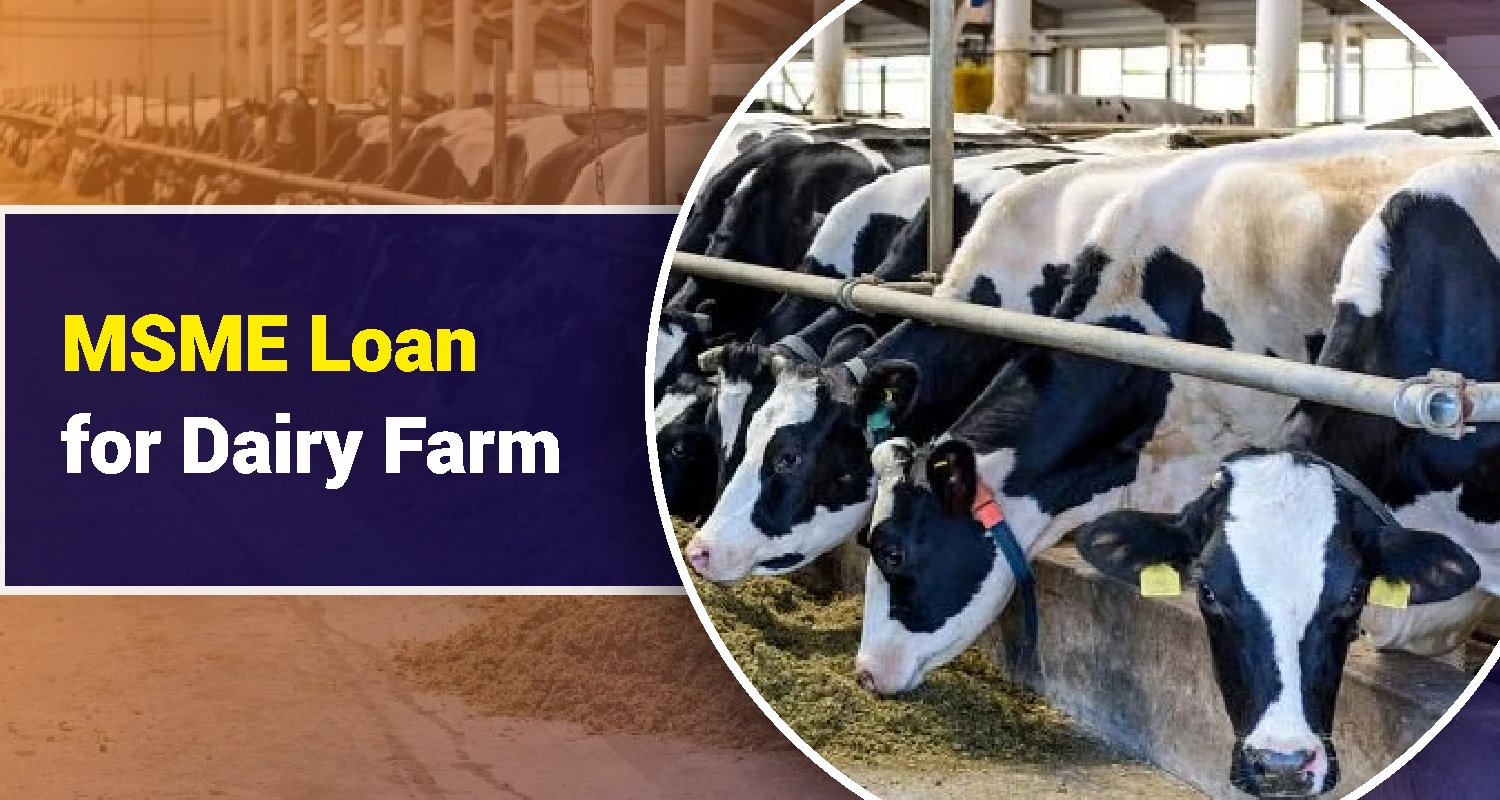
Starting and expanding a dairy farm in India presents a marvelous opportunity due to the increasing demand for milk and dairy products. However, just like any other agricultural endeavor, dairy farming requires substantial investment. One of the primary ways farmers can secure the necessary capital is through a dairy farm loan. This article will explore how and why the GSTIN number is an integral part of the dairy farm loan application process, giving you a step-by-step guide to applying once your GSTIN number is fully active.
Understanding Dairy Farm Loans
A dairy farm loan is a financial product specifically designed to help entrepreneurs in the dairy industry. These loans can cover various expenses ranging from purchasing livestock, fodder, and equipment to facility construction and operational costs. Different financial institutions and government schemes offer tailored loan options, primarily focusing on the cash flow needs of dairy farmers.
Types of Dairy Farm Loans Available
- Short-term Loans: These are typically used for immediate expenses like fodder procurement and veterinary care and come with a repayment period of about one year.
- Medium-term Loans: These provide funding for acquiring tractors, milking machines, and other equipment with repayment periods of one to five years.
- Long-term Loans: These loans are meant for significant investments like land purchases or new farm infrastructure. The repayment period often varies from five to twenty years.
Importance of GSTIN Number in the Loan Application Process
Having a GSTIN number is crucial for anyone running a business in India, including dairy farms. The Goods and Services Tax Identification Number (GSTIN) is a unique identifier assigned to businesses registered under the Goods and Services Tax (GST). Here’s why having an active GSTIN number becomes essential in the dairy farm loan application process:
- Credibility: Lenders view a business registered under GST as more credible and trustworthy. It showcases that the business is compliant with national tax laws.
- Accurate Revenue Reporting: A GSTIN number allows dairy farmers to maintain transparent records of their earnings, which lenders review before disbursing loans.
- Claiming Input Tax Credits: Dairy farmers can avail benefits such as input tax credits on various goods and services related to their business activities.
Steps to Apply for a Dairy Farm Loan Once Your GSTIN Number Is Fully Active
Now that we understand the importance of GSTIN, let’s delve into the step-by-step process of applying for a dairy farm loan:
Step 1: Assess Your Loan Requirements
Before diving into the application process, you need to determine how much funding you need. This means breaking down your business plan and analyzing expenses, including:
- Purchase of Livestock: Including cows, buffaloes, or goats.
- Infrastructure Development: Upgrading or constructing sheds, milking parlors, and storage facilities.
- Operational Costs: Fodder, veterinary services, and wages for laborers.
By mapping out your necessitated cash flow, you can arrive at an accurate figure that would support your farm’s growth.
Step 2: Research Lenders and Loan Options
With a defined budget in hand, identify lenders that cater to the agricultural sector, particularly those focused on dairy farming. This step involves:
- Comparing Interest Rates: Different banks and non-banking financial companies (NBFCs) offer varying interest rates for dairy farm loans.
- Understanding Repayment Terms: Look into how long you have to pay back the loan and any moratorium period.
- Identifying Government Schemes: The Indian government and several state governments have launched specific schemes to support dairy farmers, such as the Dairy Entrepreneurship Development Scheme (DEDS).
Step 3: Gather Necessary Documentation
When applying for a dairy farm loan, you need to prepare a set of documents, which generally include:
- Loan Application Form: Typically available from the financial institution’s website or branch.
- Identity Proof: Aadhar Card, PAN Card, or voter ID.
- Business Registration Documents: In your case, this will include your GSTIN registration certificate.
- Land Ownership Documents: Evidence of ownership or lease documents for the land where the dairy farm operates.
- Financial Statements: Balance sheets, profit and loss statements, and bank statements from the last 6–12 months.
Step 4: Fill Out the Application Form
Once you’ve completed the documentation process, you will need to fill out the loan application form accurately. Providing correct information is crucial, as discrepancies can lead to rejection or delays. Pay special attention to:
- Details Related to GSTIN: Make sure your GSTIN number is entered correctly in the application, as it will be used for verification purposes.
- Projected Financials: Most lenders will require you to present your projections for the future, including expected revenue and expenses.
Step 5: Submit the Application and Wait for Approval
After completing the application form and ensuring that all necessary documents are attached, you can now submit it to the lender. This can usually be done online or in person.
Be prepared for a verification process where the lender may conduct a survey of your farm to validate the information provided. Patience is essential during this stage, as the approval process can take anywhere from a few days to several weeks, depending on the lender’s policies and procedures.
Step 6: Understanding the Disbursement Process
Once your application is approved, the lender will inform you about the loan amount, interest rates, and repayment terms. After accepting the offer, you’ll need to complete any legal formalities, such as signing agreements.
The loan amount may be disbursed in one lump sum or tranches depending on the project requirements and agreed upon terms.
Step 7: Repayment Strategy
With funding in place, it’s essential to have a repayment strategy. Ensure that you budget your finances effectively to avoid defaults. Understand the repayment methods available—some lenders may allow you to repay monthly, quarterly, or annually.
Tips for a Successful Loan Application
- Maintain Accurate Records: Keep up-to-date records of your farm’s financials, including income and expenses.
- Consult Experts: If possible, consult a financial advisor who has experience in the agricultural sector.
- Stay Informed on Policies: Keep abreast of any new regulations or schemes introduced by the government that could benefit your dairy farming endeavor.
Conclusion
The decision to apply for a dairy farm loan can be monumental for your agricultural business. By ensuring that your GSTIN number is fully active and following the outlined steps, you can streamline the application process, making it much more manageable. With the right financing, your dairy farm can not only thrive but also contribute significantly to the economy and the welfare of your community. Always remember that informed decisions backed by thorough research and proper planning set the foundation for a successful business venture in dairy farming.