Strabismus surgery is a treatment used to improve the alignment of the eyes when they do not point in the same direction. Strabismus can affect children and adults and may cause problems such as double vision, difficulty using both eyes together, or an abnormal head position.
When Is Strabismus Surgery Recommended?
Surgery may be considered when glasses, exercises, patching, or other treatments do not provide enough improvement. It can also be recommended when the eye misalignment is significant or continues to affect visual function and appearance.
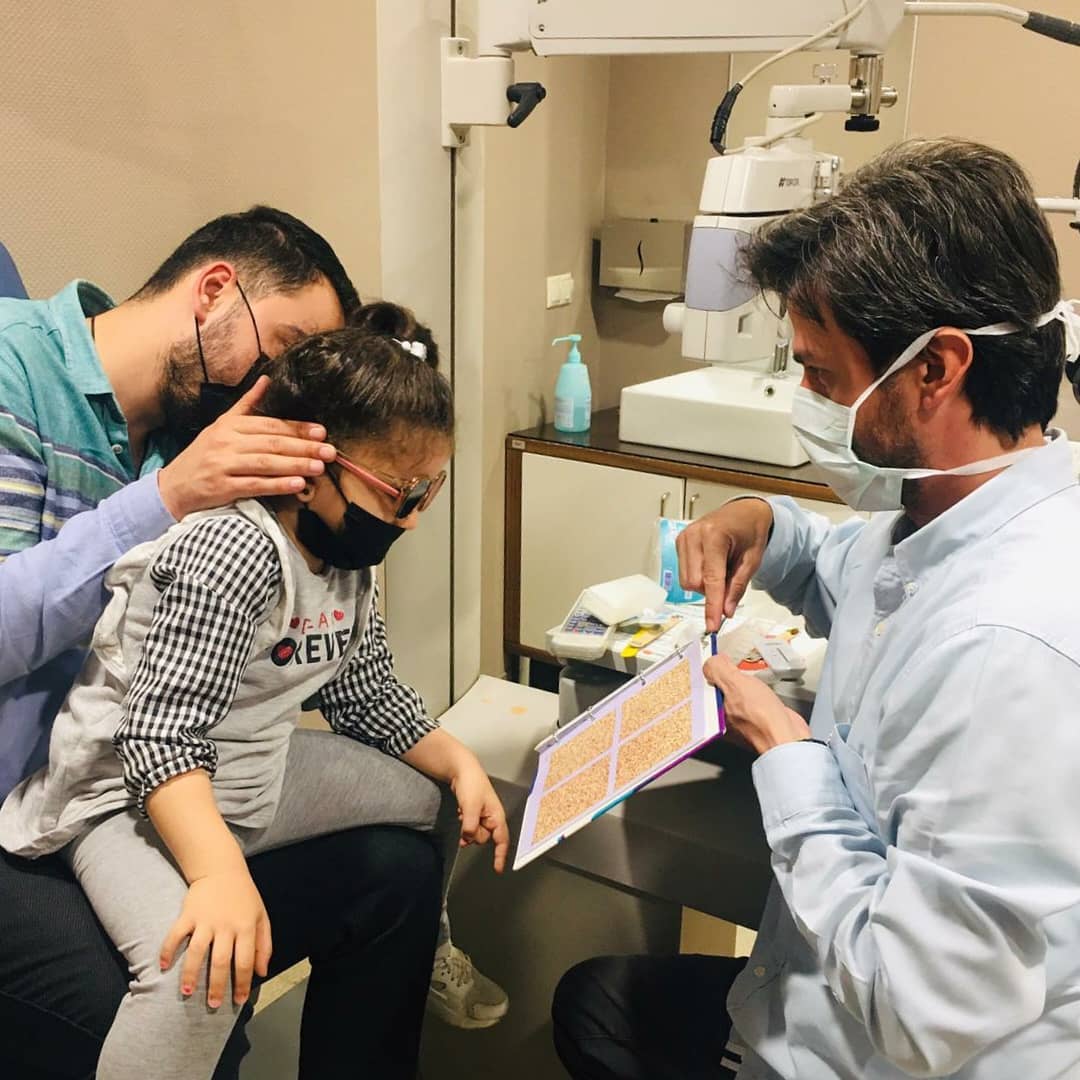
Before surgery, an ophthalmologist evaluates eye movements, alignment, vision, and the type of strabismus. The treatment plan depends on the individual patient’s condition.
How Is the Surgery Performed?
During strabismus surgery, one or more eye muscles are adjusted to improve the position of the eyes. The surgeon may strengthen, weaken, or reposition specific muscles depending on the direction and degree of the misalignment.
The procedure is usually performed under anesthesia. The exact technique and number of muscles treated vary from patient to patient. In some adults, adjustable sutures may be considered to help fine-tune eye alignment after surgery.
Recovery After Surgery
Mild redness, swelling, irritation, or temporary discomfort can occur during the early recovery period. These symptoms generally improve as the eye heals. Follow-up examinations are important to check alignment and monitor recovery.
Strabismus surgery can improve eye alignment, but surgery does not always eliminate every visual problem. Some patients may still need glasses or additional treatment after the procedure.
If you are considering strabismus surgery, contact Halil Hüseyin Çağatay to discuss your eye alignment and suitable treatment options.