Taking on a large property project can be exciting at first. You may have a clear vision for a new workspace, expanded facility, additional storage, or a major improvement, but turning that idea into a finished property involves many decisions that are easy to overlook.
For property owners in Mt Orab, OH, one of the biggest challenges is knowing where to begin. A large project affects more than the area being built. It can influence parking, access, drainage, utilities, neighboring properties, daily operations, and your overall budget.
It is frustrating to discover a major issue after work has already started. Spending time on planning before construction begins gives you a better opportunity to identify problems early, make informed decisions, and keep the project moving with fewer surprises.
Begin With a Clear Project Plan
Before discussing materials, finishes, or construction schedules, define what you actually want the property to accomplish. A large project can quickly become expensive when the original goals are unclear.
Start by writing down the main reason for the project. Are you trying to create more usable space, improve an existing facility, support business growth, or prepare the property for a different use?
Separate Needs From Extras
Not every idea needs to be included immediately. Divide your plans into essential improvements and features that would be helpful if the budget allows.
Consider:
- The amount of space you genuinely need
- How people will use the finished property
- Storage and equipment requirements
- Parking and vehicle access
- Employee or customer movement
- Future expansion possibilities
- Interior and exterior improvements
This simple exercise can make conversations with contractors much more productive.
A good plan also gives you something to measure against as the project develops. When your goals are clearly defined, decisions become easier and unnecessary additions are less likely to derail the budget. For major property improvements, Commercial Construction should begin with a practical plan that connects the finished structure to the way you intend to use the property.
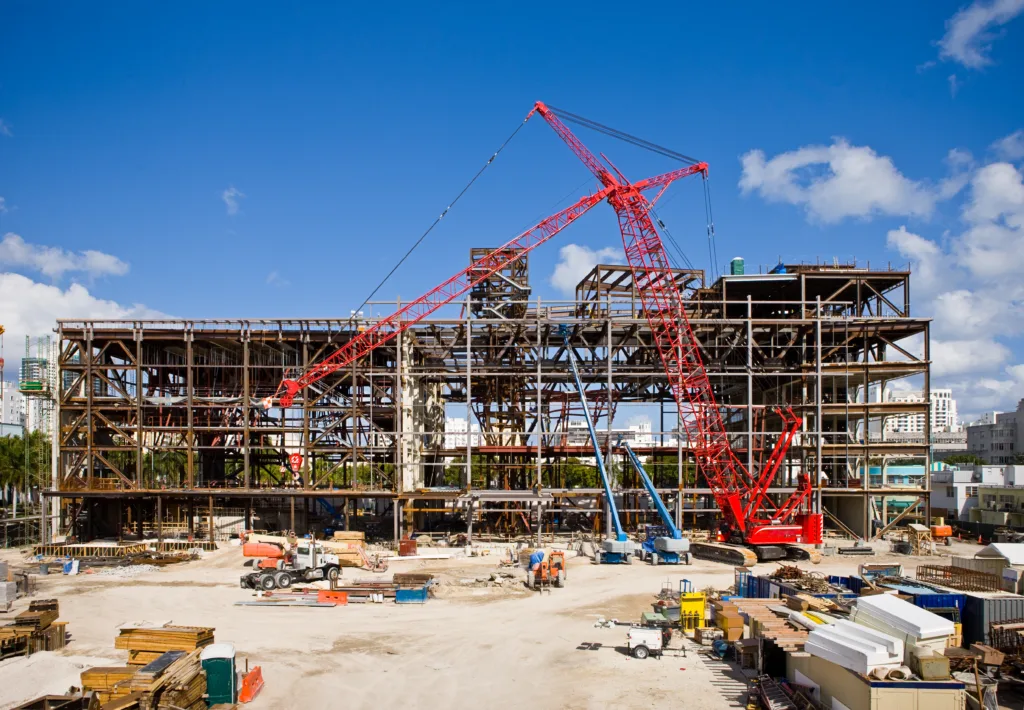
Understand Your Property Before Building
A large project starts with the land and existing structures. Before construction begins, take a close look at what is already there.
Property conditions can affect everything from foundation work to drainage and equipment access. What looks like an ideal building location may have limitations that only become obvious during detailed planning.
Review the Site
Important areas to evaluate include:
- Property boundaries
- Existing structures
- Utility lines
- Driveways and access points
- Parking areas
- Drainage patterns
- Ground conditions
- Nearby buildings
Knowing these details early can prevent expensive changes later.
If an existing building will remain, consider how construction will happen around it. Protecting occupied areas, finished surfaces, equipment, and important access routes should be part of the planning process.
Think About Mt Orab’s Local Conditions
Construction planning should account for the conditions surrounding the property. Mt Orab is a growing community in Brown County, with businesses and residential areas sharing roads and nearby development.
Local weather can also affect a large project. Winter freezing and snow may complicate certain outdoor activities, while spring storms and heavy rainfall can create muddy conditions and affect drainage or site access.
If your project involves significant excavation or exterior work, scheduling should account for these conditions rather than assuming every week will provide ideal working weather.
Traffic and access deserve attention as well. Depending on the property’s location, construction vehicles may need to share access routes with customers, employees, residents, or delivery vehicles.
Establish a Realistic Budget
A large project requires more than estimating the cost of the visible building work. Site preparation, utility connections, grading, drainage, materials, permits, labor, finishes, and cleanup can all contribute to the final cost.
Create a budget that reflects the complete project rather than focusing only on the construction itself.
Leave Room for Changes
Unexpected conditions can occur once work begins. Older structures may contain hidden problems, while ground conditions can sometimes differ from initial expectations.
A reasonable contingency gives you room to handle legitimate surprises without putting the entire project at risk.
Ask for an estimate that clearly explains what is included. You should understand the scope of work, major materials, expected labor, and circumstances that could lead to additional costs.
Consider Utilities and Infrastructure
Utilities are easy to overlook when you are focused on the building itself. Electricity, water, sewer, gas, communications, and drainage systems may all need to be reviewed before construction.
An addition or new structure may require increased capacity. A business that is adding equipment, offices, bathrooms, or other facilities should make sure the existing infrastructure can support the finished property.
Plan Utility Work Early
Discuss utility needs during the early planning stages rather than waiting until construction is underway.
This can help identify:
- Existing connection points
- Potential utility conflicts
- Capacity requirements
- Relocation needs
- Future service requirements
Early planning can also reduce the chance of having to redesign part of the project because a critical utility cannot support the proposed use.
Plan How the Property Will Be Used During Construction
If the property is currently occupied or operating as a business, construction may need to happen while normal activities continue.
That creates a different set of challenges.
Think about where customers will enter, where employees will park, how deliveries will arrive, and which areas need to remain accessible.
Create Temporary Arrangements
Depending on the project, temporary solutions may include:
- Alternate entrances
- Temporary parking areas
- Adjusted delivery schedules
- Restricted work zones
- Temporary storage
- Modified operating hours
The goal is not necessarily to eliminate every inconvenience. It is to manage disruptions so people know what to expect.
Clear communication between the property owner and contractor can make a noticeable difference here.
Compare Contractors Carefully
Searching for Commercial Construction Near Me can produce plenty of options, but proximity alone should not determine who handles a major property project.
Look for a contractor who is willing to understand the full scope of your needs rather than immediately pushing a one-size-fits-all solution.
Ask about:
- Previous project experience
- Project planning procedures
- Communication practices
- Estimated timelines
- Payment expectations
- Site safety
- Cleanup responsibilities
- Handling of unexpected conditions
You should feel comfortable asking questions before signing an agreement.
Work With a Contractor Who Communicates Clearly
Large projects rarely go perfectly according to the first schedule. Weather, material availability, site conditions, inspections, and other factors can affect progress.
What matters is how those changes are handled.
A dependable contractor should explain what changed, why it changed, and what it means for the project. You should not have to chase someone repeatedly just to understand what is happening on your own property.
For local property owners, 2 Do List Construction can help organize the construction process around practical goals, property conditions, project requirements, and the intended use of the finished space.
Protect Nearby Property and People
Construction involves equipment, materials, vehicles, and active work zones. A large project should include a plan for keeping workers, visitors, customers, and neighboring properties safe.
Think about pedestrian routes, equipment movement, temporary barriers, material storage, and areas that should remain off-limits.
Keeping the site organized can also reduce unnecessary delays. When workers can access the areas they need without constantly moving obstacles, the project can progress more efficiently.
Think Beyond the Construction Phase
Before breaking ground, imagine what the property will look and feel like once everything is finished.
Will employees have enough room to move comfortably? Will customers have convenient access? Is there enough parking? Will deliveries be simple? Does the design allow for future changes?
These questions can prevent you from solving today’s problem while creating another one five years from now.
A successful project should support the property’s long-term purpose, not just look impressive on completion day.
Know What Good Communication Looks Like
Trust is especially important when a project involves a significant investment. Professional communication should start before construction and continue through completion.
Look for a contractor who provides clear expectations about:
- Project scope
- Estimated costs
- Scheduling
- Materials
- Site preparation
- Changes and approvals
- Cleanup
- Final walkthrough
You should also receive straightforward answers when something is unclear. Good communication helps everyone make decisions before small problems become expensive ones.
Frequently Asked Questions
Q 1. What should I do first when planning a large property project?
Ans: Define the project’s purpose, establish your priorities, review the property, and create a preliminary budget before finalizing construction plans.
Q 2. Why should the property be inspected before construction?
Ans: Existing structures, utilities, drainage, access, and ground conditions can affect the design, cost, and construction process.
Q 3. How can weather affect a large construction project?
Ans: Rain, snow, freezing temperatures, and muddy ground can affect site access, excavation, material handling, and scheduling.
Q 4. How do I choose the right contractor?
Ans: Compare experience, communication, project planning, estimates, scheduling, safety practices, and the contractor’s willingness to explain the work clearly.
Q 5. Should I plan for unexpected construction costs?
Ans: Yes. A reasonable contingency can help cover unforeseen site conditions, material changes, utility issues, or other legitimate project adjustments.
Q 6. Can a business remain open during construction?
Ans: Often it can, depending on the project’s size and location. Temporary access, parking, delivery, and work-zone plans can help reduce disruption.
Build With the Bigger Picture in Mind
A large property project is easier to manage when you understand what needs to happen before construction begins. Clear goals, careful site planning, realistic budgeting, utility preparation, local conditions, and good communication can all contribute to a smoother experience.
For property owners considering Commercial Construction in Mt Orab OH, taking time to plan properly can help protect your investment while creating a space that serves its purpose for years to come.
When you are ready to discuss your plans, 2 Do List Construction can help you approach the project with practical guidance and careful attention to the details that matter. Reach out today to start planning a property improvement that fits your needs, budget, and long-term goals.