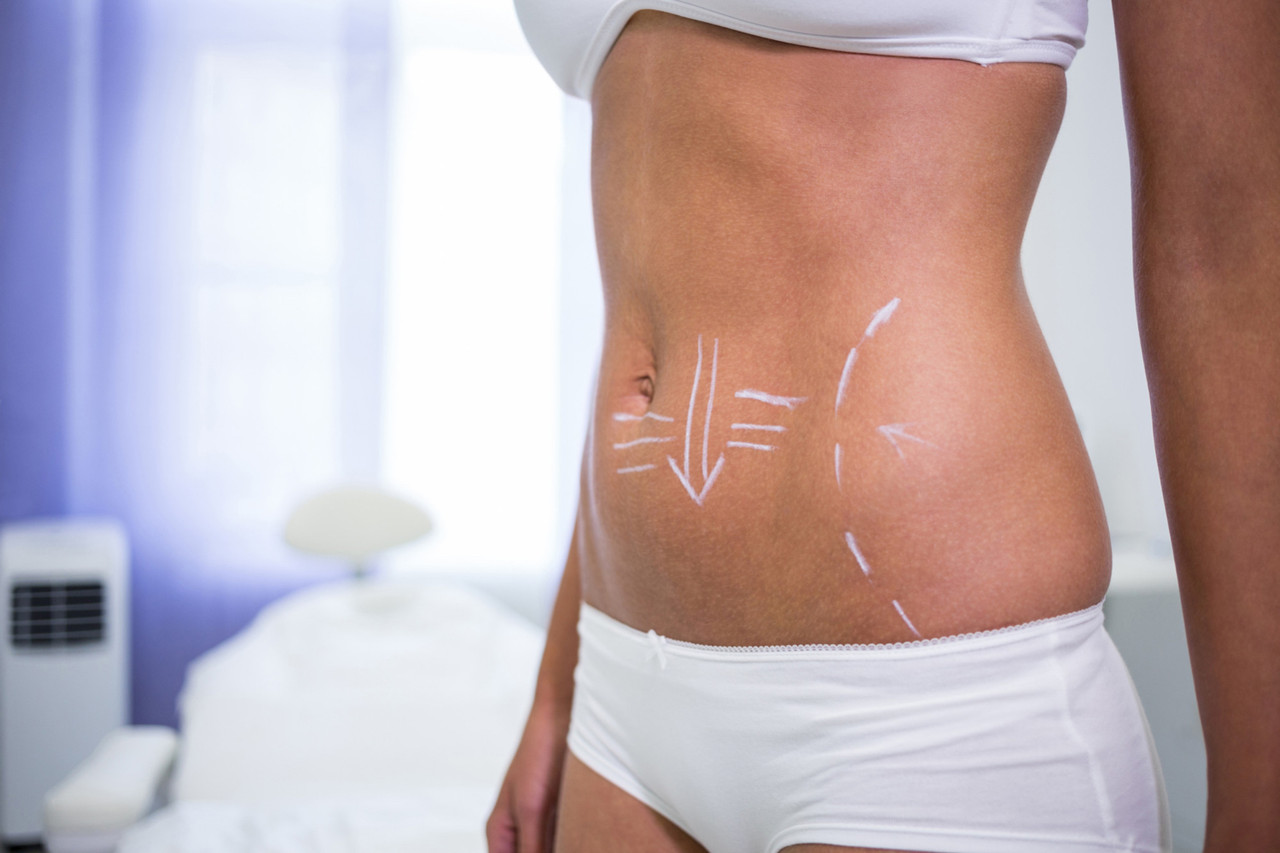
Tummy Tuck Dubai is a personalised form of abdominal contouring that focuses on excess skin, abdominal tissue, and, when appropriate, the underlying abdominal wall. Before recommending a particular surgical approach, a surgeon needs to understand how the patient’s abdomen is structured and where the primary concerns are located.
The assessment of abdominal skin and muscle is therefore an important part of the consultation. Factors such as skin elasticity, excess tissue, muscle separation, abdominal proportions, previous surgery, pregnancy history, and changes in body weight can all contribute to the treatment plan.
For patients considering Dr. Shahram Sajjadi, a consultation provides an opportunity to discuss individual concerns and understand how the abdomen can be assessed before surgery. Rather than applying the same technique to every patient, treatment planning is based on the individual’s anatomy and goals.
Why Is Abdominal Assessment Important Before a Tummy Tuck?
Every abdomen has its own characteristics. Some patients have excess skin mainly below the belly button, while others have laxity extending across the entire abdomen.
Similarly, the abdominal muscles may have different degrees of stretching or separation.
A surgeon needs to understand these differences before selecting the appropriate approach.
The assessment helps answer important questions, such as:
- Where is the excess skin located?
- How much skin needs to be addressed?
- How elastic is the abdominal skin?
- Is there abdominal muscle separation?
- Is the belly button positioned appropriately?
- Are previous scars present?
- Does the patient’s anatomy require a full or more limited approach?
These considerations form the foundation of an individualised treatment plan.
How Do Surgeons Examine Abdominal Skin?
The skin is assessed both visually and physically during consultation.
The surgeon may examine the abdomen while the patient is standing and may also assess the tissues in different positions.
This allows the surgeon to observe the distribution of excess skin and how the abdominal contour changes with movement.
The assessment may include the lower abdomen, upper abdomen, area around the belly button, and the sides of the waist.
The surgeon may also gently manipulate the skin to understand how much excess tissue is present and how it behaves.
What Is Skin Elasticity?
Skin elasticity refers to the skin’s ability to stretch and return toward its original position.
It can vary according to age, genetics, pregnancy, weight changes, sun exposure, and other factors.
During a tummy tuck assessment, the surgeon considers how much the abdominal skin has stretched and how much excess tissue remains.
Patients with significant loose skin may require a different approach from those with relatively limited laxity.
Understanding skin elasticity helps the surgeon determine how much skin may need to be addressed and how the abdominal contour can be planned.
How Does Excess Skin Affect Treatment Planning?
The amount and location of excess skin are central to determining the type of tummy tuck.
Some patients may have a small amount of loose tissue concentrated in the lower abdomen. Others may have significant laxity extending from the upper abdomen toward the lower abdomen.
A patient with more extensive abdominal skin may require a full tummy tuck, while someone with localised lower-abdominal concerns may potentially be considered for a mini tummy tuck.
The surgeon’s examination determines which approach is most appropriate.
How Is the Upper Abdomen Evaluated?
The upper abdomen is examined to determine whether skin laxity extends above the belly button.
This is important because a mini tummy tuck generally focuses on the lower abdomen, while a full tummy tuck can address a broader area.
The surgeon may evaluate the skin for folds, looseness, stretch marks, and changes in contour.
The relationship between the upper and lower abdomen is also considered.
This helps the surgeon understand whether a limited or more comprehensive procedure is appropriate.
How Is the Lower Abdomen Assessed?
The lower abdomen is often the main area of concern for patients considering abdominoplasty.
The surgeon examines the amount of excess skin and tissue below the belly button and evaluates how it relates to the surrounding abdominal area.
The lower abdominal skin may also be assessed for elasticity and previous scars.
These findings help determine whether a standard tummy tuck, mini tummy tuck, or another approach may be appropriate.
How Do Surgeons Evaluate Abdominal Muscles?
The abdominal muscles form an important part of the abdominal wall.
During assessment, the surgeon may examine the abdomen for signs of muscle stretching or separation.
Patients who have experienced pregnancy or substantial changes in body weight may have changes in the abdominal wall.
The surgeon can evaluate the central abdominal area and determine whether muscle separation is present.
This information is considered alongside the condition of the skin and soft tissues.
What Is Abdominal Muscle Separation?
Abdominal muscle separation, often referred to as diastasis recti, occurs when the two sides of the abdominal muscles move farther apart along the central connective tissue.
It can occur following pregnancy and may also be associated with significant changes in abdominal size.
Not every patient with abdominal skin laxity has muscle separation.
During consultation, the surgeon can assess the abdominal wall and explain whether this feature is relevant to the proposed procedure.
Why Does Muscle Condition Matter in Tummy Tuck Planning?
The condition of the abdominal muscles can influence the surgical plan.
A tummy tuck is not simply about removing excess skin. For selected patients, the abdominal wall may also need to be considered.
If muscle separation is present and appropriate to address, the surgeon can discuss whether abdominal wall treatment should form part of the procedure.
The decision is based on the patient’s anatomy, symptoms, objectives, and overall surgical plan.
How Does the Belly Button Affect the Assessment?
The belly button is an important anatomical reference point.
Its location can help the surgeon determine the distribution of abdominal skin and the extent of repositioning that may be required.
During consultation, the surgeon examines the belly button’s position, shape, and relationship with the surrounding abdomen.
The assessment helps determine which type of tummy tuck may be appropriate.
How Are Stretch Marks Considered?
Stretch marks can occur when the skin has undergone significant stretching.
They are often found following pregnancy or major changes in body size.
During a tummy tuck assessment, the surgeon considers where stretch marks are located in relation to the excess skin.
If stretch-marked skin falls within the tissue being removed, its presence may be incorporated into the treatment discussion.
However, not all stretch marks can be addressed through tummy tuck surgery.
How Does Pregnancy History Influence the Assessment?
Pregnancy can affect both abdominal skin and muscle structure.
The skin may stretch as the abdomen expands, and the abdominal wall can also change during pregnancy.
During consultation, patients should provide information about previous pregnancies and discuss whether they are planning future pregnancies.
The surgeon can then evaluate the current abdominal condition and incorporate this information into the treatment plan.
How Does Weight Loss Affect Abdominal Skin?
Significant weight loss can leave excess abdominal skin.
The amount of remaining skin depends on factors such as the amount of weight lost, age, genetics, and skin elasticity.
Some patients may have excess tissue primarily below the belly button, while others may have loose skin across the abdomen and around the waist.
The surgeon assesses the distribution of this tissue before recommending the appropriate procedure.
Does Current Weight Matter During Assessment?
A patient’s current weight can be relevant to treatment planning.
The surgeon may discuss weight stability and the patient’s weight history during consultation.
Significant changes in weight can alter abdominal skin and tissue distribution.
A stable weight can make it easier for the surgeon to evaluate the abdomen and develop an appropriate treatment plan.
Patients should discuss any major recent or anticipated weight changes with their surgeon.
How Are Previous Abdominal Scars Evaluated?
Previous surgery can leave scars or alter the underlying abdominal tissues.
Common examples include caesarean sections, appendectomies, hernia repairs, and laparoscopic procedures.
The surgeon examines the location and characteristics of existing scars and considers how they may affect the proposed procedure.
Patients should provide complete information about previous abdominal operations, even if they occurred many years earlier.
How Do Body Proportions Influence the Assessment?
The abdomen is not assessed in isolation.
The surgeon may consider the relationship between the abdomen, waist, hips, flanks, and chest.
Body proportions can influence how excess tissue is distributed and how abdominal contouring should be approached.
A patient with excess tissue extending toward the sides of the waist may require a different treatment plan from someone whose concerns are confined to the central lower abdomen.
Does Skin Thickness Matter?
Yes. Skin and soft-tissue thickness can vary considerably between patients.
The surgeon may assess the thickness and distribution of abdominal tissue when examining the area.
This information contributes to understanding the patient’s individual anatomy and planning the procedure.
The goal is to create a treatment plan that takes the patient’s existing tissue characteristics into account.
How Does a Surgeon Determine Whether a Full or Mini Tummy Tuck Is Appropriate?
The distinction between a full and mini tummy tuck is primarily based on the extent and location of the patient’s concerns.
A mini tummy tuck generally focuses on the lower abdomen.
A full tummy tuck addresses a broader area and may involve more comprehensive treatment of the abdominal wall.
If excess skin extends above the belly button or the abdominal wall requires more extensive correction, the surgeon may recommend a full approach.
The decision should be based on examination rather than simply the patient’s preferred procedure.
What Happens During a Physical Examination?
The physical examination usually follows a discussion about the patient’s goals and medical history.
The surgeon may examine the abdomen from different angles and evaluate the skin while the patient is standing.
The surgeon may then assess the abdominal tissues manually to understand skin laxity and tissue distribution.
The abdominal wall may also be examined for muscle separation.
The entire assessment is used to develop a personalised surgical plan.
How Does Dr. Shahram Sajjadi Assess the Abdomen?
Patients considering Dr. Shahram Sajjadi can discuss their individual concerns during consultation.
The abdominal assessment can include examination of skin laxity, excess tissue, abdominal wall structure, belly button position, existing scars, and overall body proportions.
The surgeon can then explain which type of abdominoplasty may be appropriate based on the patient’s anatomy.
Patients can also discuss their desired changes and ask how those goals relate to the proposed surgical technique.
What Questions Should You Ask About Your Abdominal Assessment?
Patients can make their consultation more productive by asking specific questions.
Consider asking:
- Where is most of my excess skin located?
- How elastic is my abdominal skin?
- Do I have abdominal muscle separation?
- Does my belly button position affect the procedure?
- Would I need a full or mini tummy tuck?
- How do my previous scars affect treatment?
- Does my weight history influence the surgical plan?
- Which areas will be treated?
- How will the abdominal wall be considered?
- What should I expect during recovery?
These questions can help you understand how the surgeon has developed the proposed treatment plan.
Why Is Individualised Treatment Planning Important?
There is no universal tummy tuck technique that works in exactly the same way for every patient.
A patient’s age, skin elasticity, tissue distribution, muscle condition, previous surgery, pregnancy history, weight changes, and body proportions can all influence the approach.
An individualised plan allows the surgeon to focus on the patient’s specific concerns rather than applying a standard procedure without considering anatomical differences.
This is particularly important when deciding between different forms of abdominoplasty.
What Happens After the Assessment?
Once the surgeon has completed the examination, the findings can be discussed with the patient.
The surgeon can explain which areas are contributing to the patient’s concerns and what treatment approach may be appropriate.
The discussion may cover the surgical technique, areas to be treated, expected recovery, follow-up appointments, and other practical considerations.
Patients should use this opportunity to ask any questions they have before making a decision.
How Does the Assessment Help Set Expectations?
A detailed assessment can help patients understand what surgery is intended to address.
For example, if the primary concern is lower-abdominal skin laxity, the surgeon can explain whether a mini tummy tuck may be appropriate.
If excess skin extends across a larger portion of the abdomen, a full tummy tuck may be discussed.
Understanding the relationship between anatomy and treatment can help patients develop realistic expectations about the procedure.
Conclusion
Tummy tuck dubai requires careful assessment of both the abdominal skin and underlying muscle structure before surgery. Surgeons consider the location and amount of excess skin, skin elasticity, abdominal muscle condition, belly button position, stretch marks, previous scars, pregnancy history, weight changes, and overall body proportions.
The assessment helps determine whether a patient may benefit from a full tummy tuck, mini tummy tuck, or another approach. It also allows the surgeon to develop a treatment plan based on the patient’s individual anatomy rather than applying the same technique to everyone.
Patients considering Dr. Shahram Sajjadi can discuss their abdominal concerns and undergo a detailed assessment during consultation. Asking questions about skin elasticity, muscle structure, treatment options, surgical planning, and recovery can help patients better understand the recommended approach before proceeding.
FAQs
How do surgeons evaluate abdominal skin before a tummy tuck?
Surgeons examine the amount and location of excess skin, skin elasticity, tissue distribution, stretch marks, previous scars, and the relationship between the upper and lower abdomen.
How are abdominal muscles assessed?
The surgeon examines the abdominal wall and may assess whether there is stretching or separation of the abdominal muscles. The findings can influence the surgical plan.
What is abdominal muscle separation?
Abdominal muscle separation, or diastasis recti, occurs when the two sides of the abdominal muscles move apart along the central connective tissue. It can occur following pregnancy or significant changes in abdominal size.
Why is skin elasticity important?
Skin elasticity helps the surgeon understand how much the abdominal skin has stretched and how much excess tissue may need to be addressed during surgery.
Does excess skin location affect the type of tummy tuck?
Yes. Excess skin mainly below the belly button may potentially be addressed with a mini tummy tuck, while more extensive laxity may require a full tummy tuck.
Does the surgeon examine the upper abdomen?
Yes. The upper abdomen is assessed to determine whether skin laxity or excess tissue extends above the belly button.
Why is the belly button assessed?
The belly button provides an important anatomical reference point and can influence the planning of abdominal skin repositioning and the choice of surgical approach.
Can pregnancy affect abdominal muscle assessment?
Yes. Pregnancy can stretch the abdominal skin and muscles. Patients should discuss their pregnancy history during consultation.
Does weight loss affect tummy tuck planning?
Yes. Significant weight loss can leave excess abdominal skin. The amount and distribution of this tissue are assessed when planning treatment.
Should I tell my surgeon about previous abdominal surgery?
Yes. Previous operations can leave scars or alter abdominal tissues, so complete information about previous surgery should be provided.
Does body shape influence tummy tuck planning?
Yes. The surgeon may consider the relationship between the abdomen, waist, hips, and flanks when developing the treatment plan.
Can stretch marks be considered during the assessment?
Yes. The surgeon may evaluate where stretch marks are located and whether the affected skin falls within the tissue being considered for removal.
How does Dr. Shahram Sajjadi evaluate patients for tummy tuck surgery?
Dr. Shahram Sajjadi can assess abdominal skin, excess tissue, abdominal muscle structure, belly button position, previous scars, and overall body proportions before discussing the appropriate treatment approach.
What questions should I ask about my abdominal muscles?
Ask whether your abdominal wall has been assessed for muscle separation or stretching and whether the findings affect the proposed tummy tuck technique.
How does a surgeon decide between a full and mini tummy tuck?
The decision is based mainly on the location and extent of excess skin and the condition of the abdominal wall. A physical examination is necessary before making the recommendation.
Does current weight matter when assessing the abdomen?
Yes. Current weight and previous weight changes can influence skin and tissue distribution. Discuss your weight history with your surgeon.
Why is an individualised tummy tuck assessment important?
Each patient has different skin elasticity, tissue distribution, muscle structure, scars, and body proportions. An individual assessment allows the surgical plan to be tailored to those characteristics.