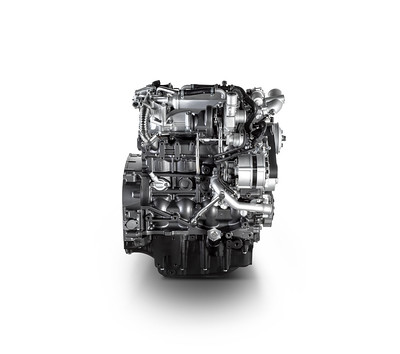
A buyer’s guide to accurate part lookups for industrial, marine, and generator applications
Ordering the wrong engine part can cost more than money. On a working vessel, a construction site, or a standby power installation, a mismatched component means downtime, a second shipping charge, and a piece of equipment sitting idle while you wait for the correct replacement. The fastest way to avoid that outcome is knowing how to read and use a parts catalogue properly before you place an order.
This guide walks through how to search an Iveco OEM parts catalogue with confidence, how to cross-reference engine data correctly, and when it’s worth going straight to an Iveco engine parts dealer instead of guessing from a part number alone.
Why the Parts Catalogue Is Your Starting Point
It’s tempting to search a part description directly and order the first matching result, but Iveco and FPT engines are built across many configurations, and a part number can vary depending on production date, market, and application. An iveco oem parts catalogue exists precisely to remove that guesswork: it links every component to the specific engine build it belongs to, using exploded diagrams and structured part groupings rather than generic keyword search. Starting here, instead of a general parts search engine, is the difference between ordering the right component the first time and going through a return process.
Understanding Your Engine’s Identification Data
Before opening any catalogue, gather the identifying information stamped on your engine: the engine serial number, model code, and, where applicable, the chassis or vehicle identification number. FPT Iveco diesel engines carry this data on an engine block plate, usually near the fuel injection pump or timing cover. Without this information, a catalogue search only narrows results to a general engine family, which increases the risk of pulling a part that fits a similar but not identical build.
Where to find your engine data
Check the engine data plate first, followed by the original equipment documentation that shipped with the engine or the vehicle it powers. If neither is available, an authorized dealer can usually trace engine specifications from the serial number alone, which is one of the most reliable shortcuts when documentation has been lost over the years.
Cross-Referencing by Model and Application
Once you have the engine serial number, the catalogue will break parts down by system: fuel injection, cooling, turbocharging, exhaust aftertreatment, and so on. Select the correct system group, then match the exploded diagram to the physical component you’re replacing rather than relying on the part’s appearance alone, since many components look similar across engine families but carry different tolerances or certifications.
This step matters most when sourcing iveco fpt parts for older or regionally specific builds, where a single engine platform may have been sold with different emissions configurations depending on the market. Confirming the emissions standard, whether Stage V, Tier 4, or an earlier specification, before ordering will save a second round of correspondence with your supplier.
Matching Parts to Industrial and Marine Applications
Iveco industrial engine parts cover a wide range of installations, from construction and agricultural equipment to fixed industrial power units, and the catalogue structure reflects that breadth. Marine applications add another layer of complexity, since marine gearboxes, heat exchangers, and raw-water pumps are often catalogued separately from the base engine components even when they share the same block. When searching for a marine-specific part, filter by the marine variant of the engine model rather than the standard industrial listing, as impeller kits, zinc anodes, and closed-cooling components typically won’t appear under the general industrial parts group.
Don’t Overlook Generator Applications
Standby and prime power generator sets built on Iveco engines have their own maintenance rhythm, often running on load-bank testing schedules rather than daily duty cycles. Iveco generator parts, including alternator coupling components, governor assemblies, and genset-specific wiring harnesses, are usually filed under a dedicated generator or genset application code in the catalogue rather than the standard vehicle parts tree. If your engine powers a generator set, search using the genset model code supplied by the set manufacturer alongside the base engine serial number for the most accurate match.
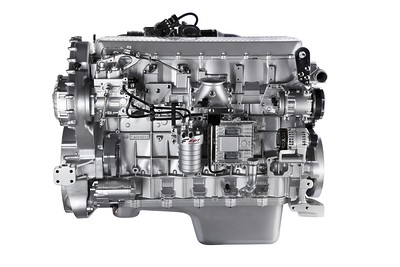
OEM vs. Aftermarket: What the Catalogue Tells You
A parts catalogue will typically flag whether a listed component is a genuine OEM part or an approved aftermarket equivalent. OEM parts are manufactured to the original tolerance and material specification, which matters most for components under high thermal or mechanical stress, such as pistons, injectors, and turbocharger assemblies. Aftermarket alternatives can be a reasonable option for lower-stress components like gaskets, filters, or external brackets, but it’s worth confirming compatibility against the catalogue’s part number rather than a generic aftermarket listing that only references the engine family.
Working With an Iveco Engine Parts Dealer
Even with catalogue access, some situations call for direct dealer involvement, particularly for engines with incomplete documentation, discontinued part numbers, or components that require a core exchange. A reputable iveco engine parts dealer can verify a part number against the engine serial number before shipping, check current stock and lead times, and flag superseded part numbers where an original component has been replaced by an updated version. This verification step is especially valuable for older engines, where a catalogue listing may show a part number that was discontinued years ago in favor of a redesigned equivalent.
Common Mistakes to Avoid
Most ordering errors trace back to the same handful of shortcuts: searching by part description instead of engine serial number, assuming two engines in the same family share identical components, ignoring emissions or regional variants, and skipping dealer verification on discontinued or superseded parts. Taking the extra few minutes to confirm engine identification data and cross-reference through the catalogue’s exploded diagrams consistently prevents these issues before an order ever ships.
Catalogue Search vs. Dealer Verification
| Step | Self-Service Catalogue Search | Dealer Verification |
| Best for | Common parts on well-documented, current-model engines | Discontinued parts, incomplete records, or older engines |
| Input needed | Engine serial number and system group | Engine serial number plus any known part history |
| Speed | Fastest for routine filters, gaskets, and service items | Slower, but resolves ambiguity before shipping |
| Risk of error | Low if engine data is accurate and current | Very low; dealer cross-checks against production records |
| Superseded parts | May show an outdated part number | Flags and provides the current replacement number |
| Core exchange items | Not typically handled through self-service search | Dealer manages core exchange logistics |
Quick Checklist Before You Order
- Engine serial number and model code confirmed from the data plate
- Correct system group selected (fuel, cooling, turbo, exhaust, etc.)
- Emissions standard or regional variant verified
- Marine or generator application code checked, if applicable
- OEM vs. aftermarket status confirmed for the specific part
- Part number verified with a dealer if the engine is older or documentation is incomplete
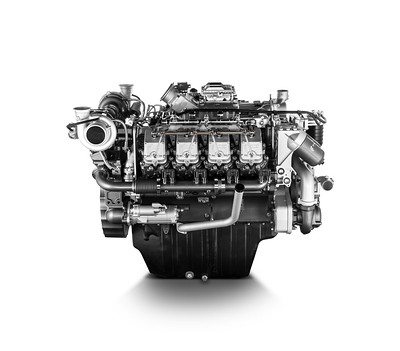
Final Thoughts
Finding the right Iveco engine part comes down to starting with accurate engine identification and working through the catalogue systematically, rather than searching by description and hoping for the best. Whether you’re sourcing components for FPT Iveco diesel engines in a construction fleet, a marine vessel, or a standby generator, matching the engine serial number to the correct catalogue entry, and confirming with a dealer when documentation is incomplete, is what separates a smooth parts order from a costly delay.