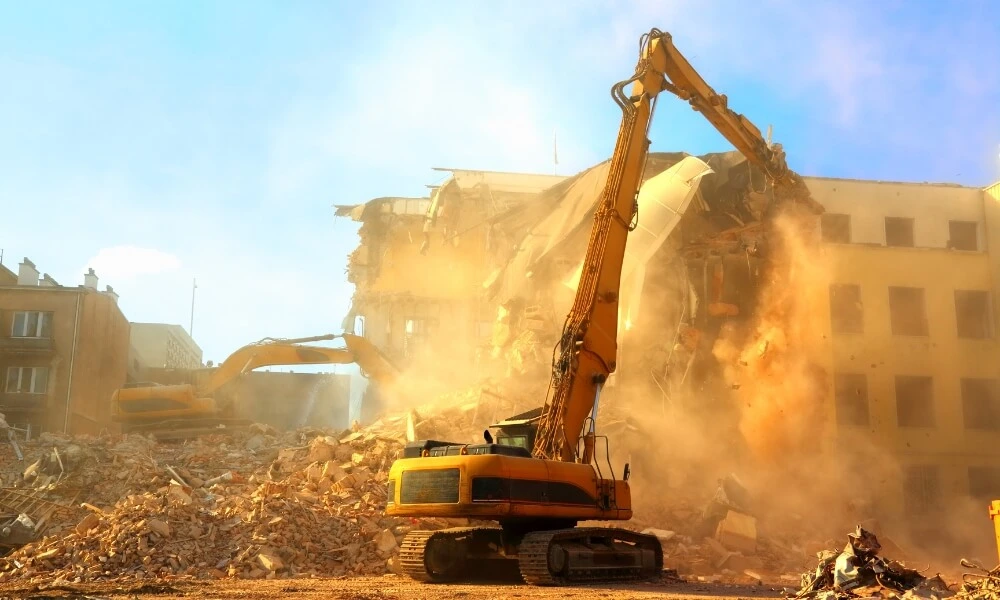
Demolition is often the first major step in preparing a property for renovation, redevelopment, or new construction. Whether an outdated building needs to be removed, an interior needs to be cleared, or an old structure is standing in the way of a new project, professional demolition requires careful planning and proper execution.
For property owners searching for Demolition Services in El Paso, TX, choosing an experienced contractor can help ensure that the work is completed efficiently while protecting surrounding structures, workers, utilities, and the property itself.
El Paso has specific requirements for building demolition. The city requires demolition permits for various types of complete or partial building demolition, with requirements depending on the size and type of structure.
What Are Demolition Services?
Demolition services involve the controlled removal of buildings, structures, interior components, concrete, pavement, and other unwanted construction materials.
Professional Demolition Contractors in El Paso, TX may provide services such as building demolition, interior demolition, concrete removal, selective demolition, structure removal, debris hauling, and site cleanup.
The appropriate demolition method depends on the property’s size, construction materials, surrounding structures, access conditions, and future development plans.
Why Is Professional Demolition Important?
Demolition may appear straightforward, but removing a structure can involve significant safety and logistical challenges.
Protects Surrounding Property
Professional demolition crews evaluate nearby buildings, fences, utilities, roads, sidewalks, and landscaping before beginning work. Controlled removal helps minimize unnecessary damage to areas that will remain.
Improves Jobsite Safety
Demolition involves heavy materials, machinery, structural components, dust, debris, and potentially hazardous materials. Experienced contractors establish procedures for controlling these risks.
Makes Construction More Efficient
Once an unwanted structure has been removed and debris has been cleared, the property can be prepared for its next phase. Professional demolition can help create a cleaner and more accessible construction site.
Supports Responsible Material Handling
Some demolition materials may be suitable for reuse or recycling. El Paso’s demolition regulations specifically encourage salvage and recycling of materials where appropriate.
Types of Demolition Services in El Paso
Different projects require different demolition approaches.
Residential Demolition
Residential demolition may involve removing an entire house, garage, shed, addition, or other residential structure.
A Residential Demolition Contractor in El Paso, TX can assess the structure, coordinate required preparation, complete controlled removal, and clear the resulting debris.
Commercial Demolition
Commercial properties often require larger equipment, detailed planning, and coordination with other construction professionals.
Commercial demolition can include offices, retail buildings, warehouses, restaurants, and other structures.
El Paso’s regulations classify commercial demolition into different permit levels based on the gross floor area being demolished.
Interior Demolition
Interior demolition removes selected components from inside a building while leaving the primary structure intact.
This can include removing:
• Cabinets
• Flooring
• Walls
• Ceilings
• Fixtures
• Interior finishes
• Nonstructural partitions
• Old equipment
Interior demolition is frequently used before commercial remodeling or residential renovation projects.
Selective Demolition
Selective demolition focuses on removing specific parts of a structure rather than destroying the entire building.
This approach can be useful when a property owner wants to preserve certain walls, structural components, exterior elements, or architectural features.
Concrete and Driveway Removal
Old concrete driveways, patios, sidewalks, slabs, and other hardscape features may need to be removed before replacement or redevelopment.
Professional concrete demolition uses appropriate equipment to break, remove, load, and haul away unwanted material.
How Does the Demolition Process Work?
A successful demolition project generally begins with planning.
Property Assessment
The contractor evaluates the structure and surrounding property. Important considerations can include building construction, access points, nearby structures, utilities, potential hazards, and the scope of demolition.
Project Planning
The demolition plan determines what will be removed and which areas will remain.
For certain El Paso demolition projects, a demolition plan is part of the application requirements. Commercial interior demolition can also require scaled floor plans, proposed removal information, hazardous material or asbestos documentation, material manifests, utility disconnection proof, and ownership documentation.
Utility Coordination
Utilities should be appropriately disconnected before demolition proceeds when required. This can include electrical, gas, water, sewer, or other services.
Permit Review
Property owners should verify local permit requirements before beginning demolition. The City of El Paso states that a permit is required for regulated work involving demolition of a building or structure within its jurisdiction.
Controlled Demolition
Once the necessary preparation is complete, the contractor uses appropriate equipment and techniques to remove the structure or selected components.
The demolition method may involve excavators, loaders, skid steers, breakers, saws, or manual dismantling depending on the project.
Debris Removal
After demolition, debris is collected, sorted, loaded, and transported for appropriate disposal, recycling, or salvage.
Site Cleanup
The final stage involves clearing remaining debris and preparing the property for its next use. Depending on the project, additional grading or site preparation may also be required.
Demolition Permits in El Paso
Permit requirements are an important consideration for property owners.
El Paso’s municipal code establishes demolition permit requirements for Level I, Level II, and Level III demolition projects. Level I includes demolition or partial demolition of certain residential structures and commercial buildings under 5,000 square feet. Larger commercial structures fall into higher permit levels.
The city also states that demolition permits are intended to promote public safety and establish requirements for demolition activities, including adjacent property notifications when applicable.
Historic properties can involve additional requirements. Demolition or alteration of a historic landmark may require approval from the Historic Landmark Commission and a certificate of demolition.
Because requirements can vary by property and project, homeowners and developers should verify current regulations before demolition begins.
Demolition and Hazardous Materials
Older buildings may contain materials that require special handling. Depending on the property’s age and construction, potential concerns can include asbestos or other hazardous materials.
Commercial interior demolition applications in El Paso can require a hazardous material or asbestos remediation report.
A qualified professional should evaluate suspected hazardous materials before demolition work begins. Specialized remediation may be necessary before general demolition can proceed.
Choosing a Demolition Contractor in El Paso
Selecting the right contractor is an important part of any demolition project.
When comparing Demolition Companies in El Paso, TX, consider their experience with projects similar to yours. A contractor should be able to explain the demolition process, equipment, debris handling, site preparation, and applicable permit requirements.
Ask potential contractors about:
• Previous demolition projects
• Required permits
• Utility coordination
• Hazardous material procedures
• Equipment and access
• Debris removal
• Recycling and salvage
• Site cleanup
• Project timeline
• Insurance and safety practices
A clear written estimate can also help property owners understand what is included in the project.
Actionable Tips Before Demolition
Confirm Permit Requirements
Do not assume demolition can begin without approval. Verify the applicable city requirements for your specific property.
Identify Utilities
Make sure required utility disconnections are coordinated before demolition begins.
Inspect for Hazardous Materials
Older structures should be evaluated for potentially hazardous materials before work starts.
Protect Nearby Structures
Tell your contractor about neighboring buildings, fences, landscaping, underground features, and other property elements that need to remain.
Plan Debris Removal
Demolition can generate substantial quantities of material. Confirm how debris will be removed, transported, recycled, or disposed of.
Think About the Next Construction Phase
If the property will be rebuilt, graded, landscaped, or paved after demolition, discuss those plans with the contractor. Coordinating demolition and site preparation can make the transition to the next phase more efficient.
Real World Example
Consider a property owner who has an outdated commercial building that needs to be removed before a new development can begin.
The demolition contractor first evaluates the building and surrounding site. The project team identifies utilities, reviews permit requirements, evaluates potential hazardous materials, and develops a demolition plan.
After required approvals and preparation are completed, the structure is carefully dismantled using appropriate equipment. Materials are separated where practical, debris is hauled away, and the remaining site is cleaned.
The cleared property can then move into grading, foundation preparation, or other construction activities.
This example demonstrates why demolition should be treated as a planned construction phase rather than simply tearing down an unwanted structure.
Final Thoughts on Demolition Services
Professional Demolition Services in El Paso, TX can provide an efficient way to clear unwanted structures and prepare properties for renovation, redevelopment, or new construction.
Successful demolition requires more than heavy equipment. Proper planning, permit compliance, utility coordination, safety procedures, material handling, debris removal, and site cleanup all contribute to a successful project.
Whether you need residential demolition, commercial demolition, interior demolition, selective demolition, or concrete removal, an experienced local contractor can evaluate your property and recommend an appropriate approach.
If you are preparing a property for its next stage of development, contact a qualified Demolition Contractor in El Paso, TX to discuss your project requirements, site conditions, permit considerations, and demolition timeline. Proper preparation today can create a cleaner and safer starting point for tomorrow’s construction.