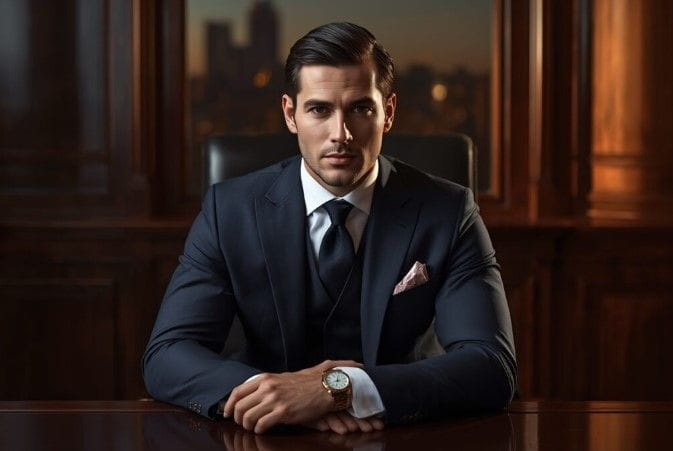
Choosing formal wear in riyadh requires a thoughtful balance between elegance, comfort, cultural expectations, and the local climate. Formal clothing is often needed for business meetings, weddings, corporate gatherings, official events, and important social occasions. The right outfit should create a polished impression while allowing the wearer to remain comfortable throughout the day or evening. Fabric, fit, color, occasion, and quality all play an important role in making the right choice.
Understanding Formal Dressing
Formal wear is designed to create a refined and well-presented appearance. However, formal dressing does not mean that every outfit needs to look identical.
The appropriate choice depends on the occasion, venue, time of day, and expected level of formality. A business event may require understated tailoring, while an evening celebration may allow richer fabrics and more distinctive details.
Choosing the Right Fabric
Fabric is particularly important in Riyadh because of the warm climate. Formal clothing that feels too heavy can become uncomfortable during extended wear.
Lightweight wool is a popular choice for tailored garments because it can combine structure, breathability, and a refined appearance. Other lightweight fabrics may also be suitable depending on the occasion and season.
Fabric quality should also be considered. A material that maintains its shape and resists excessive wrinkling can be valuable for professionals who wear formal clothing regularly.
The best fabric is not necessarily the most expensive one. It should be appropriate for the intended use, climate, and level of comfort required.
The Importance of a Proper Fit
A well-fitted garment can significantly improve a formal appearance. Jackets should sit naturally across the shoulders, while sleeves should have an appropriate length.
Trousers should provide comfortable movement without appearing excessively loose. The overall proportions should create a balanced silhouette.
Tailoring can be particularly helpful because standard sizes do not always accommodate every body shape. Small adjustments to sleeves, waistlines, trouser lengths, and jacket proportions can make a significant difference.
Selecting Appropriate Colors
Color can influence how formal clothing is perceived. Classic shades such as navy, charcoal, black, and gray are versatile choices for many professional and formal occasions.
Darker shades often create a sophisticated appearance for evening events, while lighter colors can work well during daytime gatherings and warmer periods.
Personal style can be expressed through subtle patterns, textures, shirts, accessories, and other details. The key is to create a coordinated appearance rather than combining too many competing elements.
Dressing for Business Occasions
Professional environments often require clothing that communicates reliability and attention to detail. A well-structured suit in a classic color can provide a strong foundation for business dressing.
The choice of shirt, footwear, and accessories can then be adjusted according to the workplace. Conservative environments may favor traditional combinations, while modern offices may allow greater flexibility.
Dressing for Weddings and Social Events
Formal social occasions provide greater freedom to experiment with personal style. Wedding guests and hosts may consider richer textures, distinctive colors, and carefully selected accessories.
Even when choosing a more fashionable look, balance is important. The clothing should complement the occasion without distracting from the overall celebration.
For evening events, darker colors and refined textures can create an elegant appearance. Daytime celebrations may suit lighter fabrics and softer tones.
Investing in Quality
Quality formal wear can be a worthwhile investment when it is chosen carefully. Good construction can help garments maintain their appearance through repeated use.
Customers should examine stitching, seams, buttons, lining, and finishing details. These elements can reveal how much attention has been given to the garment during production.
Maintaining Formal Clothing
Proper care helps protect both fabric and construction. Formal garments should be stored on suitable hangers and allowed to air after use.
Cleaning should follow the care instructions provided with the garment. Excessive cleaning may affect certain materials, so professional cleaning should be used when appropriate.
Conclusion
Selecting formal clothing in Riyadh involves more than following fashion trends. The most successful choices combine appropriate styling with comfort, quality, fit, and practicality.
By considering the occasion, climate, fabric, color, construction, and personal preferences, individuals can build a formal wardrobe that works across business and social settings. Well-chosen formal clothing can create a confident and polished appearance while providing the comfort needed to enjoy every important occasion.