A silent threat can exist inside even the most attractive modern homes. Radon, an invisible radioactive gas, can enter buildings through foundations and create serious health concerns over time. Homeowners need reliable solutions that lower exposure without disrupting daily life. Choosing quality materials from a trusted Wholesale radon supply source helps professionals and property owners access the tools needed for effective radon reduction. Understanding prevention methods and mitigation steps can make homes safer for everyone.
Understanding Why Radon Enters Modern Homes
Radon forms naturally from the breakdown of uranium found in soil, rocks, and groundwater. It can move through small cracks in foundations, construction joints, gaps around pipes, and other openings connected to the ground. Once inside a home, radon can build up to unsafe levels without producing any noticeable smell, taste, or color.
Modern construction methods often focus on energy efficiency, which means homes are built with tighter seals and improved insulation. While these features help control heating and cooling costs, they can also reduce natural ventilation. As a result, radon may remain trapped indoors for longer periods if proper testing and mitigation systems are not installed.
Testing Home Radon Levels Before Taking Action
Testing is the first important step in managing radon problems. Homeowners cannot determine radon levels by appearance alone, so accurate testing equipment is necessary. Short-term tests can provide quick results, while long-term tests offer a clearer picture of average exposure over time.
Professional radon inspectors often use advanced monitoring devices to identify problem areas. In addition, homeowners can use approved testing kits to check their indoor environment. Testing should be performed in the lowest lived-in area of the home, such as a basement or ground-level room.
Regular testing is especially important in areas with known radon concerns. Changes in weather, renovations, foundation repairs, or heating system updates can affect indoor radon levels. Therefore, periodic checks help homeowners stay aware of potential risks.
Using Effective Radon Mitigation Systems
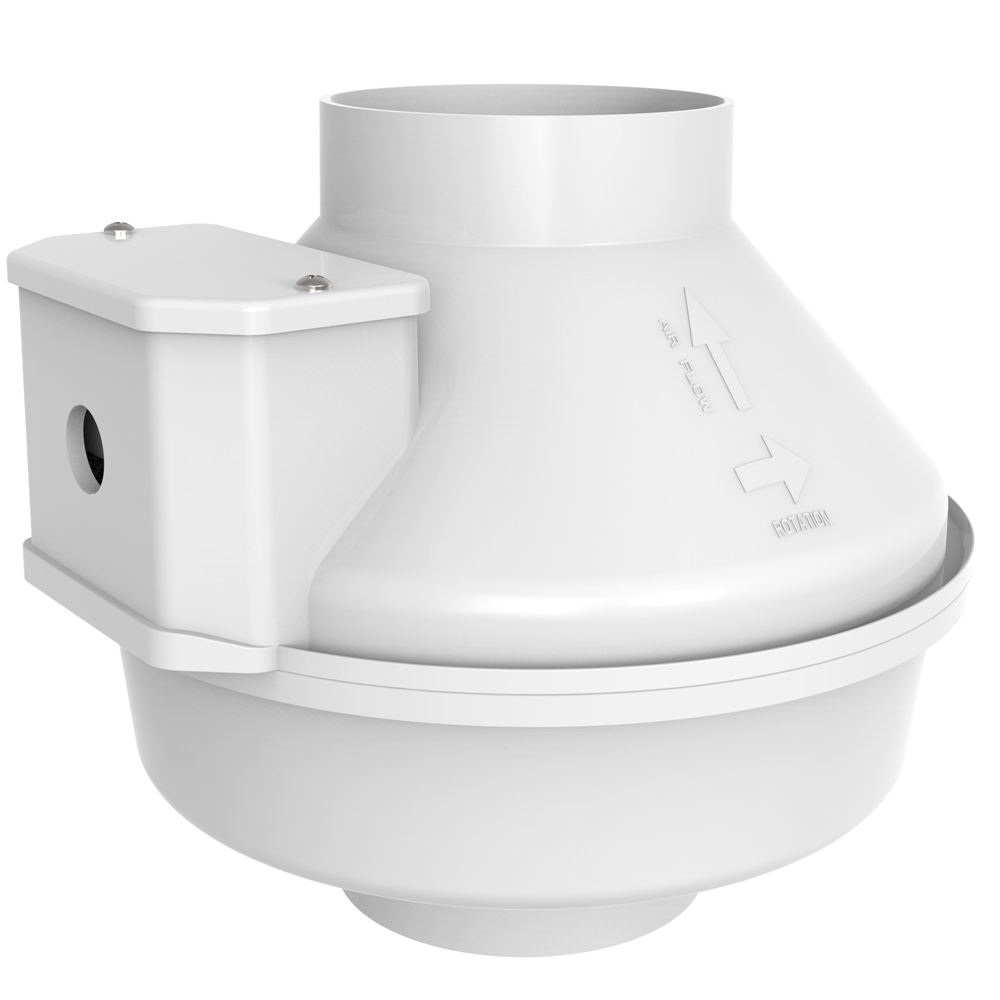
Radon mitigation systems are designed to remove gas from beneath a home before it enters living spaces. These systems usually use pipes and fans to pull radon from the soil and safely release it outside. A properly installed system can significantly reduce indoor radon concentrations.
Sub-Slab Depressurization Systems
Sub-slab depressurization is one of the most common radon reduction methods used in residential properties. This approach involves placing collection pipes beneath the concrete foundation. A fan then creates suction that draws radon gas away from the building.
The extracted gas moves through sealed pipes and exits above the roofline or another approved outdoor location. Because the system operates continuously, it provides ongoing protection against radon buildup.
Sealing Foundation Openings
Sealing cracks and openings in foundations can reduce radon entry points. Professionals often inspect areas around floor drains, utility openings, sump pits, and construction joints. Although sealing alone may not eliminate radon problems completely, it improves the performance of mitigation systems.
High-quality materials are essential for long-lasting results. Contractors rely on dependable radon supply products such as sealants, pipes, fans, and accessories to complete installations correctly.
Choosing Reliable Materials For Radon Reduction Projects
The effectiveness of a mitigation system depends heavily on the quality of its components. Contractors and specialists need durable materials that meet safety requirements and perform consistently over time. Working with a dependable radon supply provider ensures access to products designed for residential and commercial applications.
A reliable supplier can provide essential items, including:
- Radon fans with proper airflow capacity
- PVC piping and connection materials
- Manometers for system monitoring
- Sealing products for foundation gaps
- Testing devices for accurate measurements
Using the correct equipment also helps prevent system failures. Poor-quality components may reduce airflow, create maintenance issues, or shorten the lifespan of the mitigation setup.
Improving Home Ventilation To Lower Radon Exposure
Better airflow can support radon reduction efforts, especially in homes with limited ventilation. Increasing air exchange helps reduce the concentration of indoor pollutants and improves overall air quality. However, ventilation changes should be planned carefully because they may affect energy efficiency.
Mechanical ventilation systems, such as energy recovery ventilators, can introduce fresh air while maintaining indoor comfort. These systems are useful in tightly sealed homes where natural airflow is limited.
Homeowners should avoid relying only on opening windows or using basic fans. These methods may provide temporary improvements but usually do not address the main source of radon entry.
Maintaining Radon Systems For Long-Term Protection
Installing a mitigation system is only part of maintaining a safe home environment. Regular inspections ensure that fans, pipes, and monitoring devices continue working properly. Homeowners should check system indicators and schedule professional evaluations when needed.
Simple maintenance practices include:
- Checking the system warning device regularly
- Keeping exterior pipe openings clear
- Testing radon levels after major home changes
- Replacing damaged components promptly
Proper maintenance protects the investment made in radon reduction. It also helps identify problems before they allow radon levels to rise again.
Understanding The Role Of Professional Radon Experts
Professional radon specialists bring experience and technical knowledge to complex mitigation projects. They understand local building conditions, testing procedures, and installation standards. Their guidance helps ensure that systems are installed correctly and operate efficiently.
Experts can also recommend suitable equipment based on home design, foundation type, and measured radon levels. This personalized approach reduces guesswork and improves the chances of achieving safe indoor conditions.
For homeowners planning renovations or new construction, consulting radon professionals early can prevent future problems. Installing protective measures during construction is often easier and more cost-effective than making changes later.
Creating Safer Homes Through Preventive Radon Solutions
Reducing radon levels requires a combination of testing, proper equipment, and consistent maintenance. Homeowners should take action before problems become serious by monitoring indoor air quality and addressing possible entry points. Reliable materials from a trusted Wholesale radon supply provider support effective mitigation projects and help professionals complete installations safely.
Modern homes can achieve healthier indoor environments through smart planning and proven reduction methods. With regular testing and professional support, families can reduce radon risks while maintaining comfortable living spaces.
Conclusion
Radon reduction is an important part of creating a safe and healthy home environment. Since this gas cannot be detected without proper testing, homeowners must rely on accurate measurements and effective mitigation solutions. Installing quality systems, sealing entry points, improving ventilation, and maintaining equipment all contribute to long-term protection. Working with experienced professionals and dependable suppliers ensures that radon control projects are completed with the right materials and methods. Taking proactive steps today can help protect homes and families from unnecessary radon exposure in the future.