Managing tracheostomy secretions safely is an important part of maintaining a clear airway, supporting comfortable breathing, and reducing preventable complications. For families providing Tracheostomy care at home Dubai, understanding how to observe, manage, and report changes in mucus can make daily care more organized and reassuring. Professional support, including Doctor at Home services when medically appropriate, can also help when a patient needs assessment without leaving home. Because every tracheostomy patient has different medical needs, caregivers should follow the individualized instructions provided by the healthcare team rather than attempting unfamiliar airway procedures independently.
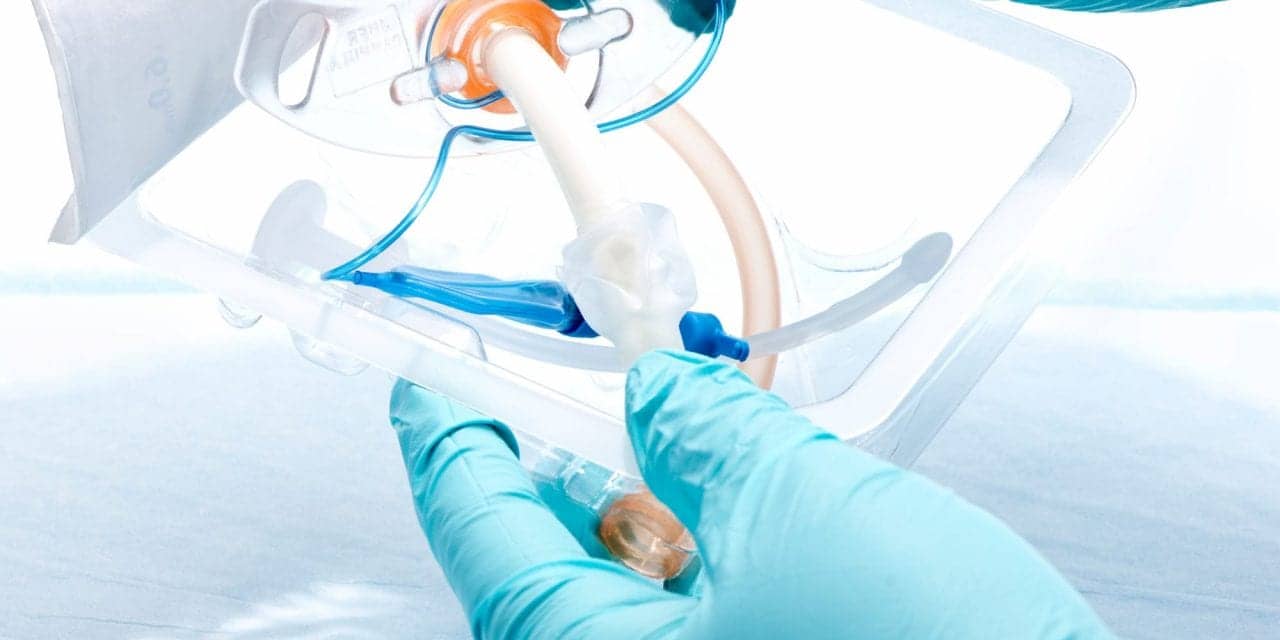
Understand Why Tracheostomy Secretions Occur:
Secretions are a normal part of the respiratory system’s protective function, but a tracheostomy can change how air reaches the airway. As a result, some patients may experience thicker, drier, or more noticeable mucus. The amount and consistency of secretions can vary depending on hydration, respiratory health, medications, activity, environmental conditions, and the patient’s underlying condition. Caregivers should learn what is normal for the individual patient and observe changes over time. Understanding the patient’s usual secretion pattern makes it easier to recognize when mucus has become unusually thick, excessive, discolored, or difficult to clear.
Observe Secretions Regularly:
Regular observation is one of the most useful ways to identify potential problems early. Caregivers should pay attention to the amount, color, thickness, odor, and frequency of secretions. A temporary change may not always indicate a serious problem, but persistent or significant changes should be communicated to the healthcare team. Keeping a simple record can help identify patterns and provide useful information during medical appointments. Important observations can include:
- Whether secretions are thin or thick
- Whether the amount has increased
- Changes in color or odor
- How easily mucus is cleared
- Whether coughing has increased
- Whether the patient appears more uncomfortable
- Whether breathing has changed
Maintain Appropriate Hydration:
Adequate hydration may help keep respiratory secretions from becoming excessively thick for some patients. However, fluid requirements vary significantly between individuals, particularly when a patient has medical conditions that affect fluid intake. Caregivers should therefore follow the patient’s prescribed hydration plan rather than increasing fluids independently. If the patient is allowed to drink normally, fluids can be offered according to their healthcare team’s recommendations. For patients who receive nutrition or fluids through another method, the healthcare provider should provide specific instructions.
Use Humidification as Prescribed:
Humidification may be recommended for some tracheostomy patients to help address airway dryness and secretion thickness. The healthcare team can determine whether humidification is appropriate and which equipment should be used. Caregivers should follow the prescribed settings and maintenance instructions carefully. Equipment should be kept clean and maintained according to professional and manufacturer guidance. Caregivers should not introduce a new humidifier, alter prescribed settings, or use unsuitable water or substances without professional advice. Correctly managed humidification can support airway comfort when it is part of the patient’s care plan.
Encourage Safe Coughing When Appropriate:
Coughing is one of the body’s natural ways of moving mucus out of the airway. Depending on the patient’s condition, healthcare professionals may teach specific coughing or airway-clearance techniques. Patients who are able to cough effectively may be encouraged to do so according to their care plan. Caregivers should never force a patient to perform a technique that has not been recommended for them. If coughing suddenly becomes weaker, more frequent, painful, or ineffective, the change should be reported to the appropriate healthcare professional.
Follow Suctioning Instructions Carefully:
Some tracheostomy patients require suctioning to help remove secretions that they cannot clear independently. Suctioning is a specialized procedure that should only be performed by caregivers who have received appropriate training for the individual patient’s equipment and care plan. The healthcare professional should explain when suctioning is needed, how it should be performed, and what signs indicate that assistance is required. Caregivers should not repeatedly suction simply because mucus is present. Unnecessary or improperly performed suctioning can cause irritation or other complications. Always follow the specific instructions provided by the patient’s clinical team.
Keep Suction Equipment Clean:
When suctioning is part of a patient’s prescribed routine, maintaining equipment hygiene is essential. Suction machines, tubing, collection containers, and other components should be cleaned, disinfected, replaced, or maintained according to the applicable instructions. Caregivers should inspect equipment regularly to make sure it is functioning properly. Tubing should be checked for damage or blockage, and collection containers should be handled safely. Keeping suction supplies organized in a clean and accessible location can make routine care more efficient and reduce delays when equipment is needed.
Prevent Thick and Dry Secretions:
Thick secretions can be difficult for patients to clear and may contribute to airway obstruction. Following the prescribed hydration and humidification plan is one way to support appropriate secretion consistency. The care environment can also influence airway comfort, particularly when indoor air is very dry. Caregivers should follow professional recommendations for humidity and respiratory care rather than relying on unverified home remedies. If mucus becomes persistently thick, difficult to remove, or noticeably different from the patient’s usual secretions, the healthcare team should be contacted for guidance.
Maintain Good Tracheostomy Hygiene:
Good overall tracheostomy hygiene can help prevent secretions from accumulating around the stoma and equipment. Caregivers should wash their hands before and after care and use protective equipment as instructed. The skin around the stoma should be cleaned according to the patient’s prescribed routine. Secretions that remain on the surrounding skin can contribute to irritation and moisture-related problems. Caregivers should avoid using creams, powders, oils, or cleaning products that have not been recommended. Clean technique and consistent care can support both airway management and skin protection.
Monitor the Stoma During Secretion Management:
Secretions can affect the skin surrounding the tracheostomy opening, particularly when mucus remains in contact with the area for extended periods. During routine care, caregivers should check for redness, swelling, tenderness, unusual drainage, bleeding, or skin breakdown. Persistent irritation may indicate that the current care routine or equipment needs professional review. The securing device should also be checked for excessive pressure or friction. Caregivers should follow professional instructions when changing dressings or managing the tube rather than making unapproved adjustments.
Know the Signs of Possible Infection:
Changes in secretions can sometimes occur alongside respiratory or local infections. Caregivers should pay attention to significant changes in mucus combined with symptoms such as fever, worsening cough, increased breathing difficulty, unusual fatigue, or changes around the stoma. Other concerning signs may include increasing redness, swelling, unusual drainage, or an unpleasant odor. These symptoms do not automatically confirm an infection, but they should be discussed with a healthcare professional. Prompt assessment can help determine whether additional treatment or changes to the care plan are necessary.
Prevent Accidental Tube Blockage:
A blocked tracheostomy tube can interfere with airflow and may become an emergency. Preventive care includes following the patient’s prescribed secretion-management routine, maintaining appropriate humidification when recommended, and using suctioning only as instructed. Caregivers should know the patient’s normal breathing pattern and recognize sudden changes. Signs such as increased work of breathing, unusual noisy breathing, sudden distress, or inability to clear secretions require immediate attention. If severe breathing difficulty occurs, caregivers should follow the patient’s emergency plan and seek urgent medical assistance.
Keep Emergency Supplies Accessible:
Families should know where the patient’s prescribed emergency tracheostomy supplies are stored. Depending on the individual care plan, this may include replacement equipment and supplies needed to respond to airway emergencies. Caregivers should receive appropriate training before an emergency occurs and should understand when emergency medical assistance is required. Supplies should be checked regularly for damage, expiration, or missing components. Keeping everything together in an accessible location can reduce confusion during an unexpected airway problem.
Avoid Unapproved Home Remedies:
When secretions become thick or difficult to manage, caregivers may consider home remedies that have not been recommended by the patient’s healthcare team. This can create unnecessary risks, particularly when substances or devices are introduced near an airway. Avoid putting oils, medications, solutions, or other substances into or around the tracheostomy unless specifically prescribed. Likewise, caregivers should not modify equipment or change suctioning and humidification procedures without professional guidance. A healthcare professional can identify the likely cause of secretion changes and recommend an appropriate response.
Maintain a Daily Secretion-Care Routine:
A structured routine can help caregivers stay consistent and recognize changes early. The exact schedule should be based on the patient’s medical plan, but a routine may include:
- Hand hygiene before airway care
- Checking the patient’s breathing
- Observing secretion characteristics
- Following prescribed hydration measures
- Using humidification when instructed
- Performing suctioning only when prescribed and trained
- Cleaning equipment according to instructions
- Inspecting the stoma and surrounding skin
- Recording unusual changes
- Checking emergency supplies regularly
A written checklist can be particularly useful when more than one caregiver participates in daily care.
Know When to Seek Professional Help:
Caregivers should contact the patient’s healthcare provider when secretion changes are persistent, unexplained, or accompanied by other symptoms. Urgent medical assistance may be necessary if the patient develops severe breathing difficulty, suspected airway obstruction, significant bleeding, or an unexpectedly displaced tracheostomy tube. Families should not wait for routine appointments when a serious airway problem develops. Professional home healthcare can also be valuable for patients who require complex respiratory care or for caregivers who need additional training and support.
Final Thoughts:
Safe secretion management is an essential component of effective tracheostomy care. Observing mucus, maintaining appropriate hydration and humidification when prescribed, following trained suctioning techniques, keeping equipment clean, and monitoring the stoma can help support airway safety and patient comfort. Families providing Tracheostomy care at home Dubai should always follow individualized medical instructions and seek professional assistance when secretion patterns change or concerning symptoms appear. A consistent daily routine combined with appropriate training and emergency preparation can make home tracheostomy care safer and more manageable.