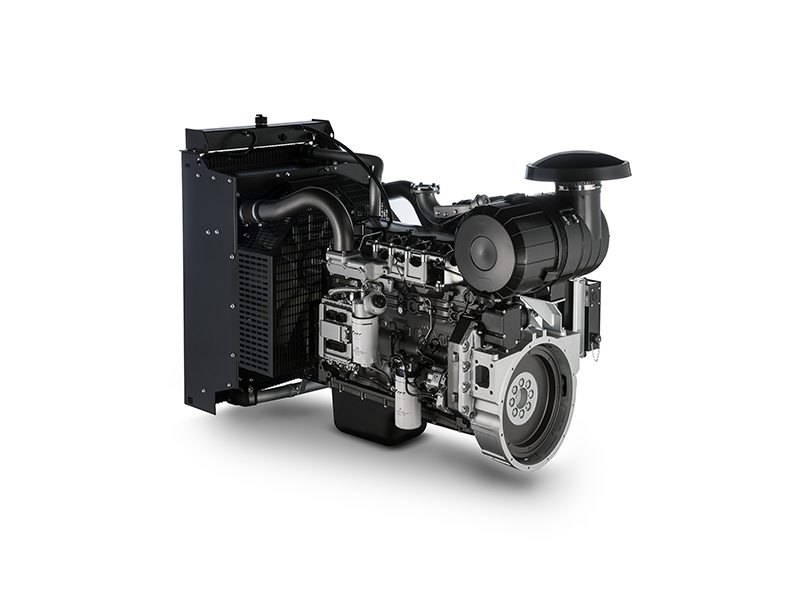
If you work with commercial vehicles, construction equipment, generators, or marine vessels, there’s a good chance you’ve come across the NEF engine family at some point. It’s one of the most widely used diesel engine platforms in its class, and understanding its specifications makes it much easier to source the right parts, plan maintenance, or simply understand what you’re working with under the hood.
What is the NEF engine family
NEF stands for “New Ecology and Fuel economy,” and it’s been in production since 2001, with more than two million units built across a huge range of applications: on-road trucks and buses, construction and earthmoving equipment, agricultural machinery, power generation, and marine vessels, both commercial and pleasure. That range is exactly what makes the platform worth understanding, since the same core engine architecture shows up in very different equipment depending on how it’s configured.
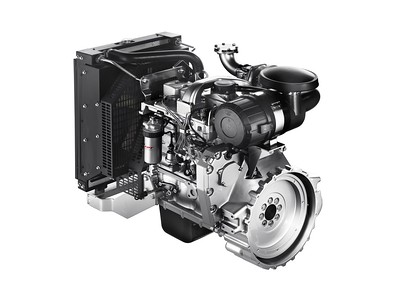
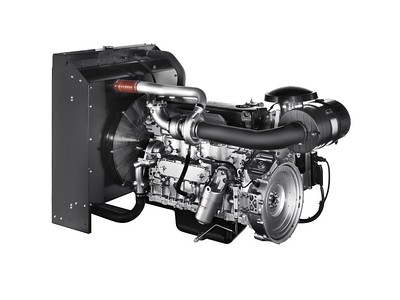
The iveco nef engine is built in two main cylinder configurations: a 4-cylinder version, generally referred to as the N45, and a 6-cylinder version, referred to as the N67. The number in each name roughly reflects the displacement in litres, which is the starting point for understanding the rest of the specifications.
Displacement range
Across the NEF family, displacement runs from around 4.0 to 6.7 litres, depending on configuration. The 4-cylinder N45 sits at the smaller end of that range, typically around 4.5 litres, while the 6-cylinder N67 sits at the top, at 6.7 litres. This displacement range is what allows the same engine family to cover everything from lighter-duty applications, like smaller generators or compact construction equipment, through to heavier-duty trucks, larger vessels, and demanding earthmoving machinery.
Power output range
Power output varies significantly depending on the application and configuration, which is one of the most important things to understand when identifying or sourcing parts for a specific engine. Industrial and off-road configurations typically fall in the lower-to-mid range, while marine versions of the fpt nef engine, tuned for either professional or pleasure use, can reach considerably higher outputs. Across the family as a whole, power output spans from roughly 63 kW up to just over 419 kW at the top end of the sportive-duty marine configurations, giving a sense of just how broad the application range really is. A given engine’s actual rated power depends heavily on its specific tune, aspiration, and duty cycle, so two engines with the same displacement can have meaningfully different outputs.
Torque range
Torque is where the NEF family’s design philosophy really shows. These engines are built to deliver strong torque at relatively low engine speeds, which matters a great deal for applications like construction equipment, towing, and marine propulsion, where responsive low-RPM pulling power is more valuable than high-RPM horsepower. Depending on configuration, torque output across the range extends up into the 1,100+ Nm territory for larger industrial 6.7-litre variants, with smaller 4.5-litre configurations sitting lower, in line with their reduced displacement. This torque-focused tuning is a large part of why the platform has remained popular across such a wide span of equipment types for more than two decades.
Why these specifications matter for parts sourcing
Because the NEF family spans such a wide range of displacements, power outputs, and torque figures across different applications, it’s not enough to identify a part by engine family alone. Two engines both described as “NEF” can have meaningfully different internal specifications depending on whether they’re configured for on-road, off-road, marine, or generator use. This is exactly why cross-referencing a part against the specific engine’s model number and configuration, rather than relying on the family name alone, is so important before placing an order. Getting the wrong variant can mean a part that looks correct on paper but doesn’t match the tolerances or fitment of the engine it’s going into.
Getting it right the first time
If you’re maintaining or sourcing parts for a NEF-family engine, the safest approach is always to confirm the exact model designation, whether that’s an N45 or N67 variant, along with the specific power and torque rating for your equipment, before ordering. That level of precision is what separates a straightforward repair from a repeat visit caused by a mismatched part. When in doubt, working with a distributor who can verify the specification against the manufacturer’s own data is the most reliable way to make sure what arrives matches what your engine actually needs.