Milky pool water can quickly turn a clean and inviting swimming pool into a cloudy, unattractive space. The water may look white, hazy, or dull instead of displaying the clear appearance homeowners expect from a properly maintained pool. This condition can result from several factors, including chemical imbalances, poor filtration, inadequate circulation, environmental debris, or excessive swimmer activity. Understanding the underlying cause is important because simply adding more chemicals may not solve the problem. A systematic approach can restore clarity while helping prevent the issue from returning.
What Is Milky Pool Water?
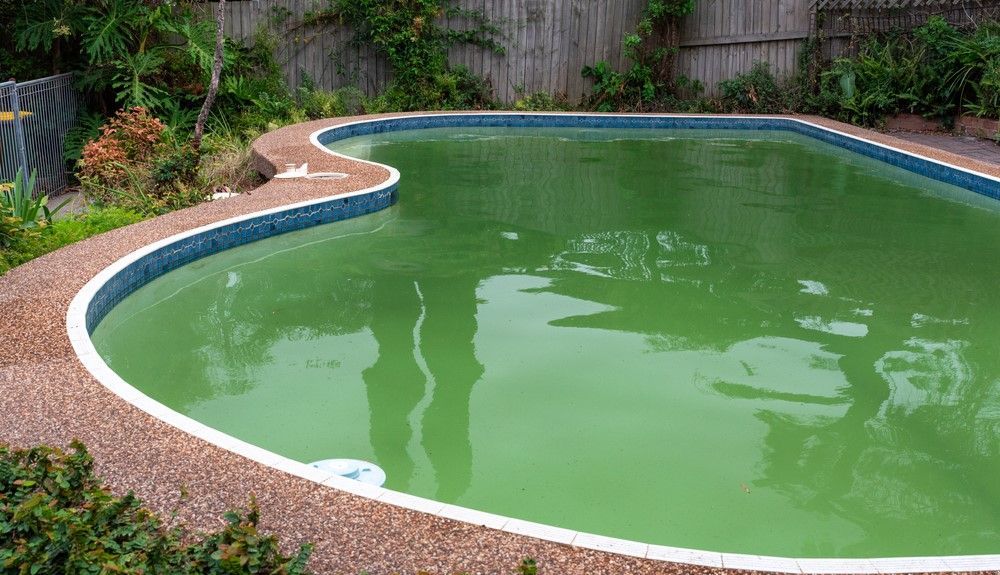
The appearance of the water can provide clues, but testing is necessary to determine what is actually happening. Milky pool water describes water that has developed a cloudy, whitish, or hazy appearance caused by suspended particles, chemical imbalances, minerals, contaminants, or sanitation problems. In some cases, the cloudiness is mild and disappears after proper filtration, while severe conditions may continue for days without corrective action. Pool owners should evaluate chemistry and equipment before deciding on a treatment. Taking the time to identify the cause can prevent unnecessary chemical use and wasted maintenance costs.
One common cause is an imbalance in pH and alkalinity. When water chemistry moves outside the recommended range, minerals can come out of solution and create tiny particles that remain suspended in the water. High calcium levels can also contribute to cloudy or whitish water, particularly when combined with elevated pH. Insufficient sanitizer creates another potential problem because organic contaminants and microorganisms can accumulate. Regular water testing provides useful information and allows homeowners to make informed adjustments instead of relying on guesswork.
Common Causes of Cloudy Pool Water
Filtration problems are another major reason pool water becomes cloudy. The filter is responsible for capturing many of the small particles that enter the water, but a dirty, damaged, or poorly maintained filter cannot perform effectively. A clogged filter may restrict circulation, while a filter that is not running long enough may leave contaminants suspended. Skimmer and pump baskets should also be checked because accumulated debris can interfere with water movement. Maintaining the entire circulation system is essential for keeping the pool consistently clear.
Environmental conditions can also contribute to milky pool water. Wind can carry dust, pollen, grass, leaves, and other fine particles into an uncovered pool. Heavy rain may introduce additional contaminants while simultaneously changing water chemistry. Frequent swimming adds sunscreen, body oils, cosmetics, sweat, and other organic materials that increase the workload placed on the filtration and sanitation systems. Understanding these everyday sources of contamination helps pool owners adjust their maintenance routine when conditions change.
How to Prevent Milky Pool Water
Prevention begins with a consistent maintenance routine rather than waiting until the water becomes visibly cloudy. Pool chemistry should be tested regularly, with particular attention to sanitizer, pH, alkalinity, and other measurements appropriate for the pool system. Filters should be cleaned according to their type and manufacturer’s recommendations, while skimmer baskets should be emptied frequently. Brushing and vacuuming remove contaminants before they can accumulate. These simple practices can significantly reduce the likelihood of persistent cloudiness.
Proper circulation is equally important because chemicals and filtered water need to move throughout the pool. Check that the pump operates correctly and that return jets provide adequate water flow. During periods of heavy use, hot weather, storms, or increased debris, the pool may require additional attention. Keeping the water moving and maintaining clean filtration equipment allows suspended particles to reach the filter more effectively. A consistent schedule is generally more effective than attempting to correct major problems after they develop.
Choosing Affordable Pool Maintenance
Many homeowners want affordable pool maintenance without sacrificing water quality or equipment care. The most economical approach is usually preventative maintenance because addressing small problems early can reduce the risk of expensive repairs later. Regular testing, filter cleaning, debris removal, brushing, and equipment inspections are relatively straightforward tasks that can protect the pool over time. A maintenance plan can also make recurring responsibilities easier to manage. The goal is not simply to spend less on individual visits but to control long-term maintenance costs.
When comparing pool maintenance options, homeowners should look beyond the advertised price. A low-cost service may not provide the level of cleaning, testing, or equipment attention needed to keep the pool in good condition. Ask what tasks are included, how frequently service is performed, and whether chemical testing and adjustments are part of the routine. A transparent maintenance plan makes it easier to understand what you are paying for. Choosing service based on overall value can provide better results than selecting an option based solely on the lowest price.
How to Clear Milky Pool Water
The first step in clearing cloudy water is to test the pool rather than immediately adding multiple products. Check the important chemical readings and compare them with the appropriate recommendations for your pool and sanitation system. If the chemistry is significantly unbalanced, make corrections carefully and according to product instructions. Next, inspect the filter, pump basket, skimmer basket, and return flow. Removing physical debris and improving circulation can help the filtration system begin removing suspended particles more efficiently.
If the water remains cloudy after correcting basic problems, the cause may require more detailed investigation. Fine particles sometimes need additional filtration time or an appropriate pool clarifying treatment to help the filter capture them. If algae or heavy organic contamination is suspected, a controlled sanitation treatment may be necessary. Homeowners should avoid mixing chemicals or using excessive quantities because improper chemical combinations can create additional hazards or damage pool surfaces and equipment. When the cause is unclear, professional water testing and equipment inspection can provide a safer and more reliable solution.
Why Regular Maintenance Protects Your Pool
Consistent maintenance does more than keep the water visually appealing. Balanced water chemistry helps protect pool surfaces, plumbing, heaters, pumps, filters, and other components from unnecessary stress. Poorly balanced water can contribute to scaling, corrosion, staining, and equipment problems over time. Keeping the filtration and circulation systems operating properly also reduces the amount of debris and contaminants that remain in the water. These preventative measures can help extend equipment life and reduce avoidable repair expenses.
A dependable maintenance routine is particularly valuable for busy homeowners who may not have time to test and clean their pool several times each week. Professional service can provide regular monitoring while helping identify unusual changes before they become major problems. Homeowners can still perform simple tasks between service visits, such as removing debris and checking water appearance. Combining routine homeowner care with professional maintenance when needed can provide a practical balance between convenience, water quality, and cost.
When Professional Pool Service Makes Sense
Some cloudy-water problems can be corrected through routine maintenance, but persistent milky pool water deserves closer attention. If the water remains cloudy despite proper chemistry and filtration, there may be an equipment issue, mineral imbalance, sanitation problem, or circulation deficiency. Repeated cloudiness is especially important because treating the visible symptom without addressing the underlying cause may lead to recurring problems. A qualified pool professional can evaluate the water and equipment together. This approach can save time and reduce the risk of unnecessary treatments.
Professional maintenance can also be helpful for homeowners who want predictable care throughout the swimming season. Experienced technicians can monitor water chemistry, clean filtration components, inspect circulation equipment, and identify developing problems. The value of affordable pool maintenance comes from maintaining the pool efficiently rather than simply reducing the number of services performed. A well-planned maintenance routine can help preserve water clarity, protect equipment, and minimize unexpected expenses. Consistent care ultimately makes pool ownership easier and more manageable.
Conclusion
Milky pool water is usually a sign that the pool needs attention in one or more areas, such as chemistry, filtration, circulation, or sanitation. Identifying the cause before adding treatments is the most reliable way to restore clear water without creating additional problems. Regular testing and equipment maintenance can prevent many common causes of cloudiness. Environmental conditions and heavy pool use should also be considered when adjusting a maintenance routine. With consistent care, homeowners can keep their pool cleaner, clearer, and more enjoyable.
Finding affordable pool maintenance does not necessarily mean choosing the cheapest available service. Instead, homeowners should look for a practical maintenance approach that provides consistent cleaning, proper water testing, equipment care, and preventative attention. Whether maintenance is handled personally or by a professional, regular care is the foundation of clear and healthy pool water. When cloudy conditions continue despite reasonable corrective steps, professional evaluation can help identify the root cause. Taking action early can protect the pool investment and reduce the likelihood of costly problems later.