Home improvement projects can transform an ordinary house into a more comfortable, functional, and attractive living space. Whether you are updating interior finishes, replacing flooring, improving walls, or refreshing rooms with a new coat of paint, careful planning can make a major difference. Choosing the right professionals, setting a realistic budget, and prioritizing quality can help homeowners achieve long-lasting results without unnecessary expenses. SVM NW Construction provides practical home improvement solutions focused on dependable workmanship and customer satisfaction.
When searching for a General Contractor in Arlington WA, homeowners should look beyond the initial price and consider experience, workmanship, communication, and the ability to handle different aspects of a project. A dependable contractor can help coordinate improvements, identify potential concerns, recommend practical solutions, and keep the work organized from preparation through completion. This approach can make home improvement projects easier to manage while helping homeowners get better value from their investment.
Why Choose a Professional Contractor for Home Improvements?
Home improvement can involve several different tasks, from surface preparation and drywall work to flooring, painting, and finish carpentry. Managing every detail independently can become time-consuming, particularly when multiple areas of a home need attention.
A professional approach helps bring these tasks together under one organized project. Experienced workmanship can also help reduce mistakes, improve finishing details, and create a more consistent appearance throughout the home.
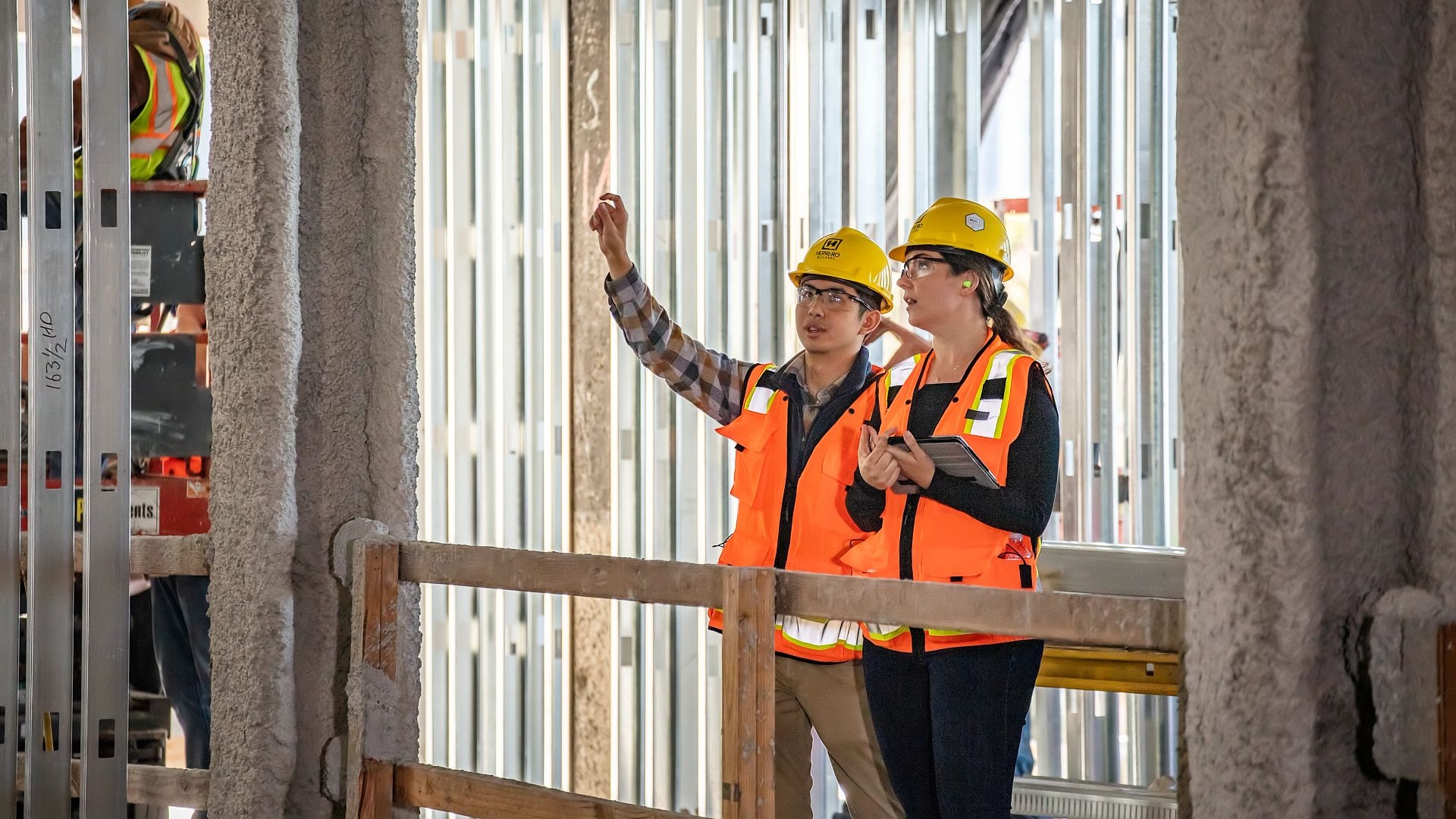
Common Home Improvement Services to Consider
Every home has different needs, so improvement projects should be customized according to the property’s condition and the homeowner’s goals.
Flooring Improvements
New flooring can immediately change the appearance of a room. Homeowners can choose from various materials and styles based on durability, maintenance requirements, room usage, and budget.
Before installation, the existing surface should be checked for uneven areas or damage. Proper preparation can help the finished flooring look better and perform reliably over time.
Drywall Installation and Repairs
Walls have a major influence on the overall appearance of an interior. Damaged, outdated, or poorly finished drywall can make a room look unfinished.
Professional drywall work involves accurate installation, appropriate finishing, and attention to seams and surfaces. Properly completed walls also create a better foundation for interior painting.
Interior Painting
Painting is one of the most cost-effective ways to refresh a home’s interior. A carefully selected color can make a space feel brighter, larger, warmer, or more modern.
Good preparation is essential. Cleaning surfaces, repairing imperfections, protecting surrounding areas, and applying appropriate coats can produce a cleaner and more durable finish.
Finish Carpentry
Small details can make a major difference in the appearance of a completed home improvement project. Finish carpentry may include trim, molding, and other detailed woodwork that provides a polished final appearance.
Accurate measurements and clean finishing are especially important when homeowners want a professional-looking result.
How to Plan a Successful Home Improvement Project
A clear plan can help control costs and avoid unnecessary delays. Before work begins, identify the areas that require improvement and determine which upgrades are most important.
Set Your Priorities
Not every improvement needs to happen at the same time. Start with repairs or upgrades that provide the greatest practical benefit. For example, damaged surfaces should generally be addressed before purely decorative changes.
Prioritizing projects allows homeowners to make meaningful improvements while keeping spending manageable.
Create a Realistic Budget
A good budget should include materials, labor, preparation, removal, and possible unexpected expenses. Leaving some financial flexibility can help cover minor issues discovered during the project.
Avoid choosing a contractor solely because of the lowest estimate. Extremely low pricing may not always provide the quality or scope of work needed.
Maximize Value Without Breaking the Bank
Home improvements do not have to become excessively expensive. Smart planning can help homeowners achieve attractive results while making responsible financial decisions.
Focus on High-Impact Areas
Concentrate your budget on rooms and features that are used frequently. Living rooms, kitchens, hallways, and other high-traffic areas can benefit greatly from flooring, painting, drywall, or finishing improvements.
Choose Durable Materials
Affordable materials can still provide excellent value when selected carefully. Consider durability, cleaning requirements, expected use, and long-term maintenance instead of focusing only on the initial purchase price.
A material that lasts longer may ultimately be more economical than a cheaper option that requires frequent replacement.
Avoid Unnecessary Changes
Keeping the existing layout can reduce the complexity of a renovation. If you can achieve your desired improvement without moving walls, changing room configurations, or modifying unrelated features, the project may remain more affordable.
Benefits of Working With an Experienced Professional
Hiring a qualified contractor can provide advantages beyond installation.
Better Project Coordination
When several improvements are needed, proper coordination can help keep the project organized. Flooring, drywall, painting, and finish work often depend on one another, so completing tasks in the correct order is important.
Attention to Detail
Professional workmanship focuses on the small details that influence the final appearance. Clean edges, accurate measurements, smooth surfaces, and consistent finishes can make a home improvement project look significantly more polished.
Efficient Problem Solving
Unexpected issues can arise during renovation work. An experienced professional can assess the situation and recommend practical solutions rather than allowing a small problem to become a larger expense.
Questions to Ask Before Starting
Before hiring a contractor, homeowners should understand what the project includes and how the work will be handled.
What Is Included in the Estimate?
Ask whether the estimate covers labor, materials, preparation, removal, cleanup, and other necessary tasks. A clear scope of work makes it easier to compare proposals.
How Will the Project Be Scheduled?
Discuss expected start and completion dates. Understanding the sequence of work can help you prepare your household and minimize disruption.
What Materials Are Recommended?
Ask why specific materials are being suggested. Recommendations should be based on the room’s purpose, durability requirements, maintenance needs, and available budget.
Preparing Your Home for Improvement Work
Homeowners can help the process move smoothly by preparing the work area before installation begins. Remove personal belongings and smaller furniture where possible, and discuss larger items with the contractor beforehand.
Keep children and pets away from active work zones. Protect valuables and provide clear access to the areas being renovated. Good preparation can reduce interruptions and help workers focus on the project.
Maintaining Your Improved Home
Once improvements are completed, regular maintenance can help protect your investment. Clean flooring according to the manufacturer’s recommendations, address wall damage promptly, and keep painted surfaces free from excessive dirt and moisture.
Inspect trim and other finished areas periodically. Taking care of small maintenance issues early can help prevent them from developing into more expensive repairs.
Making Smart Home Improvement Decisions
A successful improvement project should combine functionality, appearance, durability, and affordability. Instead of trying to complete every possible upgrade at once, homeowners can develop a phased approach.
Start with essential repairs, continue with high-impact improvements, and complete additional upgrades as time and budget allow. This strategy can make major improvements feel more manageable while reducing financial pressure.
Professional guidance can also help homeowners determine which projects should be completed first and which materials provide the best long-term value.
Final Thoughts
Complete home improvements require thoughtful planning, reliable workmanship, and attention to both immediate needs and long-term value. By prioritizing important upgrades, selecting practical materials, and working with experienced professionals, homeowners can create spaces that are comfortable, attractive, and built to last. SVM NW Construction is committed to helping Arlington homeowners achieve dependable home improvement results with quality-focused services and practical solutions.