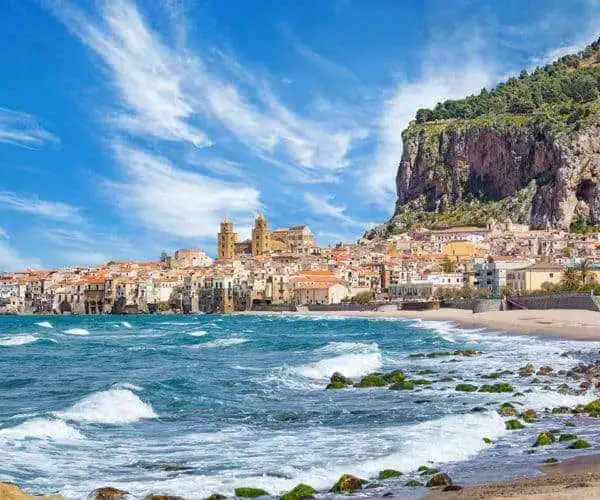
There’s a moment that happens to almost everyone who visits Sicily for the first time. You’re standing somewhere, maybe on the steps of a Greek theater with Mount Etna smoking quietly in the distance, maybe in a Palermo market with someone shouting the price of swordfish two feet from your ear, and you realize this island doesn’t feel like anywhere else in Italy. It isn’t supposed to. Sicily has been conquered, settled, and shaped by Greeks, Romans, Arabs, Normans, and Spanish rulers over roughly three thousand years, and every one of them left something behind. That layered history is exactly why tours to Sicily have become so popular with travelers who want more than a beach photo; they want to actually understand the place they’re standing in.
This guide walks through what makes Sicily worth the trip, how to plan around its regions and seasons, and what to expect from a well-run tour versus winging it alone.
Why Sicily Deserves More Than a Quick Stop
Sicily is the largest island in the Mediterranean, and it’s easy to underestimate how much ground that covers. Many first-time visitors try to see Palermo, Taormina, and Agrigento in four days and end up spending most of their trip in a rental car, exhausted, instead of actually experiencing anything. The island rewards a slower pace. Its cities each carry a distinct personality: Palermo is loud, chaotic, and full of Arab-Norman architecture found nowhere else in Europe; Syracuse feels like an open-air museum of Greek antiquity; Catania sits in the shadow of an active volcano and has the scorched black stone to prove it; and small hill towns like Ragusa and Modica hide baroque churches and chocolate traditions dating back centuries.
Add to that the fact that Sicilian cuisine is its own distinct tradition within Italian cooking, shaped heavily by Arab influence, with couscous, citrus, pistachios, and seafood playing roles you won’t find further north and the wine regions around Etna and Marsala, and it becomes clear why a proper tour, rather than a rushed itinerary, is the better way to see it.
What a Sicily Tour Actually Covers
Tours to Sicily generally fall into a few categories, and knowing the differences helps you choose the right one for how you actually like to travel.
Small-group guided tours move through the island with a set itinerary, a knowledgeable local guide, and pre-arranged transport and accommodation. These work well for travelers who want the history explained properly. Sicily’s ruins and churches are far more interesting with context than without it, and they’d rather not deal with logistics like parking in Palermo’s old town, which is genuinely stressful even for confident drivers.
Private and tailor-made tours give you the same expert planning but shaped around your own pace, interests, and travel dates. This is where a specialist operator earns its keep, because Sicily isn’t a place where a generic itinerary fits everyone. Someone chasing archaeology wants extra time in the Valley of the Temples; someone chasing food wants a cooking class in a Modica kitchen and a slower crawl through Ortigia’s market.
Self-guided tours provide the route, bookings, and recommendations, but you drive yourself between stops. These suit travelers who want structure without a group, though Sicilian roads and driving customs can catch out anyone unfamiliar with them.
A well-planned trip usually threads together several regions rather than staying in one spot: the Baroque towns of the southeast, the Greek and Roman sites around Agrigento and Syracuse, the Arab-Norman heart of Palermo, and the volcanic drama of Etna and the eastern coast near Taormina.
Best Time to Go
Late spring (April through June) and early autumn (September and October) are widely considered the best windows for touring Sicily. The heat is manageable, the countryside is either flowering or turning gold with harvest, and the major sites are noticeably less crowded than in July and August, when temperatures regularly climb past 35°C and coastal towns fill with domestic Italian tourists on summer holiday. Winter is mild by northern European standards and can be a good time for food- and culture-focused trips, though some smaller coastal businesses close for the season.
Getting Around and Why Local Planning Matters
Sicily’s geography is deceptive; on a map, distances that look short can take hours because of mountain roads and coastal switchbacks. Public transport connects the major cities but thins out quickly once you head into the interior or the smaller hill towns, which is where a lot of the island’s character actually lives. This is the practical argument for booking through an operator that knows the island rather than assembling a route from search results: knowing which roads to avoid at which times of day, which sites need an early arrival to beat both heat and tour buses, and which family-run trattoria is worth a detour is the difference between a good trip and a great one.
Planning tours to Sicily is easier with a personalized itinerary that combines historic sites, charming towns, local food, wine, and beautiful landscapes. Classic Sicily helps travelers enjoy authentic experiences, local guides, and flexible itineraries tailored to their interests.
Planning Your Own Route
If you’re building an itinerary rather than booking a set tour, here’s a rough shape that works well for a 10- to 12-day trip:
- Palermo (2-3 days): Arab-Norman monuments, the Capo and Ballarò markets, and a day trip to Monreale’s cathedral.
- Agrigento (1-2 days): The Valley of the Temples, best visited early morning or at sunset.
- Southeast Baroque towns (2 days): Ragusa, Modica, and Noto for architecture and chocolate.
- Syracuse (2 days): Ortigia’s old town and the archaeological park.
- Etna and Taormina (2-3 days): Volcano excursions, coastal views, and Greek theater ruins.
Shorter trips should pick one or two regions rather than trying to circle the whole island Sicily punishes rushed itineraries more than most destinations.
Frequently Asked Questions
How many days do you need for a Sicily tour?
Ten to twelve days lets you cover the island’s main regions without constant rushing. A week is workable if you focus on two or three areas, such as Palermo and the west or Taormina and the east.
Is Sicily easy to travel around without a car?
Trains and buses connect the major cities well enough, but a car (or a driver-guide) opens up the hill towns, rural wineries, and archaeological sites that don’t have direct public transport.
What’s the best time of year for a Sicily tour?
April to June and September to October offer warm weather without the peak-summer heat and crowds. July and August are hot and busy; winter is quieter and mild, but some smaller towns scale back tourist services.
Do I need a guide to visit Sicily’s ancient sites?
You don’t need one, but the Valley of the Temples, Syracuse’s archaeological park, and Palermo’s Arab-Norman monuments carry far more meaning with someone who can explain the layered history behind them.
Are tours to Sicily good value compared to independent travel?
A well-run tour often saves money in practice, since it avoids the parking issues, missed connections, and trial-and-error restaurant choices that eat into an independent traveler’s time and budget, while also including expert access that’s hard to arrange solo.
What makes Sicily different from mainland Italy?
Sicily’s history includes centuries of Arab and Norman rule alongside Greek and Roman periods that shaped mainland Italy too, giving the island a distinct architecture, cuisine, and dialect that feels closer to a crossroads of Mediterranean cultures than a simple extension of Italy.
Planning Your Trip
Sicily isn’t a place to see in a rush, and it isn’t a place best figured out from scratch either. Whether you’re drawn by the ancient ruins, the volcano, the food, or simply the feeling of standing somewhere with three thousand years of layered history under your feet, the right itinerary makes all the difference between checking off sights and actually understanding the island.
If you’re ready to start planning, request a tailor-made quote here and get an itinerary built around how you actually want to experience Sicily.