You order a jumper that looks perfect in the photo. Ten days later it arrives, and it’s either swimming on your dog or won’t fit past his shoulders. The colour is a shade off from the listing. And now you’re stuck figuring out how to send it back before the returns window closes.
If that sounds familiar, you’re not alone. Buying clothes for dogs and cats online is one of the most quietly frustrating categories of pet shopping, and it’s rarely the pet owner’s fault. It’s usually the result of vague sizing charts, product photography that flatters more than it informs, and returns processes that seem designed to discourage you from bothering. Here’s why it keeps happening, and what a pet clothing store actually needs to get right to fix it.
The Sizing Guesswork Problem
Sizing is the single biggest source of frustration in online pet fashion, and it’s not really the customer’s fault. Unlike human clothing, there’s no universal size standard across pet brands, a “medium” from one dog brand clothing label can be a “small” from another, and neither necessarily matches your dog’s actual measurements.
Most of the guesswork comes down to three recurring issues:
- Breed-based sizing instead of measurement-based sizing. A chart that says “suitable for Beagles” tells you nothing if your dog is a mixed breed or simply larger or smaller than average for their type.
- Missing or inconsistent measurement points. Some listings give chest girth only; others give length only. Without both, plus neck size for anything with a collar opening, you’re filling in the gaps with a guess.
- No distinction for small breeds. Small dog accessories and clothes are especially prone to this, a size chart built around medium and large dogs, then simply scaled down, rarely accounts for the different body proportions of toy and small breeds.
The fix isn’t complicated, it’s just rarely done properly: clear, measurement-based size charts with photos showing exactly where to measure, breed-specific notes where genuinely useful, and sizing that’s been checked against real dogs rather than assumed from a pattern.
When the Photos Don’t Match What Arrives
The second most common complaint, and arguably the most avoidable, is a product that looks nothing like its listing photo once it’s out of the packaging. This usually comes down to a few things: heavy photo editing that shifts colour tone, styling on a mannequin or a much larger dog to make a garment look more flattering than it fits in reality, or stock photos supplied by a manufacturer that don’t match the batch you actually receive.
For performance fashion for dogs in particular, this matters even more than it does for a novelty t-shirt. A “waterproof” coat photographed glossy and taut in the rain needs to actually perform that way once it’s on your dog on a wet Tuesday walk, not just look the part in a studio shot.
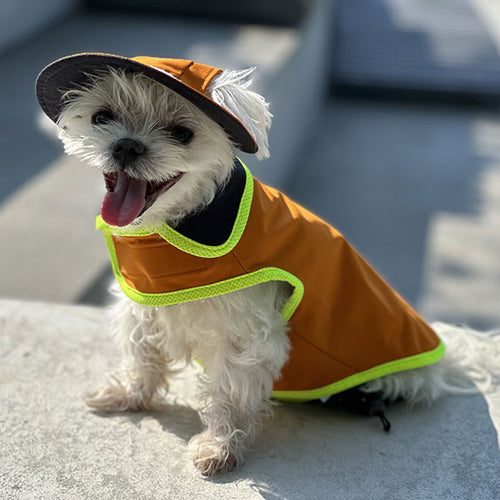
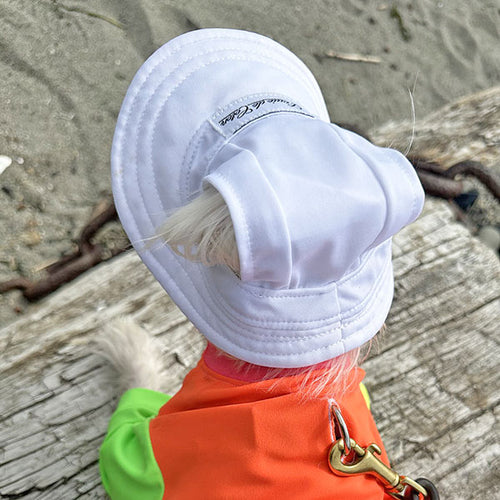
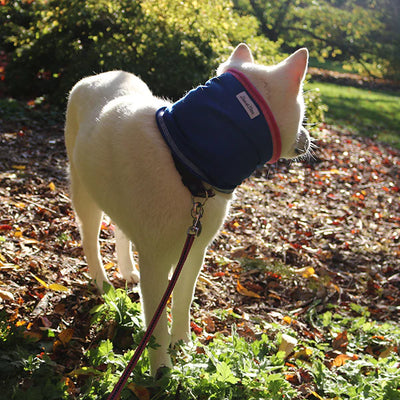
A pet clothing store that wants to earn repeat business needs to close that gap: real photos of the actual product, ideally on a dog rather than a mannequin, shown in different lighting, with honest colour representation and, where it matters, photos of the item actually being worn during normal activity rather than posed.
Returns That Feel Like a Punishment
Even when sizing goes wrong through no fault of the buyer, the returns process often makes it worse. Restocking fees, no free return label, a narrow return window, or a policy that only allows exchanges rather than refunds, all of these turn a simple sizing mistake into a genuine hassle, and it’s the single biggest reason pet owners stop buying from a store after one bad experience.
A returns policy that actually respects the customer looks like this:
- A clear, generous return window – long enough to actually try the item on your pet, not just glance at it out of the packaging
- Free or low-cost return shipping – especially on anything above a modest order value
- A straightforward exchange path – so a sizing mistake becomes a quick swap rather than a full refund-and-reorder cycle
- No penalty for trying something on – provided tags are intact and the item hasn’t been worn outdoors
None of this is complicated to offer. It’s simply a decision a store has to make about how much friction it’s willing to put between a mistake and a fix.
What Buying Dog Brand Clothing Online Should Actually Feel Like
None of these problems are unsolvable, they’re just commonly ignored. A pet clothing store that gets it right treats sizing, photography and returns as core parts of the shopping experience, not afterthoughts bolted onto a product listing. That means:
- Measurement-based size guides checked against real dogs, not assumptions
- Honest, unedited photography showing the product as it actually looks and fits
- A returns and exchange policy that assumes good faith rather than treating every return as a loss to prevent
- Clear material and care information up front, so there are no surprises after the first wash
When those pieces are in place, buying clothes for dogs and cats online stops being a guessing game and starts working the way it should, you order with confidence, it arrives looking and fitting the way it was described, and if something’s off, fixing it doesn’t cost you time, money or patience.
The Bottom Line
The frustration people feel shopping for pet clothes online almost always comes down to the same three things: not knowing if it will fit, not knowing if it will look the way it’s pictured, and not trusting that a mistake can be fixed easily. Solve those three, and the rest of the shopping experience takes care of itself.