Electric motors are the backbone of modern industrial operations, powering machinery across manufacturing, infrastructure, utilities, and commercial facilities. However, motors are constantly exposed to electrical faults, overloads, voltage fluctuations, and environmental conditions that can reduce their lifespan or cause unexpected failures. To ensure reliable operation and minimize downtime, industries rely on advanced protection systems such as the digital motor protection relay. When used alongside an effective earth fault relay, these devices provide comprehensive motor protection, improve workplace safety, and enhance the overall reliability of electrical systems.
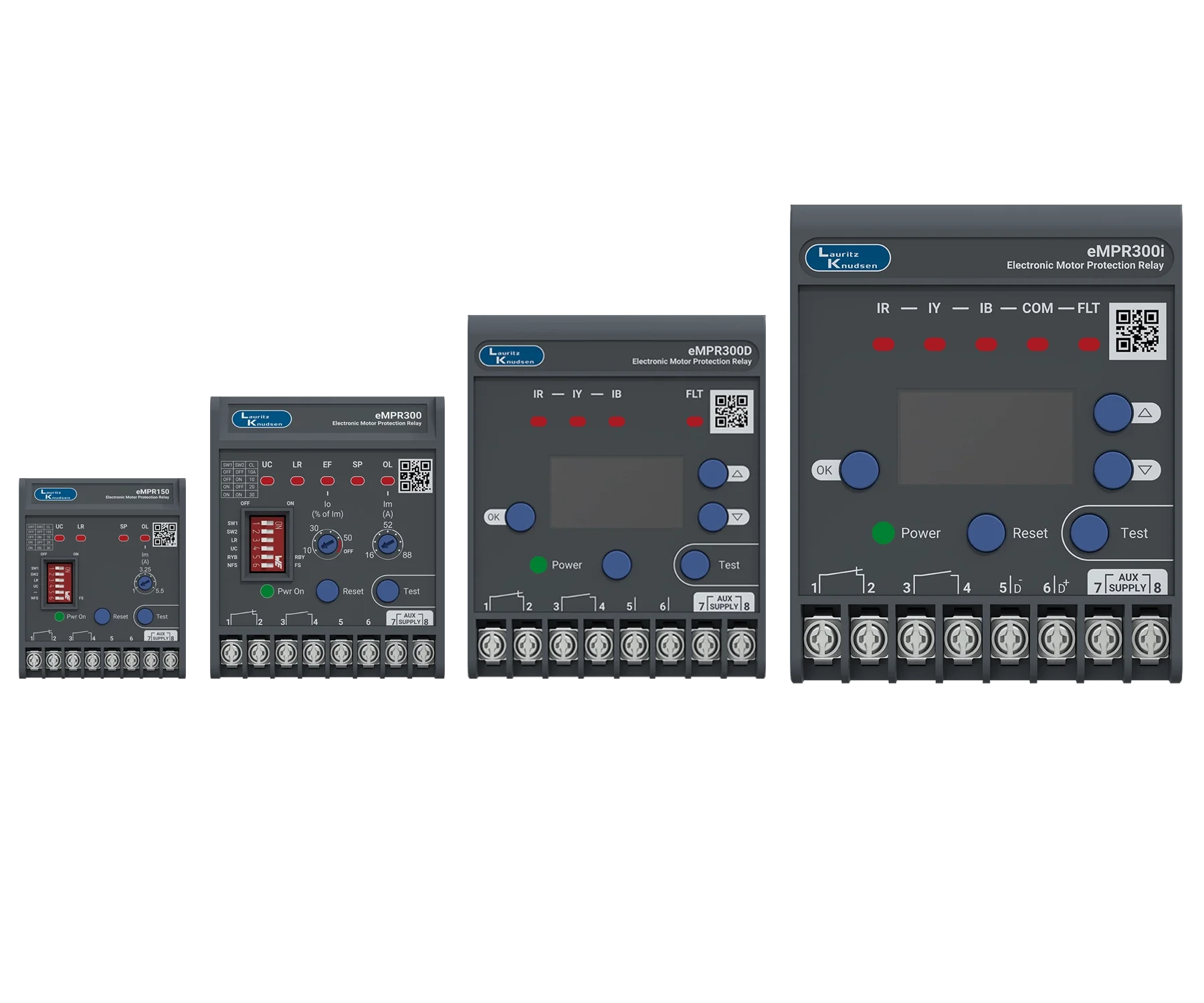
What Is a Digital Motor Protection Relay?
A digital motor protection relay is an intelligent electronic device designed to monitor, protect, and control electric motors. Unlike conventional electromechanical relays, digital relays continuously analyze multiple electrical parameters and respond quickly when abnormal operating conditions occur.
These relays protect motors against:
- Overloads
- Short circuits
- Phase loss
- Phase imbalance
- Locked rotor conditions
- Under-voltage
- Over-voltage
- Excessive current
By detecting problems early, digital motor protection relays help prevent costly motor failures and production interruptions.
How Digital Motor Protection Relays Work
Digital relays continuously monitor electrical signals using built-in microprocessors and sensors.
The working process typically includes the following steps:
- Continuous Monitoring
The relay measures electrical parameters such as current, voltage, frequency, and phase conditions in real time.
- Fault Detection
If operating conditions exceed preset limits, the relay immediately recognizes the abnormality.
- Data Processing
The internal processor evaluates the fault and determines the appropriate response based on programmed protection settings.
- Protective Action
The relay sends a signal to disconnect the motor through the associated circuit breaker or contactor before damage occurs.
This automated process provides faster and more accurate protection than traditional systems.
Why Motor Protection Is Essential
Electric motors represent a significant investment for industrial facilities. Unexpected failures can result in expensive repairs, production losses, and safety risks.
Proper motor protection helps businesses:
- Reduce equipment downtime
- Extend motor lifespan
- Improve operational reliability
- Lower maintenance costs
- Enhance worker safety
- Improve production efficiency
Reliable protection systems ensure motors continue operating safely under demanding industrial conditions.
The Role of Earth Fault Relays
Ground faults are among the most dangerous electrical faults in industrial installations. They occur when electrical current unintentionally flows to the earth because of damaged insulation, moisture, or equipment failure.
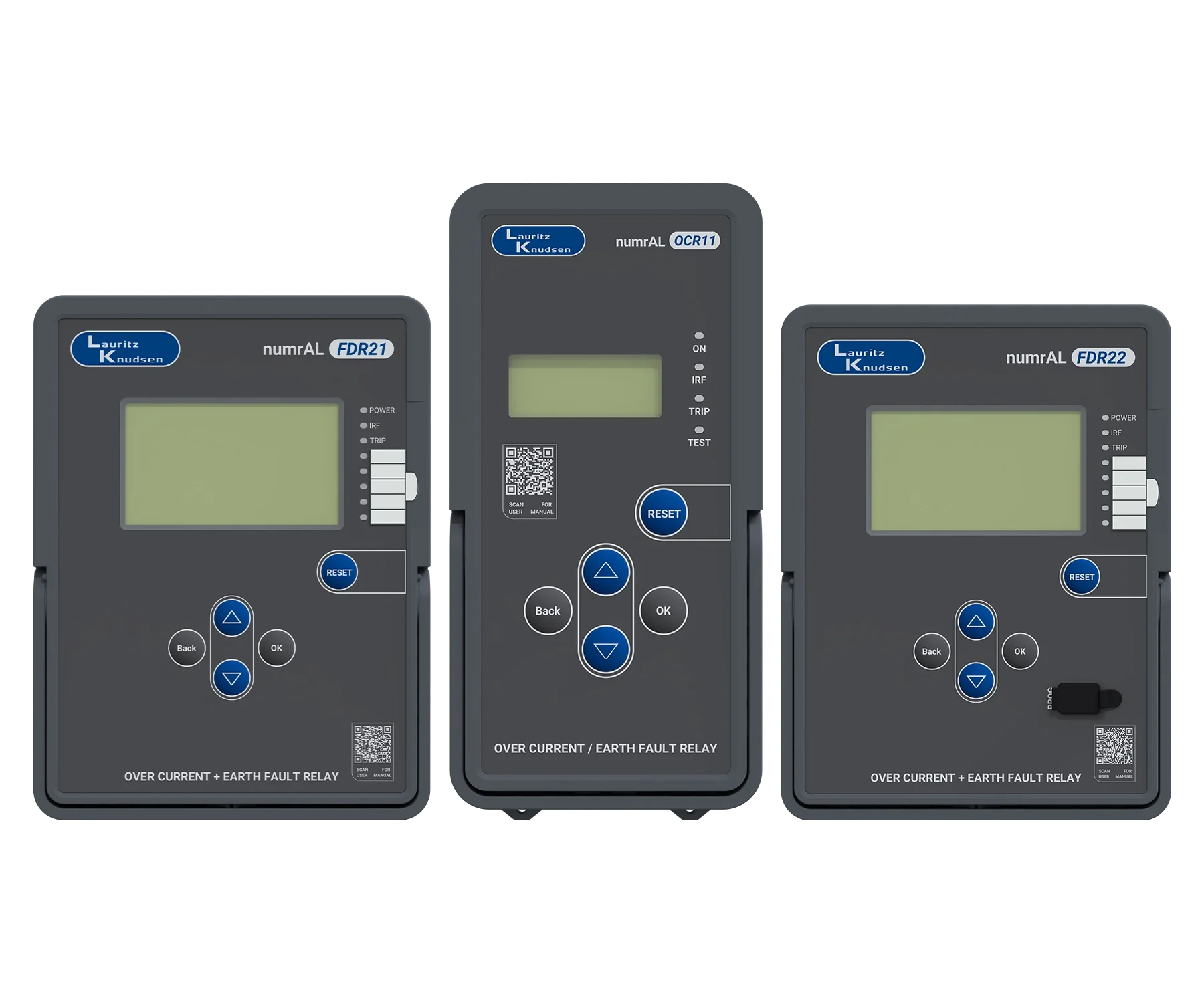
An earth fault relay continuously monitors the electrical system for these leakage currents.
When a fault is detected, the relay immediately initiates a trip command, disconnecting the affected circuit before severe damage or injury occurs.
Earth fault protection is especially important in facilities operating high-power motors and sensitive electrical equipment.
Benefits of Digital Motor Protection Relays
Modern digital motor protection relay systems offer numerous advantages over traditional protection methods.
- Improved Accuracy
Digital technology provides highly precise fault detection and minimizes nuisance tripping.
- Faster Response
Rapid fault detection reduces the likelihood of severe motor damage.
- Comprehensive Protection
A single relay can monitor multiple electrical conditions simultaneously.
- Real-Time Monitoring
Operators receive continuous information about motor performance and operating conditions.
- Reduced Maintenance
Advanced diagnostics simplify troubleshooting and help maintenance teams resolve issues more efficiently.
Benefits of Earth Fault Protection
Integrating an earth fault relay into motor protection systems provides several additional safety benefits.
- Enhanced Personnel Safety
Ground fault detection significantly reduces the risk of electric shock.
- Fire Prevention
Early detection prevents overheating caused by leakage currents, reducing fire hazards.
- Equipment Protection
Sensitive electrical equipment remains protected from insulation failures and fault currents.
- Regulatory Compliance
Earth fault protection supports compliance with modern industrial electrical safety standards.
Key Industrial Applications
Digital motor protection relays are widely used across multiple industries where uninterrupted motor operation is critical.
- Manufacturing
Production lines depend on continuous motor operation for efficient manufacturing processes.
- Water and Wastewater Plants
Motors operating pumps and treatment systems require reliable protection against overloads and electrical faults.
- Mining Operations
Heavy-duty motors powering conveyors, crushers, and drilling equipment operate in demanding environments where protection is essential.
- HVAC Systems
Heating, ventilation, and air conditioning systems rely on motor protection to maintain efficient building operations.
- Oil and Gas
Motors operating compressors, pumps, and processing equipment require advanced protection to ensure operational safety.
Features to Look for in Modern Protection Relays
When selecting a motor protection solution, businesses should evaluate several important features.
These include:
- Digital display and diagnostics
- Adjustable protection settings
- Event and fault recording
- Communication capabilities
- Remote monitoring support
- Thermal overload protection
- Phase failure detection
- Easy integration with automation systems
These features improve both operational efficiency and maintenance planning.
Best Practices for Installation and Maintenance
Proper installation and routine maintenance maximize relay performance and system reliability.
Recommended practices include:
- Test protection settings regularly.
- Verify wiring connections.
- Perform periodic relay calibration.
- Inspect motors for insulation damage.
- Monitor operating temperatures.
- Review fault logs for recurring issues.
- Replace damaged components promptly.
Preventive maintenance helps avoid unexpected equipment failures and extends motor life.
Future Trends in Motor Protection
Industrial electrical systems continue to evolve with digital technologies.
Future developments include:
- IoT Connectivity
Smart relays will provide remote access to performance data and fault diagnostics.
- Predictive Maintenance
Artificial intelligence will analyze equipment data to predict failures before they occur.
- Cloud-Based Monitoring
Centralized monitoring platforms will improve maintenance planning across multiple facilities.
- Greater Automation
Protection systems will integrate more closely with industrial automation and energy management platforms.
These innovations will further improve equipment reliability while reducing operational costs.
Why Investing in Advanced Motor Protection Matters
Modern industries depend on continuous production and reliable equipment performance. Investing in intelligent motor protection reduces operational risks while supporting long-term business growth.
Organizations benefit from:
- Improved productivity
- Lower maintenance costs
- Reduced downtime
- Better energy efficiency
- Enhanced workplace safety
- Longer equipment lifespan
- Increased operational reliability
Advanced protection systems provide long-term value by safeguarding both equipment and personnel.
Conclusion
Protecting electric motors is essential for ensuring safe, efficient, and uninterrupted industrial operations. A digital motor protection relay provides intelligent monitoring and rapid response to electrical faults, helping extend motor life and minimize downtime. When combined with a reliable earth fault relay, it offers comprehensive protection against ground faults, equipment damage, and workplace hazards.
Lauritz Knudsen Electrical & Automation continues to power India’s electrical future with more than 70 years of expertise, a manufacturing footprint of 2.1 million sq. ft., and innovative solutions that serve residential, commercial, infrastructure, agricultural, and industrial sectors while setting new standards for quality, safety, and performance.