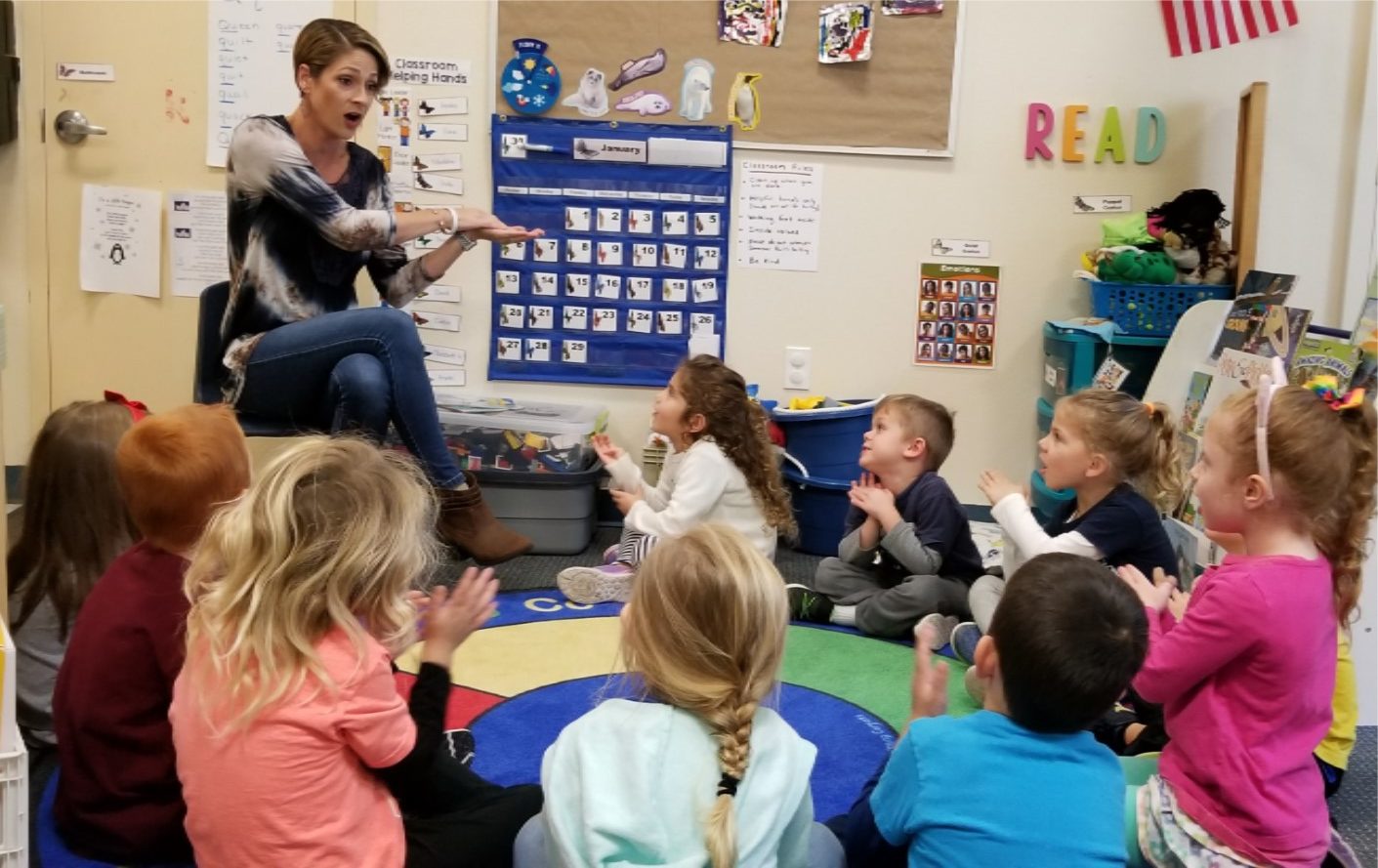
A child’s early years play a major role in shaping future learning and development. Parents often look for programs that help children build confidence, curiosity, and foundational abilities before kindergarten begins. A well-designed preschool experience provides opportunities for growth in many areas, and choosing a quality VPK in Davie program can help children strengthen important life and learning skills while preparing them for long-term academic success.
Building Strong Communication Skills
Communication is one of the first and most important skills children develop during preschool. A quality VPK program encourages children to express their thoughts, ask questions, and participate in conversations with teachers and classmates.
Daily interactions help children expand their vocabulary and learn how to communicate clearly. Storytime, group discussions, and classroom activities create opportunities to practice speaking and listening. These experiences support language development and help children become more comfortable sharing ideas in different settings.
Developing Social Skills Through Daily Interaction
Learning how to interact with others is an essential part of early childhood education. Children who attend a quality VPK program spend time working, playing, and learning alongside peers from different backgrounds.
They learn how to take turns, cooperate during group activities, and respect the opinions of others. As children engage in social situations, they begin to understand empathy and develop stronger relationships. These skills can support positive interactions throughout their school years and beyond.
Improving Emotional Awareness and Self-Regulation
Young children experience many emotions but often need guidance to understand and manage them. A structured preschool environment provides support as children learn to recognize feelings and respond appropriately.
Teachers help children identify emotions, solve conflicts peacefully, and develop healthy coping strategies. Over time, children become better at handling frustration, disappointment, and excitement. Emotional regulation contributes to a more positive learning experience and helps children adapt to new situations with greater confidence.
Strengthening Early Literacy Skills
Literacy development begins long before children learn to read independently. A quality VPK classroom introduces children to books, letters, sounds, and storytelling through engaging activities.
Children learn to recognize alphabet letters, understand basic phonics concepts, and develop listening comprehension. Reading aloud and interactive literacy exercises encourage a love for books while building important pre-reading skills. These early experiences create a strong foundation for future academic achievement.
Activities That Support Literacy Growth
Many preschool classrooms use a variety of methods to encourage literacy development, including:
- Daily story reading sessions
- Letter recognition games
- Rhyming activities
- Singing songs with language patterns
- Picture-based storytelling exercises
These activities help children develop familiarity with language in enjoyable and meaningful ways.
Enhancing Early Math Understanding
Mathematics is introduced naturally in a quality VPK setting. Children learn basic concepts through hands-on activities that make learning enjoyable and easy to understand.
Counting objects, identifying shapes, comparing sizes, and recognizing patterns help children build foundational math skills. Teachers often integrate math into everyday classroom experiences, making concepts more relatable. This approach helps children develop confidence in problem-solving and logical thinking.
Encouraging Critical Thinking Skills
Children are naturally curious and eager to explore the world around them. A quality preschool environment encourages that curiosity by providing opportunities to investigate, ask questions, and discover solutions.
Activities that involve sorting, building, experimenting, and problem-solving help children develop critical thinking skills. Instead of simply providing answers, teachers often guide children through the process of finding solutions on their own. This approach supports independent thinking and encourages lifelong learning habits.
Building Independence and Responsibility
One important goal of a quality VPK program is helping children become more independent. Small daily tasks allow children to practice making decisions and taking responsibility for their actions.
Children learn how to manage personal belongings, follow classroom routines, and complete age-appropriate tasks without constant assistance. These experiences help build confidence and prepare children for the expectations they will encounter in kindergarten and elementary school.
Developing Fine Motor Skills
Fine motor skills involve the small muscle movements needed for tasks such as writing, drawing, and using classroom tools. Preschool activities provide many opportunities for children to strengthen these abilities.
Children participate in activities like cutting paper, coloring, tracing letters, and building with blocks. These exercises improve hand-eye coordination and finger strength. As a result, children become better prepared for writing and other academic tasks that require precision and control.
Everyday Classroom Activities That Build Fine Motor Skills
Teachers often include hands-on projects that support physical development. Activities may include arts and crafts, puzzles, threading beads, and manipulating small objects.
Consistent practice allows children to gain confidence while improving coordination. These skills continue to benefit them throughout their educational journey.
Improving Gross Motor Development
Physical activity remains an important part of early childhood education. A quality VPK program includes opportunities for movement that support overall health and physical growth.
Outdoor play, obstacle courses, dancing, and structured games help children improve balance, coordination, and strength. Regular movement also supports concentration and can improve classroom engagement. Children who stay active often feel more confident participating in group activities.
Encouraging Creativity and Imagination
Creative expression helps children explore ideas and develop confidence in their abilities. Preschool classrooms often provide open-ended activities that encourage imagination and self-expression.
Art projects, dramatic play, music, and storytelling give children opportunities to think creatively. These experiences help children learn how to express emotions, solve problems in new ways, and develop original ideas. Creativity also supports cognitive development and contributes to a well-rounded educational experience.
Learning the Importance of Following Directions
Classroom success often depends on a child’s ability to listen and follow instructions. A quality VPK environment provides consistent opportunities to practice these important skills.
Children learn how to follow multi-step directions, complete tasks, and participate in structured activities. These experiences improve attention span and help children understand expectations. Strong listening skills can make the transition to kindergarten smoother and less stressful.
Developing Positive Learning Habits
Academic success depends on more than knowledge alone. Children benefit greatly from learning habits that support ongoing growth and achievement.
A quality preschool program teaches children how to focus on tasks, complete activities, and remain engaged during lessons. They learn the value of persistence and develop confidence when facing new challenges. These habits often contribute to stronger academic performance in later grades.
Building Confidence Through Achievement
Children gain confidence when they successfully complete tasks and overcome challenges. Preschool provides many opportunities for children to experience achievement in a supportive environment.
Teachers celebrate progress and encourage children to try new activities. Positive reinforcement helps children believe in their abilities and motivates them to continue learning. Confidence gained during early childhood can influence future academic and social success.
Preparing for Kindergarten Success
One of the primary goals of a quality VPK program is ensuring children are ready for kindergarten. Preparation involves much more than learning letters and numbers.
Children enter kindergarten with stronger communication skills, social awareness, emotional regulation, and academic readiness. They understand classroom routines and feel more comfortable interacting with teachers and peers. This preparation can reduce anxiety and support a smoother transition into elementary school.
Supporting Long-Term Development
The benefits of a strong preschool experience often extend far beyond kindergarten. Skills developed during early childhood continue to support academic, social, and personal growth throughout a child’s life.
Children who participate in a high-quality VPK program often demonstrate stronger learning habits, improved communication abilities, and greater confidence. These advantages help create a solid foundation for future educational success and personal development.
Conclusion
A quality VPK program provides far more than early academic instruction. It helps children develop communication, social, emotional, physical, and cognitive skills that support lifelong learning. Through structured activities, meaningful interactions, and guided exploration, children gain confidence and independence while building essential school-readiness skills. Parents who choose a strong VPK program give their children valuable opportunities to grow in a supportive environment. These early experiences create a foundation that can positively influence academic achievement, personal development, and future success for many years to come.